How Salon Owners Can Stop Losing Customers Through Manual Booking 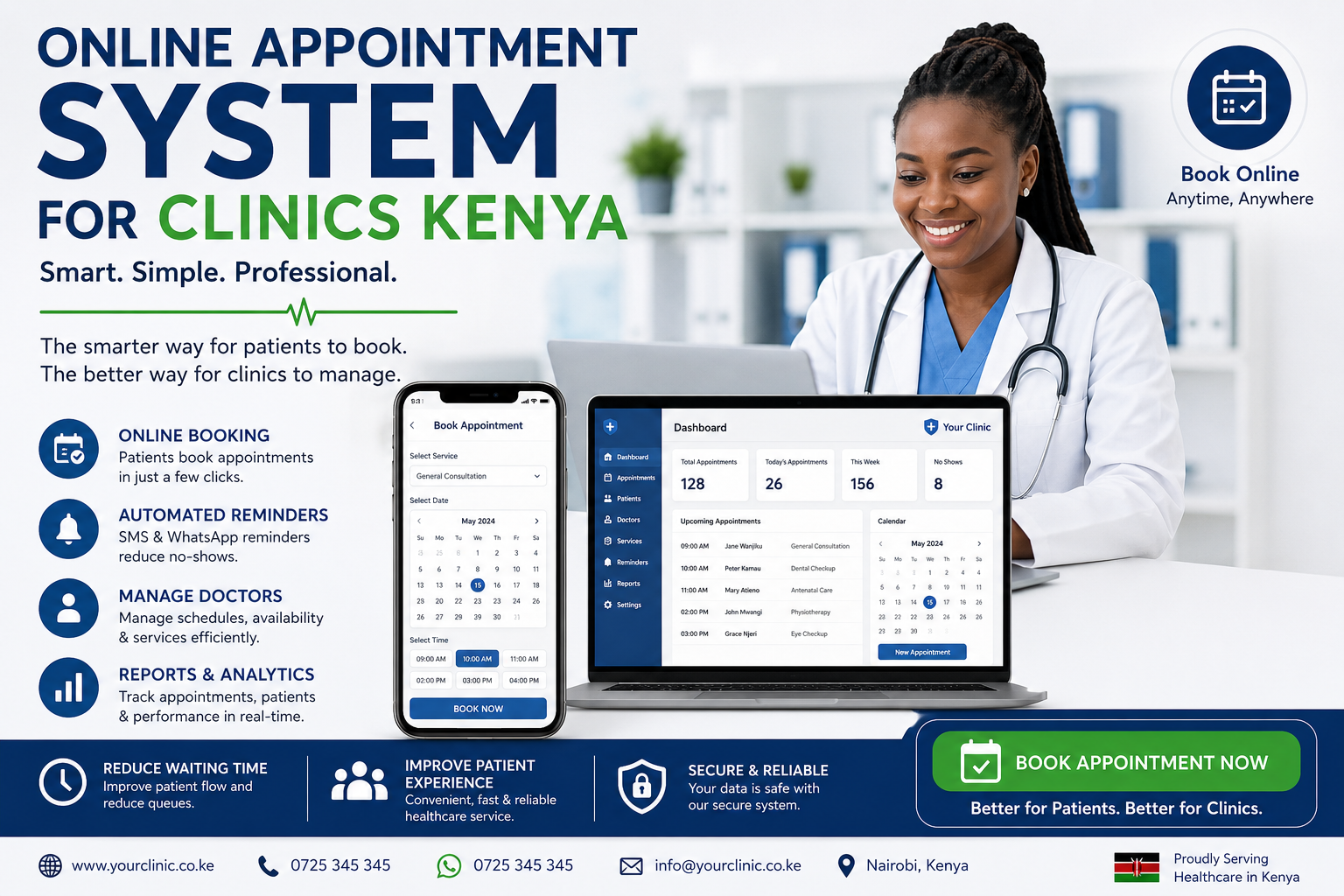 is one of the most important topics for salon businesses that want to grow, improve customer experience, and avoid losing money through missed appointments, poor follow-ups, double bookings, and slow responses. Many salon owners work very hard to attract customers through referrals, Facebook, Instagram, TikTok, Google, WhatsApp, and walk-ins, but still lose many of those customers because their booking process is manual, disorganized, and difficult to manage.
A salon may have excellent stylists, good products, affordable prices, and a beautiful working space, but if customers struggle to book an appointment, they may choose another salon. In today’s beauty industry, customers want speed, convenience, professionalism, and clear communication. They do not want to call several times before getting a response. They do not want to send a WhatsApp message and wait for hours. They do not want to arrive at the salon and find that another customer was given the same time slot.
Manual booking can quietly damage a salon business. It may look simple at first, especially when the salon is still small, but as customers increase, manual booking becomes risky. Appointments get forgotten. Messages get lost. Staff members become confused. Customers fail to show up. Some customers complain about waiting too long. Others stop coming back without explaining why.
This is why salon owners need to understand how manual booking causes customer loss and how a digital appointment booking system can help solve the problem.
Why Manual Booking Is a Big Problem for Salon Owners
Manual booking is when a salon records customer appointments using notebooks, phone calls, WhatsApp chats, staff memory, or basic spreadsheets. Many salon owners in Kenya and other markets still depend on these methods because they look cheap and easy.
However, manual booking becomes expensive when it starts costing the business customers.
A customer may call the salon and fail to get an answer because the receptionist is busy. Another customer may send a WhatsApp message, but the message gets buried under other conversations. A stylist may accept an appointment verbally but forget to write it down. Another staff member may give the same time slot to a different customer. These small mistakes can cause serious damage.
Salon customers usually value time. A client may be preparing for work, a wedding, a graduation, a date, a birthday, a photo shoot, or an important meeting. If the salon wastes their time, they may never return. Worse, they may tell friends that the salon is disorganized.
Manual booking creates a weak customer experience. It makes the salon look less professional, even if the actual service is good.
How Manual Booking Makes Salons Lose Customers
Salon owners may not always notice how many customers they lose because of manual booking. Some clients do not complain. They simply stop coming. Others move to another salon that is easier to book.
Below are the major ways manual booking causes customer loss.
1. Slow Responses Push Customers Away
One of the biggest problems with manual booking is slow response time. A customer may send a message asking:
“Are you available tomorrow?”
“How much is hair treatment?”
“Can I book for Saturday morning?”
“Is my stylist available?”
“Can I come at 2 PM?”
If the salon takes too long to respond, the customer may contact another salon. Beauty customers often make fast decisions, especially when they need urgent service. If your competitor responds faster, they win the customer.
A salon booking system solves this by allowing customers to see available time slots and book immediately. They do not have to wait for someone to reply.
2. Missed Calls Mean Missed Customers
Many salon customers still call before visiting. But salon staff are often busy serving clients, washing hair, braiding, styling, doing nails, applying makeup, or handling payments. This means phone calls can easily be missed.
A missed call can be a missed sale.
If a customer calls two or three times and no one answers, they may assume the salon is unavailable or unprofessional. They may then search for another salon nearby.
With an online booking system, the customer does not need to call. They can book through a link on WhatsApp, Instagram, Facebook, Google Business Profile, or the salon website.
3. WhatsApp Messages Get Lost
WhatsApp is useful for communication, but it is not a complete appointment management system. Many salons receive many WhatsApp messages every day. Some are from customers. Others are from suppliers, staff, friends, groups, and marketing contacts.
A customer booking request can easily disappear in the middle of many chats.
For example, a customer may message:
“Hi, I want to book nails tomorrow at 10.”
The salon replies later, but by then the customer has already booked elsewhere. In another case, the salon may confirm the appointment but forget to record it in the diary.
A booking system gives every appointment a proper record. WhatsApp can still be used, but the actual appointment is stored in a structured system.
4. Double Booking Creates Bad Customer Experience
Double booking happens when two customers are scheduled for the same time slot. This is common in salons that use notebooks or memory-based booking.
Imagine two customers arriving at 10 AM for the same stylist. One customer may have to wait for hours. Another may leave angrily. Both may feel disrespected.
Double booking damages trust. Customers may think the salon does not value their time. Even if the stylist apologizes, the customer may not come back.
An appointment booking system prevents double booking by blocking already reserved slots. Once a time slot is booked, another customer cannot book the same slot unless the business allows multiple appointments for that service.
5. Long Waiting Time Makes Customers Leave
Many salon customers dislike waiting for too long. Some understand that beauty services take time, but they still expect the salon to manage appointments properly.
Manual booking often causes overcrowding. Too many customers may arrive at the same time because the salon did not control the schedule. Staff become overwhelmed, customers become impatient, and service quality drops.
A proper booking system helps spread appointments across the day. This allows staff to prepare and serve customers better.
When customers know they can arrive at their booked time and be served quickly, they are more likely to return.
6. Forgotten Appointments Damage Your Salon Brand
A forgotten appointment is one of the worst mistakes a salon can make. A customer may arrive expecting service, but the staff have no record of the booking. This makes the customer feel ignored and unimportant.
Some customers may forgive once, but others will not.
Forgotten appointments happen when bookings are recorded in different places. One appointment may be in a notebook. Another may be on WhatsApp. Another may be in a stylist’s personal phone. Another may be remembered verbally.
A salon needs one central booking system where all appointments are recorded and visible to authorized staff.
7. No Reminder Means More No-Shows
A no-show happens when a customer books an appointment but does not come. This is costly for salons because that time slot could have been given to another paying customer.
Manual booking does not always include reminders. Staff may forget to remind clients, especially when the salon is busy.
A salon appointment booking system can send automatic reminders through SMS, email, or WhatsApp. The customer can receive a reminder a day before or a few hours before the appointment.
This reduces no-shows and helps the salon protect revenue.
8. Poor Staff Coordination Causes Confusion
If your salon has several stylists, nail technicians, makeup artists, or beauty therapists, staff coordination is important. Manual booking makes it hard to know who is available and who is already booked.
One stylist may be overloaded while another is free. A customer may request a specific staff member, but the salon may not know whether that person is available.
A booking system allows each staff member to have a schedule. Customers can book a specific stylist, or the admin can assign staff based on availability.
This improves teamwork and reduces confusion.
9. Manual Booking Makes It Hard to Track Loyal Customers
Loyal customers are very valuable to salons. A returning customer spends more over time than a one-time customer. However, manual booking makes it hard to track customer history.
You may not know:
- When the customer last visited
- Which service they booked
- Which stylist served them
- How much they paid
- What products they prefer
- Whether they missed an appointment
- Whether they need a follow-up
A booking system stores customer records. This helps the salon personalize service and encourage repeat visits.
For example, if a customer usually comes for hair treatment every month, the salon can send a reminder when the next treatment is due.
10. Poor Follow-Up Reduces Repeat Business
Many salon owners focus on getting new customers but forget to follow up with existing ones. Manual booking does not make follow-up easy because customer records are scattered.
After a customer receives service, the salon can follow up with a message such as:
“Thank you for visiting us today. We hope you loved your look. Book your next appointment here.”
This kind of follow-up improves customer relationships and encourages repeat bookings.
A digital booking system can help automate or organize these follow-ups.
11. Customers Prefer Convenience
Modern customers prefer convenience. They want to book quickly, confirm easily, and receive reminders. Many customers are already used to online services such as delivery apps, mobile banking, ride-hailing apps, and online shopping.
Salon customers are not different. They want a simple way to book beauty services.
If your salon only depends on calls and manual messages, you may look outdated compared to competitors who offer online booking.
Convenience can be the reason a customer chooses your salon over another.
12. Manual Booking Limits Salon Growth
Manual booking may work when the salon has few customers. But as the salon grows, manual systems become weak. More customers mean more appointments, more staff, more services, more payments, and more follow-ups.
Without a system, growth becomes stressful.
A salon that wants to grow needs structure. A booking system helps the business handle more customers without losing control.
How a Salon Appointment Booking System Solves These Problems
A salon appointment booking system gives your business a digital way to manage appointments. It helps customers book services online while giving the salon owner a clear dashboard to manage daily operations.
The system can show available services, staff, prices, time slots, customer details, appointment status, and reports.
Instead of manually checking a notebook, staff can open the dashboard and see all appointments for the day.
This improves organization and makes the salon look professional.
Key Features Salon Owners Need in a Booking System
A good salon booking system should not be complicated. It should be simple enough for staff to use and powerful enough to solve real problems.
Online Booking Page
Customers should be able to book services online using a link. This link can be shared on WhatsApp, Instagram, Facebook, TikTok, Google Business Profile, or the salon website.
Service Menu
The salon should list services such as hair braiding, hair treatment, wig installation, dreadlocks, manicure, pedicure, facial treatment, makeup, massage, waxing, and bridal packages.
Each service can have a price, duration, and description.
Staff Selection
Customers can choose their preferred stylist, nail technician, makeup artist, or therapist. This is important because many salon customers are loyal to specific staff members.
Calendar View
The salon owner and staff should see bookings in a daily, weekly, or monthly calendar.
Appointment Status
Appointments can have statuses such as pending, confirmed, completed, cancelled, or rescheduled.
SMS and WhatsApp Reminders
Reminders help reduce no-shows and late arrivals.
Customer Database
The system should store customer names, phone numbers, appointment history, and notes.
Payment Integration
The system can support M-Pesa deposits or booking fees to reduce unserious bookings.
Reports
The salon owner can see which services are popular, which staff members are busy, and how many appointments are completed.
Why M-Pesa Deposits Can Help Salons Reduce Fake Bookings
Some customers book appointments but fail to show up. This wastes time and causes revenue loss. A salon can reduce this by asking for a small booking deposit.
For example, the salon can ask for:
- Ksh 200 deposit for nails
- Ksh 500 deposit for hair services
- Ksh 1,000 deposit for bridal makeup
- Ksh 300 deposit for facial treatment
When customers pay a deposit through M-Pesa, they become more serious about attending the appointment.
The system can record the payment and mark the booking as confirmed.
This is especially useful for high-demand services and weekend bookings.
Why Salon Owners Should Use Booking Links on Social Media
Many salon customers discover beauty businesses on social media. They see hairstyle photos, nail designs, makeup videos, transformation reels, and customer reviews.
But after viewing your content, the customer needs an easy way to book.
You should place your booking link on:
- Instagram bio
- Facebook page
- TikTok profile
- WhatsApp status
- Google Business Profile
- Website buttons
- Poster designs
- Digital flyers
A customer who likes your work can book immediately instead of asking many questions.
This increases conversion from social media traffic.
How Online Booking Improves Customer Experience
Customer experience is not only about the final hairstyle or beauty result. It starts from the first interaction.
A good booking experience includes:
- Easy appointment request
- Clear service options
- Visible prices
- Available time slots
- Fast confirmation
- Appointment reminders
- Friendly follow-up
- Smooth service delivery
When customers enjoy the full process, they are more likely to return and recommend your salon.
How Salon Owners Can Reduce Waiting Time
Waiting time is one of the main reasons customers leave salons. A customer may love your work but hate waiting for too long.
A booking system helps reduce waiting by spacing appointments properly. The salon can set service durations so that bookings are realistic.
For example:
- Hair wash: 30 minutes
- Hair treatment: 1 hour
- Braiding: 3 hours
- Manicure: 45 minutes
- Pedicure: 1 hour
- Facial: 1 hour
- Makeup: 1 hour 30 minutes
When service duration is clear, the salon can avoid overcrowding.
How Booking Systems Help Salon Staff Work Better
A booking system does not only help customers. It also helps staff.
Staff can see their daily schedule in advance. They can prepare products, tools, towels, stations, and equipment before the customer arrives.
This reduces stress and improves service quality.
The owner can also monitor staff workload and avoid overbooking one stylist while others are free.
How Salon Owners Can Increase Repeat Customers
Repeat customers are the foundation of salon growth. A booking system helps bring customers back through reminders and follow-ups.
For example, the salon can remind customers:
- To book their next hair treatment
- To refill nails
- To schedule a facial
- To return for dreadlock maintenance
- To book makeup for an upcoming event
- To take advantage of weekend offers
This kind of follow-up increases customer loyalty.
How Booking Reports Help Salon Owners Make Better Decisions
Many salon owners make decisions based on guesswork. A booking system provides useful reports that can help the business grow.
Reports can show:
- Number of bookings per day
- Most popular services
- Most requested staff
- Cancelled appointments
- No-shows
- Revenue from bookings
- Peak hours
- Busy days
- Customer return rate
With this information, the salon owner can plan better.
For example, if Saturdays are always fully booked, the salon can add more staff on Saturdays. If facial services are growing, the salon can promote skincare packages. If one stylist is always fully booked, the owner can train others to offer similar services.
Manual Booking vs Digital Booking for Salons
Manual booking depends on human memory, notebooks, phone calls, and WhatsApp messages. It can work for a short time but becomes risky as the business grows.
Digital booking gives the salon a professional system. It organizes appointments, customers, staff, services, reminders, and reports.
Manual booking causes confusion. Digital booking creates clarity.
Manual booking wastes time. Digital booking saves time.
Manual booking loses customers. Digital booking helps retain customers.
How to Move from Manual Booking to Online Booking
Salon owners do not need to change everything at once. They can start step by step.
Step 1: List Your Services
Write down all salon services, prices, and duration.
Step 2: Add Staff Members
List your stylists, nail technicians, makeup artists, and therapists.
Step 3: Set Working Hours
Define opening hours, closing hours, lunch breaks, off days, and weekend schedules.
Step 4: Create Booking Rules
Decide whether customers can book instantly or need admin approval.
Step 5: Add Payment Rules
Decide whether customers must pay a deposit before confirmation.
Step 6: Share the Booking Link
Put the booking link on WhatsApp, Instagram, Facebook, TikTok, Google Business Profile, and your website.
Step 7: Train Staff
Teach your staff how to check appointments, confirm bookings, and update statuses.
Step 8: Encourage Customers to Use It
Tell walk-in and repeat customers to use the booking link next time.
Mistakes Salon Owners Should Avoid
When switching from manual booking to digital booking, avoid these mistakes:
- Not adding all services
- Not setting correct service durations
- Not training staff
- Not updating availability
- Not using reminders
- Not sharing the booking link widely
- Not collecting customer details
- Not following up after appointments
- Not checking reports
A booking system works best when the salon uses it consistently.
Why Professional Booking Builds Trust
Customers trust organized businesses. When a customer books online and receives confirmation, they feel secure. When they receive a reminder, they feel valued. When they arrive and staff already know their service, they feel respected.
This is how a salon builds a strong brand.
A salon does not need to be very big to look professional. Even a small salon can impress customers with a smooth booking process.
How Salon Owners Can Compete Better Using Online Booking
The beauty industry is competitive. Many salons offer similar services. Customers often choose the salon that is easier to access, easier to book, and easier to trust.
Online booking gives your salon an advantage because it reduces friction.
A customer who sees your Instagram post can book immediately. A customer who finds you on Google can schedule a visit. A customer who receives your WhatsApp flyer can click and reserve a slot.
This makes your marketing more effective.
Why Salon Owners Should Stop Depending Only on Walk-Ins
Walk-in customers are good, but depending only on walk-ins can make income unpredictable. Appointments help salons plan the day better.
With appointments, you can know:
- Who is coming
- What service they need
- What time they will arrive
- Which staff member will serve them
- How much revenue to expect
This helps with planning staff, products, and daily sales targets.
How Booking Systems Improve Salon Revenue
A booking system can increase salon revenue in several ways.
First, it reduces missed bookings by allowing customers to book online at any time. Second, it reduces no-shows through reminders. Third, it supports deposits through M-Pesa. Fourth, it helps promote repeat bookings. Fifth, it gives reports that help the owner focus on profitable services.
Better booking means better income control.
Best Call-to-Action for Salon Booking Pages
Your salon booking page should have clear call-to-action messages such as:
- Book Your Salon Appointment Today
- Reserve Your Beauty Session Now
- Book Hair, Nails, Makeup, and Spa Services Online
- Choose Your Stylist and Time
- Secure Your Slot with M-Pesa Deposit
- Book Now and Avoid Waiting
Clear calls-to-action help customers take action faster.
Conclusion
How Salon Owners Can Stop Losing Customers Through Manual Booking is a serious lesson for every salon owner who wants to grow. Manual booking may look easy, but it can cause missed calls, lost WhatsApp messages, double bookings, forgotten appointments, long waiting time, poor follow-up, and unhappy customers.
A salon appointment booking system helps solve these problems by organizing bookings, staff, services, reminders, customers, payments, and reports in one place.
For salon owners who want to look professional, reduce no-shows, serve customers better, and increase revenue, moving from manual booking to online booking is a smart decision.
Customers want convenience. Staff need organization. Salon owners need growth. A booking system supports all three.
Call to Action
Are you a salon owner tired of losing customers through manual booking?
Get a professional salon appointment booking system that helps your customers book online, receive reminders, pay deposits through M-Pesa, choose services, and enjoy a smooth salon experience.
Stop losing customers through missed calls, WhatsApp confusion, double bookings, and forgotten appointments.
Start managing your salon bookings the smart way today.
Frequently Asked Questions
What is manual booking in a salon?
Manual booking is when a salon records appointments using notebooks, phone calls, WhatsApp messages, spreadsheets, or staff memory instead of using a digital booking system.
Why do salons lose customers through manual booking?
Salons lose customers through manual booking because of missed calls, slow replies, double bookings, forgotten appointments, long waiting time, and poor follow-up.
How can salon owners stop losing customers through manual booking?
Salon owners can stop losing customers by using an online appointment booking system that manages bookings, staff schedules, reminders, customer records, and payments.
Is WhatsApp enough for salon booking?
WhatsApp is useful for communication, but it is not enough for full appointment management. A salon still needs a proper booking system to avoid confusion.
Can a salon booking system reduce no-shows?
Yes. A booking system can send SMS or WhatsApp reminders to customers before their appointments, reducing no-shows.
Can customers pay deposits when booking?
Yes. A salon booking system can support M-Pesa deposits or booking fees to reduce fake bookings and confirm serious customers.
Is online booking good for small salons?
Yes. Even small salons benefit from online booking because it saves time, improves customer experience, and makes the salon look professional.
Can customers choose a stylist online?
Yes. A good salon booking system can allow customers to choose their preferred stylist, nail technician, makeup artist, or beauty therapist.
Can a booking system help with repeat customers?
Yes. It can store customer records and help salon owners send follow-up messages, reminders, and offers to encourage repeat bookings.
What is the best booking system for salon owners?
The best booking system for salon owners is one that is easy to use, mobile-friendly, supports staff scheduling, sends reminders, stores customer records, and can support M-Pesa payments.
Leave a Reply