Category: Business Management Software

  • Fitness Studio Management Software Kenya: 9 Tools for Classes, Members, and Payments

    Fitness Studio Management Software Kenya: 9 Tools for Classes, Members, and Payments

    Fitness Studio Management Software Kenya: 9 Tools for Classes, Members, and Payments

    Fitness Studio Management Software Kenya by PRIM
    Fitness Studio Management Software Kenya for Kenyan service businesses that want better bookings, payments, customer records, and reports.

    Fitness Studio Management Software Kenya is built for fitness studios, yoga studios, pilates studios, dance studios, personal trainers, and wellness centers in Kenya that need a practical way to manage appointments, customers, staff, payments, packages, receipts, and daily reports from one system.

    Many service businesses still rely on notebooks, WhatsApp messages, memory, spreadsheets, and manual receipts. That can work at the start, but it becomes risky when bookings increase, staff schedules become busy, products move quickly, and customers expect reliable communication.

    PRIM helps businesses organize daily operations with clearer booking records, cash and M-Pesa payment tracking, customer history, staff roles, package control, inventory visibility, and management reports. Call or WhatsApp PRIM: +254 725345345.

    Table of Contents

    What Is Fitness Studio Management Software Kenya?

    Fitness Studio Management Software Kenya is business software for managing appointment-based and service-based operations. It helps owners replace scattered manual records with one connected workflow for booking, billing, staff activity, customer information, stock, packages, and reporting.

    Instead of separating appointments, payments, customer notes, packages, inventory, and reports into different books or phones, the system creates a more controlled daily process. Staff can serve customers faster, while owners can see what is happening without waiting for manual summaries.

    Why Kenyan Businesses Need Fitness Studio Management Software Kenya

    The main problem is class booking confusion, manual membership tracking, missed payments, trainer schedule gaps, weak attendance records, and poor client follow-up. These issues may look small at first, but they can reduce revenue, create customer complaints, confuse staff, and make the owner lose control of daily operations.

    Fitness Studio Management Software Kenya helps by connecting bookings, payments, staff roles, customer records, services, stock, and reports. When activity is recorded consistently, the business gets better visibility and fewer surprises at the end of the day.

    Service businesses in Kenya also benefit from reliable digital payments and strong digital operations. Useful external references include M-Pesa, Business Daily Africa, and the Ministry of ICT and Digital Economy.

    PRIM also supports related business needs through PRIM business software, salon management system Nakuru, salon booking system Kenya, appointment booking system Kenya, and salon POS system Kenya.

    Key Features of Fitness Studio Management Software Kenya

    • class calendar
    • member records
    • package tracking
    • trainer schedules
    • payment records
    • attendance reports
    • customer reminders
    • daily reports

    1. Appointment and schedule control: Fitness Studio Management Software Kenya

    A clear calendar helps teams reduce double bookings, missed visits, idle time, and last-minute confusion. Fitness Studio Management Software Kenya gives Kenyan service businesses a structured workflow for class calendars, memberships, trainers, packages, attendance, payments, and client follow-up.

    This matters because service operations depend on time, trust, payment clarity, staff discipline, and repeat customers. One missed appointment, unclear sale, or weak report can affect both revenue and customer experience.

    2. Customer or member records: Fitness Studio Management Software Kenya

    Good records help staff understand client history, preferences, packages, payments, and follow-up needs. Fitness Studio Management Software Kenya gives Kenyan service businesses a structured workflow for class calendars, memberships, trainers, packages, attendance, payments, and client follow-up.

    This matters because service operations depend on time, trust, payment clarity, staff discipline, and repeat customers. One missed appointment, unclear sale, or weak report can affect both revenue and customer experience.

    3. Staff visibility: Fitness Studio Management Software Kenya

    Owners need to know who is booked, who is available, and which services each team member is handling. Fitness Studio Management Software Kenya gives Kenyan service businesses a structured workflow for class calendars, memberships, trainers, packages, attendance, payments, and client follow-up.

    This matters because service operations depend on time, trust, payment clarity, staff discipline, and repeat customers. One missed appointment, unclear sale, or weak report can affect both revenue and customer experience.

    4. Payment tracking: Fitness Studio Management Software Kenya

    Kenyan service businesses often receive cash and M-Pesa, so payment records must be easy to check at day end. Fitness Studio Management Software Kenya gives Kenyan service businesses a structured workflow for class calendars, memberships, trainers, packages, attendance, payments, and client follow-up.

    This matters because service operations depend on time, trust, payment clarity, staff discipline, and repeat customers. One missed appointment, unclear sale, or weak report can affect both revenue and customer experience.

    5. Package and service control: Fitness Studio Management Software Kenya

    Packages, memberships, sessions, service items, and prepaid work need clear tracking so customers and staff know what remains. Fitness Studio Management Software Kenya gives Kenyan service businesses a structured workflow for class calendars, memberships, trainers, packages, attendance, payments, and client follow-up.

    This matters because service operations depend on time, trust, payment clarity, staff discipline, and repeat customers. One missed appointment, unclear sale, or weak report can affect both revenue and customer experience.

    6. Daily reports: Fitness Studio Management Software Kenya

    Reports help owners understand revenue, bookings, attendance, customer activity, staff performance, stock use, and payment differences. Fitness Studio Management Software Kenya gives Kenyan service businesses a structured workflow for class calendars, memberships, trainers, packages, attendance, payments, and client follow-up.

    This matters because service operations depend on time, trust, payment clarity, staff discipline, and repeat customers. One missed appointment, unclear sale, or weak report can affect both revenue and customer experience.

    7. Customer reminders: Fitness Studio Management Software Kenya

    Reminders and follow-up notes help reduce missed appointments and improve repeat business. this PRIM software gives Kenyan service businesses a structured workflow for class calendars, memberships, trainers, packages, attendance, payments, and client follow-up.

    This matters because service operations depend on time, trust, payment clarity, staff discipline, and repeat customers. One missed appointment, unclear sale, or weak report can affect both revenue and customer experience.

    8. Growth planning: this PRIM software

    A system gives owners information they can use to improve staffing, pricing, packages, stock purchases, and service delivery. this PRIM software gives Kenyan service businesses a structured workflow for class calendars, memberships, trainers, packages, attendance, payments, and client follow-up.

    This matters because service operations depend on time, trust, payment clarity, staff discipline, and repeat customers. One missed appointment, unclear sale, or weak report can affect both revenue and customer experience.

    Why Choose PRIM for this PRIM software?

    PRIM is practical for Kenyan businesses because it focuses on the daily tools owners and staff need most: appointment visibility, customer records, service billing, package tracking, payment records, staff control, stock visibility, and reports.

    this PRIM software should be simple enough for staff to use consistently. If software is too complex, teams often return to manual notes. PRIM is designed to support practical operations without making the business harder to run.

    The system can help owners identify busy days, top services, active customers, payment gaps, staff activity, stock movement, and follow-up opportunities. Better information leads to better decisions.

    How to Set Up this PRIM software Correctly

    Start by listing all services with clear names, prices, and expected duration. Add packages, memberships, sessions, products, or prepaid services where relevant. Create staff roles so each team member can use the system based on their responsibility.

    Next, create a consistent workflow for booking, service delivery, payment recording, receipt handling, and end-of-day review. A system becomes more valuable when every staff member follows the same process.

    Owners should review reports daily or weekly. This habit helps identify missed appointments, unpaid services, busy hours, customer trends, stock pressure, and staff performance early.

    Common Mistakes to Avoid

    One mistake is choosing software only because it looks modern. The system must solve real problems in the business. Another mistake is failing to train staff. Even good software will fail if the team does not know how to use it.

    A third mistake is ignoring payment records. Service businesses often receive cash, M-Pesa, package payments, and product payments. Without proper tracking, it becomes difficult to know what was paid, what is pending, and what should appear in daily totals.

    Another mistake is not reviewing reports. Reports help only when owners use them. Even a quick daily check can improve cash control, staff accountability, customer service, and planning.

    Frequently Asked Questions

    What is this PRIM software?

    this PRIM software is software that helps Kenyan service businesses manage appointments, customer records, staff schedules, payments, packages, reminders, receipts, stock, and reports.

    Can PRIM help with M-Pesa records?

    Yes. PRIM helps businesses record cash and M-Pesa payment details so day-end reconciliation is easier and reports are clearer.

    Can the system manage packages or memberships?

    Yes. The system can support package, session, membership, or prepaid service tracking depending on how the business sells services.

    Is this useful for small service businesses?

    Yes. Small teams benefit from clearer bookings, customer records, payments, reminders, and reports before operations become harder to control.

    How can I get started?

    Visit PRIM or call/WhatsApp +254 725345345 to request guidance, pricing, or a demo.

    Before choosing software, list the daily problems that cost the business time or money. Common issues include missed bookings, unclear payment records, weak staff accountability, poor customer follow-up, stock gaps, package confusion, and slow end-of-day reporting. A useful system should solve practical problems first.

    Clean setup matters. Service names, prices, packages, staff roles, payment methods, product categories, and customer records should be entered carefully from the beginning. If setup is messy, reports will also be messy. A disciplined setup makes the platform easier for staff to use every day.

    Owners should review reports frequently. A short daily review can show busy hours, best-selling services, active customers, staff performance, payment differences, stock movement, and follow-up opportunities. These insights help the business plan staffing, pricing, offers, inventory, and customer service more confidently.

    Training is also important. Staff should know how to create appointments, update customer notes, record services, sell products or packages, record payments, print receipts, and close the day correctly. When everyone follows one process, the business becomes easier to manage.

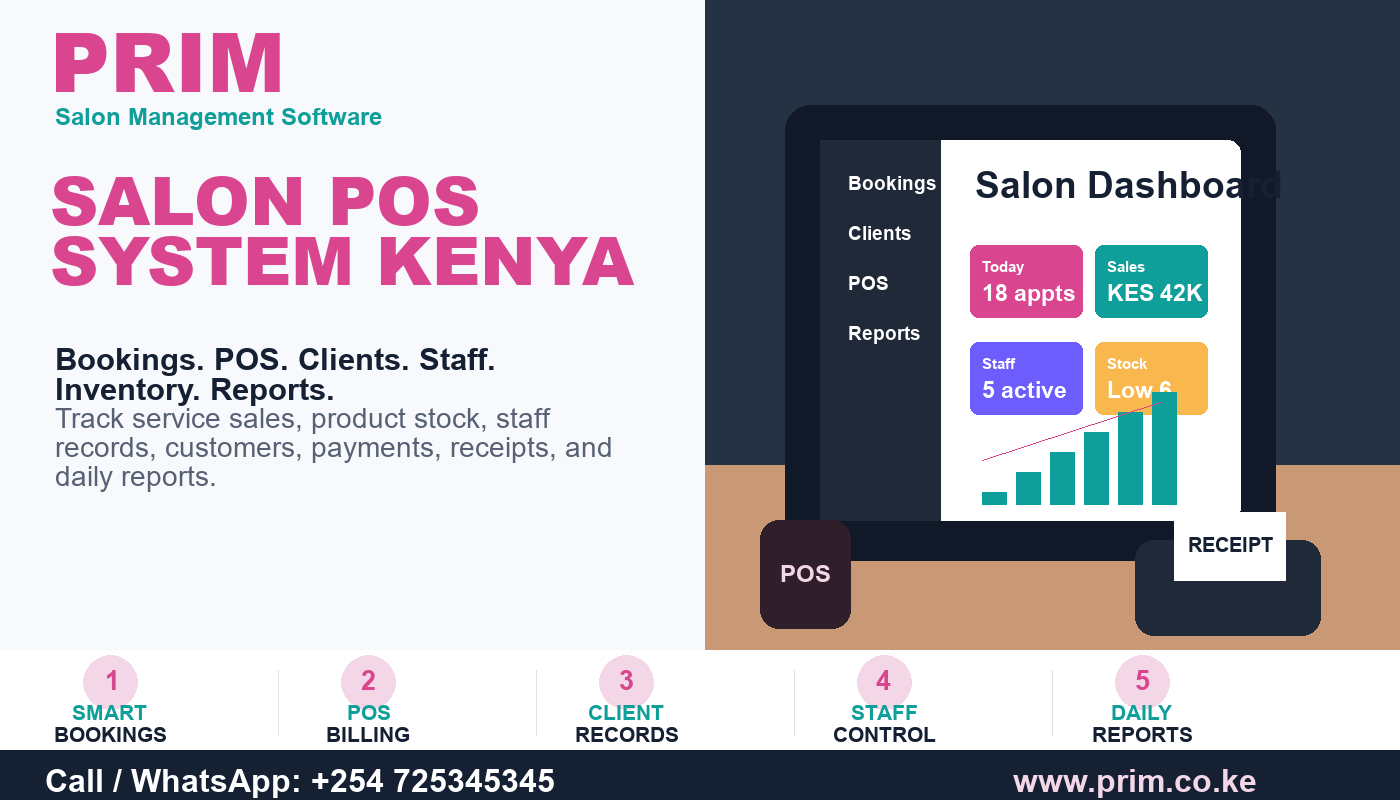
    Before choosing software, list the daily problems that cost the business time or money. Common issues include missed bookings, unclear payment records, weak staff accountability, poor customer follow-up, stock gaps, package confusion, and slow end-of-day reporting. A useful system should solve practical problems first.

    Clean setup matters. Service names, prices, packages, staff roles, payment methods, product categories, and customer records should be entered carefully from the beginning. If setup is messy, reports will also be messy. A disciplined setup makes the platform easier for staff to use every day.

    Owners should review reports frequently. A short daily review can show busy hours, best-selling services, active customers, staff performance, payment differences, stock movement, and follow-up opportunities. These insights help the business plan staffing, pricing, offers, inventory, and customer service more confidently.

    Training is also important. Staff should know how to create appointments, update customer notes, record services, sell products or packages, record payments, print receipts, and close the day correctly. When everyone follows one process, the business becomes easier to manage.

    Before choosing software, list the daily problems that cost the business time or money. Common issues include missed bookings, unclear payment records, weak staff accountability, poor customer follow-up, stock gaps, package confusion, and slow end-of-day reporting. A useful system should solve practical problems first.

    Clean setup matters. Service names, prices, packages, staff roles, payment methods, product categories, and customer records should be entered carefully from the beginning. If setup is messy, reports will also be messy. A disciplined setup makes the platform easier for staff to use every day.

    Owners should review reports frequently. A short daily review can show busy hours, best-selling services, active customers, staff performance, payment differences, stock movement, and follow-up opportunities. These insights help the business plan staffing, pricing, offers, inventory, and customer service more confidently.

    Training is also important. Staff should know how to create appointments, update customer notes, record services, sell products or packages, record payments, print receipts, and close the day correctly. When everyone follows one process, the business becomes easier to manage.

    Before choosing software, list the daily problems that cost the business time or money. Common issues include missed bookings, unclear payment records, weak staff accountability, poor customer follow-up, stock gaps, package confusion, and slow end-of-day reporting. A useful system should solve practical problems first.

    Clean setup matters. Service names, prices, packages, staff roles, payment methods, product categories, and customer records should be entered carefully from the beginning. If setup is messy, reports will also be messy. A disciplined setup makes the platform easier for staff to use every day.

    Owners should review reports frequently. A short daily review can show busy hours, best-selling services, active customers, staff performance, payment differences, stock movement, and follow-up opportunities. These insights help the business plan staffing, pricing, offers, inventory, and customer service more confidently.

    Training is also important. Staff should know how to create appointments, update customer notes, record services, sell products or packages, record payments, print receipts, and close the day correctly. When everyone follows one process, the business becomes easier to manage.

    Before choosing software, list the daily problems that cost the business time or money. Common issues include missed bookings, unclear payment records, weak staff accountability, poor customer follow-up, stock gaps, package confusion, and slow end-of-day reporting. A useful system should solve practical problems first.

    Clean setup matters. Service names, prices, packages, staff roles, payment methods, product categories, and customer records should be entered carefully from the beginning. If setup is messy, reports will also be messy. A disciplined setup makes the platform easier for staff to use every day.

    Owners should review reports frequently. A short daily review can show busy hours, best-selling services, active customers, staff performance, payment differences, stock movement, and follow-up opportunities. These insights help the business plan staffing, pricing, offers, inventory, and customer service more confidently.

    Training is also important. Staff should know how to create appointments, update customer notes, record services, sell products or packages, record payments, print receipts, and close the day correctly. When everyone follows one process, the business becomes easier to manage.

    Before choosing software, list the daily problems that cost the business time or money. Common issues include missed bookings, unclear payment records, weak staff accountability, poor customer follow-up, stock gaps, package confusion, and slow end-of-day reporting. A useful system should solve practical problems first.

    Clean setup matters. Service names, prices, packages, staff roles, payment methods, product categories, and customer records should be entered carefully from the beginning. If setup is messy, reports will also be messy. A disciplined setup makes the platform easier for staff to use every day.

    Owners should review reports frequently. A short daily review can show busy hours, best-selling services, active customers, staff performance, payment differences, stock movement, and follow-up opportunities. These insights help the business plan staffing, pricing, offers, inventory, and customer service more confidently.

    Training is also important. Staff should know how to create appointments, update customer notes, record services, sell products or packages, record payments, print receipts, and close the day correctly. When everyone follows one process, the business becomes easier to manage.
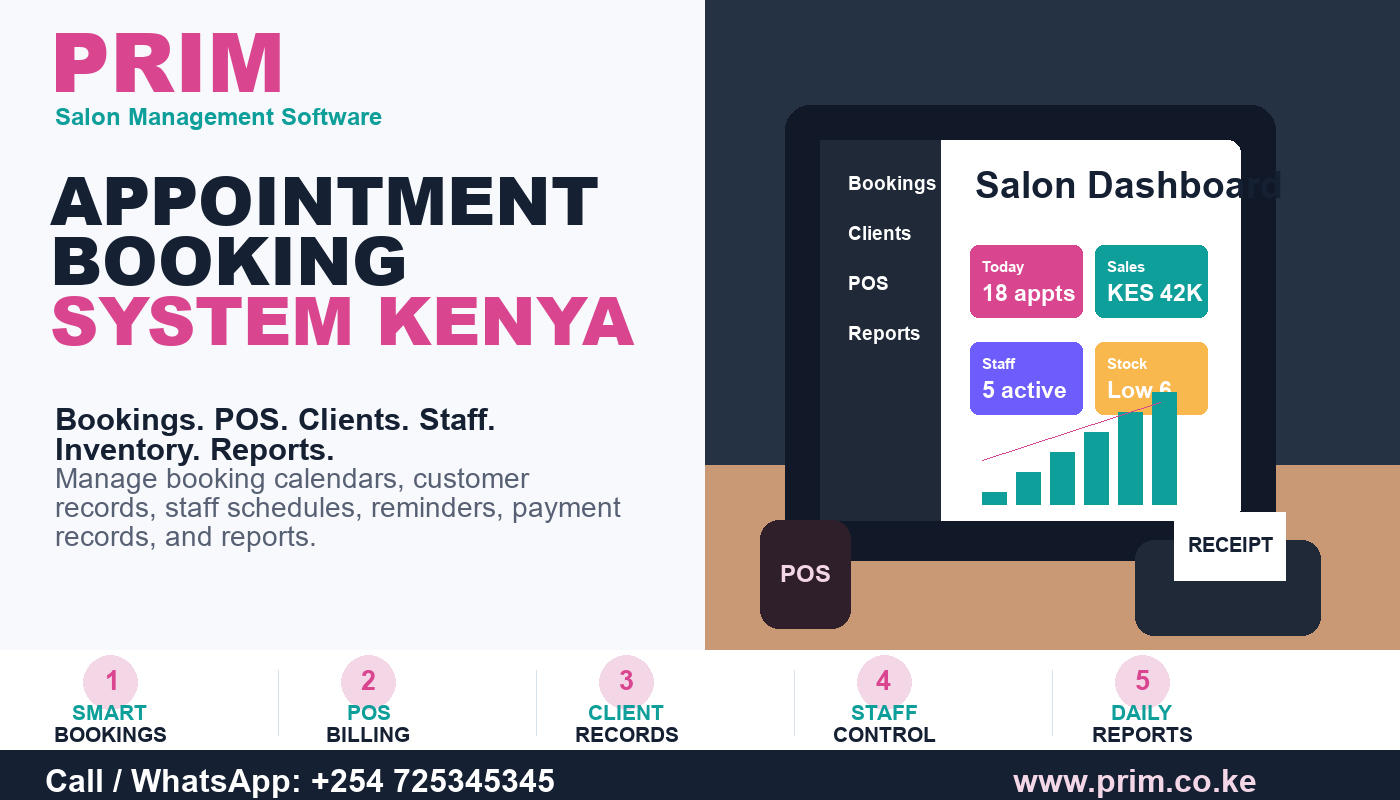
    Before choosing software, list the daily problems that cost the business time or money. Common issues include missed bookings, unclear payment records, weak staff accountability, poor customer follow-up, stock gaps, package confusion, and slow end-of-day reporting. A useful system should solve practical problems first.

    Clean setup matters. Service names, prices, packages, staff roles, payment methods, product categories, and customer records should be entered carefully from the beginning. If setup is messy, reports will also be messy. A disciplined setup makes the platform easier for staff to use every day.

    Owners should review reports frequently. A short daily review can show busy hours, best-selling services, active customers, staff performance, payment differences, stock movement, and follow-up opportunities. These insights help the business plan staffing, pricing, offers, inventory, and customer service more confidently.

    Training is also important. Staff should know how to create appointments, update customer notes, record services, sell products or packages, record payments, print receipts, and close the day correctly. When everyone follows one process, the business becomes easier to manage.

    Before choosing software, list the daily problems that cost the business time or money. Common issues include missed bookings, unclear payment records, weak staff accountability, poor customer follow-up, stock gaps, package confusion, and slow end-of-day reporting. A useful system should solve practical problems first.

    Clean setup matters. Service names, prices, packages, staff roles, payment methods, product categories, and customer records should be entered carefully from the beginning. If setup is messy, reports will also be messy. A disciplined setup makes the platform easier for staff to use every day.

    Owners should review reports frequently. A short daily review can show busy hours, best-selling services, active customers, staff performance, payment differences, stock movement, and follow-up opportunities. These insights help the business plan staffing, pricing, offers, inventory, and customer service more confidently.

    Training is also important. Staff should know how to create appointments, update customer notes, record services, sell products or packages, record payments, print receipts, and close the day correctly. When everyone follows one process, the business becomes easier to manage.

    Before choosing software, list the daily problems that cost the business time or money. Common issues include missed bookings, unclear payment records, weak staff accountability, poor customer follow-up, stock gaps, package confusion, and slow end-of-day reporting. A useful system should solve practical problems first.

    Clean setup matters. Service names, prices, packages, staff roles, payment methods, product categories, and customer records should be entered carefully from the beginning. If setup is messy, reports will also be messy. A disciplined setup makes the platform easier for staff to use every day.

    Owners should review reports frequently. A short daily review can show busy hours, best-selling services, active customers, staff performance, payment differences, stock movement, and follow-up opportunities. These insights help the business plan staffing, pricing, offers, inventory, and customer service more confidently.

    Training is also important. Staff should know how to create appointments, update customer notes, record services, sell products or packages, record payments, print receipts, and close the day correctly. When everyone follows one process, the business becomes easier to manage.

    Before choosing software, list the daily problems that cost the business time or money. Common issues include missed bookings, unclear payment records, weak staff accountability, poor customer follow-up, stock gaps, package confusion, and slow end-of-day reporting. A useful system should solve practical problems first.

    Clean setup matters. Service names, prices, packages, staff roles, payment methods, product categories, and customer records should be entered carefully from the beginning. If setup is messy, reports will also be messy. A disciplined setup makes the platform easier for staff to use every day.

    Owners should review reports frequently. A short daily review can show busy hours, best-selling services, active customers, staff performance, payment differences, stock movement, and follow-up opportunities. These insights help the business plan staffing, pricing, offers, inventory, and customer service more confidently.

    Training is also important. Staff should know how to create appointments, update customer notes, record services, sell products or packages, record payments, print receipts, and close the day correctly. When everyone follows one process, the business becomes easier to manage.

    Before choosing software, list the daily problems that cost the business time or money. Common issues include missed bookings, unclear payment records, weak staff accountability, poor customer follow-up, stock gaps, package confusion, and slow end-of-day reporting. A useful system should solve practical problems first.

    Clean setup matters. Service names, prices, packages, staff roles, payment methods, product categories, and customer records should be entered carefully from the beginning. If setup is messy, reports will also be messy. A disciplined setup makes the platform easier for staff to use every day.

    Owners should review reports frequently. A short daily review can show busy hours, best-selling services, active customers, staff performance, payment differences, stock movement, and follow-up opportunities. These insights help the business plan staffing, pricing, offers, inventory, and customer service more confidently.

    Training is also important. Staff should know how to create appointments, update customer notes, record services, sell products or packages, record payments, print receipts, and close the day correctly. When everyone follows one process, the business becomes easier to manage.

    Before choosing software, list the daily problems that cost the business time or money. Common issues include missed bookings, unclear payment records, weak staff accountability, poor customer follow-up, stock gaps, package confusion, and slow end-of-day reporting. A useful system should solve practical problems first.

    Clean setup matters. Service names, prices, packages, staff roles, payment methods, product categories, and customer records should be entered carefully from the beginning. If setup is messy, reports will also be messy. A disciplined setup makes the platform easier for staff to use every day.

    Owners should review reports frequently. A short daily review can show busy hours, best-selling services, active customers, staff performance, payment differences, stock movement, and follow-up opportunities. These insights help the business plan staffing, pricing, offers, inventory, and customer service more confidently.

    Training is also important. Staff should know how to create appointments, update customer notes, record services, sell products or packages, record payments, print receipts, and close the day correctly. When everyone follows one process, the business becomes easier to manage.

    Before choosing software, list the daily problems that cost the business time or money. Common issues include missed bookings, unclear payment records, weak staff accountability, poor customer follow-up, stock gaps, package confusion, and slow end-of-day reporting. A useful system should solve practical problems first.

    Clean setup matters. Service names, prices, packages, staff roles, payment methods, product categories, and customer records should be entered carefully from the beginning. If setup is messy, reports will also be messy. A disciplined setup makes the platform easier for staff to use every day.

    Owners should review reports frequently. A short daily review can show busy hours, best-selling services, active customers, staff performance, payment differences, stock movement, and follow-up opportunities. These insights help the business plan staffing, pricing, offers, inventory, and customer service more confidently.

    Training is also important. Staff should know how to create appointments, update customer notes, record services, sell products or packages, record payments, print receipts, and close the day correctly. When everyone follows one process, the business becomes easier to manage.

    Before choosing software, list the daily problems that cost the business time or money. Common issues include missed bookings, unclear payment records, weak staff accountability, poor customer follow-up, stock gaps, package confusion, and slow end-of-day reporting. A useful system should solve practical problems first.

    Clean setup matters. Service names, prices, packages, staff roles, payment methods, product categories, and customer records should be entered carefully from the beginning. If setup is messy, reports will also be messy. A disciplined setup makes the platform easier for staff to use every day.

    Owners should review reports frequently. A short daily review can show busy hours, best-selling services, active customers, staff performance, payment differences, stock movement, and follow-up opportunities. These insights help the business plan staffing, pricing, offers, inventory, and customer service more confidently.

    Training is also important. Staff should know how to create appointments, update customer notes, record services, sell products or packages, record payments, print receipts, and close the day correctly. When everyone follows one process, the business becomes easier to manage.

    Before choosing software, list the daily problems that cost the business time or money. Common issues include missed bookings, unclear payment records, weak staff accountability, poor customer follow-up, stock gaps, package confusion, and slow end-of-day reporting. A useful system should solve practical problems first.

    Clean setup matters. Service names, prices, packages, staff roles, payment methods, product categories, and customer records should be entered carefully from the beginning. If setup is messy, reports will also be messy. A disciplined setup makes the platform easier for staff to use every day.

    Owners should review reports frequently. A short daily review can show busy hours, best-selling services, active customers, staff performance, payment differences, stock movement, and follow-up opportunities. These insights help the business plan staffing, pricing, offers, inventory, and customer service more confidently.

    Training is also important. Staff should know how to create appointments, update customer notes, record services, sell products or packages, record payments, print receipts, and close the day correctly. When everyone follows one process, the business becomes easier to manage.

  • Spa Management Software Kenya: 10 Tools for Better Bookings, Stock, and Client Care

    Spa Management Software Kenya: 10 Tools for Better Bookings, Stock, and Client Care

    Spa Management Software Kenya: 10 Tools for Better Bookings, Stock, and Client Care

    Spa Management Software Kenya by PRIM
    Spa Management Software Kenya for Kenyan service businesses that want better bookings, payments, customer records, and reports.

    Spa Management Software Kenya is built for spas, wellness centers, massage studios, beauty clinics, salons, and grooming businesses in Kenya that need a practical way to manage appointments, customers, staff, payments, packages, receipts, and daily reports from one system.

    Many service businesses still rely on notebooks, WhatsApp messages, memory, spreadsheets, and manual receipts. That can work at the start, but it becomes risky when bookings increase, staff schedules become busy, products move quickly, and customers expect reliable communication.

    PRIM helps businesses organize daily operations with clearer booking records, cash and M-Pesa payment tracking, customer history, staff roles, package control, inventory visibility, and management reports. Call or WhatsApp PRIM: +254 725345345.

    Table of Contents

    What Is Spa Management Software Kenya?

    Spa Management Software Kenya is business software for managing appointment-based and service-based operations. It helps owners replace scattered manual records with one connected workflow for booking, billing, staff activity, customer information, stock, packages, and reporting.

    Instead of separating appointments, payments, customer notes, packages, inventory, and reports into different books or phones, the system creates a more controlled daily process. Staff can serve customers faster, while owners can see what is happening without waiting for manual summaries.

    Why Kenyan Businesses Need Spa Management Software Kenya

    The main problem is missed spa appointments, treatment room scheduling gaps, product stock loss, unclear therapist sales, manual client records, and weak daily reports. These issues may look small at first, but they can reduce revenue, create customer complaints, confuse staff, and make the owner lose control of daily operations.

    Spa Management Software Kenya helps by connecting bookings, payments, staff roles, customer records, services, stock, and reports. When activity is recorded consistently, the business gets better visibility and fewer surprises at the end of the day.

    Service businesses in Kenya also benefit from reliable digital payments and strong digital operations. Useful external references include M-Pesa, Business Daily Africa, and the Ministry of ICT and Digital Economy.

    PRIM also supports related business needs through PRIM business software, salon management system Nakuru, salon booking system Kenya, appointment booking system Kenya, and salon POS system Kenya.

    Key Features of Spa Management Software Kenya

    • treatment bookings
    • client records
    • therapist schedules
    • product stock
    • packages
    • payments
    • daily reports
    • customer follow-up

    1. Appointment and schedule control: Spa Management Software Kenya

    A clear calendar helps teams reduce double bookings, missed visits, idle time, and last-minute confusion. Spa Management Software Kenya gives Kenyan service businesses a structured workflow for treatment bookings, therapist schedules, client care, packages, retail stock, and payment visibility.

    This matters because service operations depend on time, trust, payment clarity, staff discipline, and repeat customers. One missed appointment, unclear sale, or weak report can affect both revenue and customer experience.

    2. Customer or member records: Spa Management Software Kenya

    Good records help staff understand client history, preferences, packages, payments, and follow-up needs. Spa Management Software Kenya gives Kenyan service businesses a structured workflow for treatment bookings, therapist schedules, client care, packages, retail stock, and payment visibility.

    This matters because service operations depend on time, trust, payment clarity, staff discipline, and repeat customers. One missed appointment, unclear sale, or weak report can affect both revenue and customer experience.

    3. Staff visibility: Spa Management Software Kenya

    Owners need to know who is booked, who is available, and which services each team member is handling. Spa Management Software Kenya gives Kenyan service businesses a structured workflow for treatment bookings, therapist schedules, client care, packages, retail stock, and payment visibility.

    This matters because service operations depend on time, trust, payment clarity, staff discipline, and repeat customers. One missed appointment, unclear sale, or weak report can affect both revenue and customer experience.

    4. Payment tracking: Spa Management Software Kenya

    Kenyan service businesses often receive cash and M-Pesa, so payment records must be easy to check at day end. Spa Management Software Kenya gives Kenyan service businesses a structured workflow for treatment bookings, therapist schedules, client care, packages, retail stock, and payment visibility.

    This matters because service operations depend on time, trust, payment clarity, staff discipline, and repeat customers. One missed appointment, unclear sale, or weak report can affect both revenue and customer experience.

    5. Package and service control: Spa Management Software Kenya

    Packages, memberships, sessions, service items, and prepaid work need clear tracking so customers and staff know what remains. Spa Management Software Kenya gives Kenyan service businesses a structured workflow for treatment bookings, therapist schedules, client care, packages, retail stock, and payment visibility.

    This matters because service operations depend on time, trust, payment clarity, staff discipline, and repeat customers. One missed appointment, unclear sale, or weak report can affect both revenue and customer experience.

    6. Daily reports: Spa Management Software Kenya

    Reports help owners understand revenue, bookings, attendance, customer activity, staff performance, stock use, and payment differences. Spa Management Software Kenya gives Kenyan service businesses a structured workflow for treatment bookings, therapist schedules, client care, packages, retail stock, and payment visibility.

    This matters because service operations depend on time, trust, payment clarity, staff discipline, and repeat customers. One missed appointment, unclear sale, or weak report can affect both revenue and customer experience.

    7. Customer reminders: Spa Management Software Kenya

    Reminders and follow-up notes help reduce missed appointments and improve repeat business. this PRIM software gives Kenyan service businesses a structured workflow for treatment bookings, therapist schedules, client care, packages, retail stock, and payment visibility.

    This matters because service operations depend on time, trust, payment clarity, staff discipline, and repeat customers. One missed appointment, unclear sale, or weak report can affect both revenue and customer experience.

    8. Growth planning: this PRIM software

    A system gives owners information they can use to improve staffing, pricing, packages, stock purchases, and service delivery. this PRIM software gives Kenyan service businesses a structured workflow for treatment bookings, therapist schedules, client care, packages, retail stock, and payment visibility.

    This matters because service operations depend on time, trust, payment clarity, staff discipline, and repeat customers. One missed appointment, unclear sale, or weak report can affect both revenue and customer experience.

    Why Choose PRIM for this PRIM software?

    PRIM is practical for Kenyan businesses because it focuses on the daily tools owners and staff need most: appointment visibility, customer records, service billing, package tracking, payment records, staff control, stock visibility, and reports.

    this PRIM software should be simple enough for staff to use consistently. If software is too complex, teams often return to manual notes. PRIM is designed to support practical operations without making the business harder to run.

    The system can help owners identify busy days, top services, active customers, payment gaps, staff activity, stock movement, and follow-up opportunities. Better information leads to better decisions.

    How to Set Up this PRIM software Correctly

    Start by listing all services with clear names, prices, and expected duration. Add packages, memberships, sessions, products, or prepaid services where relevant. Create staff roles so each team member can use the system based on their responsibility.

    Next, create a consistent workflow for booking, service delivery, payment recording, receipt handling, and end-of-day review. A system becomes more valuable when every staff member follows the same process.

    Owners should review reports daily or weekly. This habit helps identify missed appointments, unpaid services, busy hours, customer trends, stock pressure, and staff performance early.

    Common Mistakes to Avoid

    One mistake is choosing software only because it looks modern. The system must solve real problems in the business. Another mistake is failing to train staff. Even good software will fail if the team does not know how to use it.

    A third mistake is ignoring payment records. Service businesses often receive cash, M-Pesa, package payments, and product payments. Without proper tracking, it becomes difficult to know what was paid, what is pending, and what should appear in daily totals.

    Another mistake is not reviewing reports. Reports help only when owners use them. Even a quick daily check can improve cash control, staff accountability, customer service, and planning.

    Frequently Asked Questions

    What is this PRIM software?

    this PRIM software is software that helps Kenyan service businesses manage appointments, customer records, staff schedules, payments, packages, reminders, receipts, stock, and reports.

    Can PRIM help with M-Pesa records?

    Yes. PRIM helps businesses record cash and M-Pesa payment details so day-end reconciliation is easier and reports are clearer.

    Can the system manage packages or memberships?

    Yes. The system can support package, session, membership, or prepaid service tracking depending on how the business sells services.

    Is this useful for small service businesses?

    Yes. Small teams benefit from clearer bookings, customer records, payments, reminders, and reports before operations become harder to control.

    How can I get started?

    Visit PRIM or call/WhatsApp +254 725345345 to request guidance, pricing, or a demo.

    Before choosing software, list the daily problems that cost the business time or money. Common issues include missed bookings, unclear payment records, weak staff accountability, poor customer follow-up, stock gaps, package confusion, and slow end-of-day reporting. A useful system should solve practical problems first.

    Clean setup matters. Service names, prices, packages, staff roles, payment methods, product categories, and customer records should be entered carefully from the beginning. If setup is messy, reports will also be messy. A disciplined setup makes the platform easier for staff to use every day.

    Owners should review reports frequently. A short daily review can show busy hours, best-selling services, active customers, staff performance, payment differences, stock movement, and follow-up opportunities. These insights help the business plan staffing, pricing, offers, inventory, and customer service more confidently.

    Training is also important. Staff should know how to create appointments, update customer notes, record services, sell products or packages, record payments, print receipts, and close the day correctly. When everyone follows one process, the business becomes easier to manage.

    Before choosing software, list the daily problems that cost the business time or money. Common issues include missed bookings, unclear payment records, weak staff accountability, poor customer follow-up, stock gaps, package confusion, and slow end-of-day reporting. A useful system should solve practical problems first.

    Clean setup matters. Service names, prices, packages, staff roles, payment methods, product categories, and customer records should be entered carefully from the beginning. If setup is messy, reports will also be messy. A disciplined setup makes the platform easier for staff to use every day.

    Owners should review reports frequently. A short daily review can show busy hours, best-selling services, active customers, staff performance, payment differences, stock movement, and follow-up opportunities. These insights help the business plan staffing, pricing, offers, inventory, and customer service more confidently.

    Training is also important. Staff should know how to create appointments, update customer notes, record services, sell products or packages, record payments, print receipts, and close the day correctly. When everyone follows one process, the business becomes easier to manage.

    Before choosing software, list the daily problems that cost the business time or money. Common issues include missed bookings, unclear payment records, weak staff accountability, poor customer follow-up, stock gaps, package confusion, and slow end-of-day reporting. A useful system should solve practical problems first.

    Clean setup matters. Service names, prices, packages, staff roles, payment methods, product categories, and customer records should be entered carefully from the beginning. If setup is messy, reports will also be messy. A disciplined setup makes the platform easier for staff to use every day.

    Owners should review reports frequently. A short daily review can show busy hours, best-selling services, active customers, staff performance, payment differences, stock movement, and follow-up opportunities. These insights help the business plan staffing, pricing, offers, inventory, and customer service more confidently.

    Training is also important. Staff should know how to create appointments, update customer notes, record services, sell products or packages, record payments, print receipts, and close the day correctly. When everyone follows one process, the business becomes easier to manage.

    Before choosing software, list the daily problems that cost the business time or money. Common issues include missed bookings, unclear payment records, weak staff accountability, poor customer follow-up, stock gaps, package confusion, and slow end-of-day reporting. A useful system should solve practical problems first.

    Clean setup matters. Service names, prices, packages, staff roles, payment methods, product categories, and customer records should be entered carefully from the beginning. If setup is messy, reports will also be messy. A disciplined setup makes the platform easier for staff to use every day.

    Owners should review reports frequently. A short daily review can show busy hours, best-selling services, active customers, staff performance, payment differences, stock movement, and follow-up opportunities. These insights help the business plan staffing, pricing, offers, inventory, and customer service more confidently.

    Training is also important. Staff should know how to create appointments, update customer notes, record services, sell products or packages, record payments, print receipts, and close the day correctly. When everyone follows one process, the business becomes easier to manage.

    Before choosing software, list the daily problems that cost the business time or money. Common issues include missed bookings, unclear payment records, weak staff accountability, poor customer follow-up, stock gaps, package confusion, and slow end-of-day reporting. A useful system should solve practical problems first.

    Clean setup matters. Service names, prices, packages, staff roles, payment methods, product categories, and customer records should be entered carefully from the beginning. If setup is messy, reports will also be messy. A disciplined setup makes the platform easier for staff to use every day.

    Owners should review reports frequently. A short daily review can show busy hours, best-selling services, active customers, staff performance, payment differences, stock movement, and follow-up opportunities. These insights help the business plan staffing, pricing, offers, inventory, and customer service more confidently.

    Training is also important. Staff should know how to create appointments, update customer notes, record services, sell products or packages, record payments, print receipts, and close the day correctly. When everyone follows one process, the business becomes easier to manage.

    Before choosing software, list the daily problems that cost the business time or money. Common issues include missed bookings, unclear payment records, weak staff accountability, poor customer follow-up, stock gaps, package confusion, and slow end-of-day reporting. A useful system should solve practical problems first.

    Clean setup matters. Service names, prices, packages, staff roles, payment methods, product categories, and customer records should be entered carefully from the beginning. If setup is messy, reports will also be messy. A disciplined setup makes the platform easier for staff to use every day.

    Owners should review reports frequently. A short daily review can show busy hours, best-selling services, active customers, staff performance, payment differences, stock movement, and follow-up opportunities. These insights help the business plan staffing, pricing, offers, inventory, and customer service more confidently.

    Training is also important. Staff should know how to create appointments, update customer notes, record services, sell products or packages, record payments, print receipts, and close the day correctly. When everyone follows one process, the business becomes easier to manage.

    Before choosing software, list the daily problems that cost the business time or money. Common issues include missed bookings, unclear payment records, weak staff accountability, poor customer follow-up, stock gaps, package confusion, and slow end-of-day reporting. A useful system should solve practical problems first.

    Clean setup matters. Service names, prices, packages, staff roles, payment methods, product categories, and customer records should be entered carefully from the beginning. If setup is messy, reports will also be messy. A disciplined setup makes the platform easier for staff to use every day.

    Owners should review reports frequently. A short daily review can show busy hours, best-selling services, active customers, staff performance, payment differences, stock movement, and follow-up opportunities. These insights help the business plan staffing, pricing, offers, inventory, and customer service more confidently.

    Training is also important. Staff should know how to create appointments, update customer notes, record services, sell products or packages, record payments, print receipts, and close the day correctly. When everyone follows one process, the business becomes easier to manage.

    Before choosing software, list the daily problems that cost the business time or money. Common issues include missed bookings, unclear payment records, weak staff accountability, poor customer follow-up, stock gaps, package confusion, and slow end-of-day reporting. A useful system should solve practical problems first.

    Clean setup matters. Service names, prices, packages, staff roles, payment methods, product categories, and customer records should be entered carefully from the beginning. If setup is messy, reports will also be messy. A disciplined setup makes the platform easier for staff to use every day.

    Owners should review reports frequently. A short daily review can show busy hours, best-selling services, active customers, staff performance, payment differences, stock movement, and follow-up opportunities. These insights help the business plan staffing, pricing, offers, inventory, and customer service more confidently.

    Training is also important. Staff should know how to create appointments, update customer notes, record services, sell products or packages, record payments, print receipts, and close the day correctly. When everyone follows one process, the business becomes easier to manage.

    Before choosing software, list the daily problems that cost the business time or money. Common issues include missed bookings, unclear payment records, weak staff accountability, poor customer follow-up, stock gaps, package confusion, and slow end-of-day reporting. A useful system should solve practical problems first.

    Clean setup matters. Service names, prices, packages, staff roles, payment methods, product categories, and customer records should be entered carefully from the beginning. If setup is messy, reports will also be messy. A disciplined setup makes the platform easier for staff to use every day.

    Owners should review reports frequently. A short daily review can show busy hours, best-selling services, active customers, staff performance, payment differences, stock movement, and follow-up opportunities. These insights help the business plan staffing, pricing, offers, inventory, and customer service more confidently.

    Training is also important. Staff should know how to create appointments, update customer notes, record services, sell products or packages, record payments, print receipts, and close the day correctly. When everyone follows one process, the business becomes easier to manage.

    Before choosing software, list the daily problems that cost the business time or money. Common issues include missed bookings, unclear payment records, weak staff accountability, poor customer follow-up, stock gaps, package confusion, and slow end-of-day reporting. A useful system should solve practical problems first.

    Clean setup matters. Service names, prices, packages, staff roles, payment methods, product categories, and customer records should be entered carefully from the beginning. If setup is messy, reports will also be messy. A disciplined setup makes the platform easier for staff to use every day.

    Owners should review reports frequently. A short daily review can show busy hours, best-selling services, active customers, staff performance, payment differences, stock movement, and follow-up opportunities. These insights help the business plan staffing, pricing, offers, inventory, and customer service more confidently.

    Training is also important. Staff should know how to create appointments, update customer notes, record services, sell products or packages, record payments, print receipts, and close the day correctly. When everyone follows one process, the business becomes easier to manage.

    Before choosing software, list the daily problems that cost the business time or money. Common issues include missed bookings, unclear payment records, weak staff accountability, poor customer follow-up, stock gaps, package confusion, and slow end-of-day reporting. A useful system should solve practical problems first.

    Clean setup matters. Service names, prices, packages, staff roles, payment methods, product categories, and customer records should be entered carefully from the beginning. If setup is messy, reports will also be messy. A disciplined setup makes the platform easier for staff to use every day.

    Owners should review reports frequently. A short daily review can show busy hours, best-selling services, active customers, staff performance, payment differences, stock movement, and follow-up opportunities. These insights help the business plan staffing, pricing, offers, inventory, and customer service more confidently.

    Training is also important. Staff should know how to create appointments, update customer notes, record services, sell products or packages, record payments, print receipts, and close the day correctly. When everyone follows one process, the business becomes easier to manage.

    Before choosing software, list the daily problems that cost the business time or money. Common issues include missed bookings, unclear payment records, weak staff accountability, poor customer follow-up, stock gaps, package confusion, and slow end-of-day reporting. A useful system should solve practical problems first.

    Clean setup matters. Service names, prices, packages, staff roles, payment methods, product categories, and customer records should be entered carefully from the beginning. If setup is messy, reports will also be messy. A disciplined setup makes the platform easier for staff to use every day.

    Owners should review reports frequently. A short daily review can show busy hours, best-selling services, active customers, staff performance, payment differences, stock movement, and follow-up opportunities. These insights help the business plan staffing, pricing, offers, inventory, and customer service more confidently.

    Training is also important. Staff should know how to create appointments, update customer notes, record services, sell products or packages, record payments, print receipts, and close the day correctly. When everyone follows one process, the business becomes easier to manage.

    Before choosing software, list the daily problems that cost the business time or money. Common issues include missed bookings, unclear payment records, weak staff accountability, poor customer follow-up, stock gaps, package confusion, and slow end-of-day reporting. A useful system should solve practical problems first.

    Clean setup matters. Service names, prices, packages, staff roles, payment methods, product categories, and customer records should be entered carefully from the beginning. If setup is messy, reports will also be messy. A disciplined setup makes the platform easier for staff to use every day.

    Owners should review reports frequently. A short daily review can show busy hours, best-selling services, active customers, staff performance, payment differences, stock movement, and follow-up opportunities. These insights help the business plan staffing, pricing, offers, inventory, and customer service more confidently.

    Training is also important. Staff should know how to create appointments, update customer notes, record services, sell products or packages, record payments, print receipts, and close the day correctly. When everyone follows one process, the business becomes easier to manage.

    Before choosing software, list the daily problems that cost the business time or money. Common issues include missed bookings, unclear payment records, weak staff accountability, poor customer follow-up, stock gaps, package confusion, and slow end-of-day reporting. A useful system should solve practical problems first.

    Clean setup matters. Service names, prices, packages, staff roles, payment methods, product categories, and customer records should be entered carefully from the beginning. If setup is messy, reports will also be messy. A disciplined setup makes the platform easier for staff to use every day.

    Owners should review reports frequently. A short daily review can show busy hours, best-selling services, active customers, staff performance, payment differences, stock movement, and follow-up opportunities. These insights help the business plan staffing, pricing, offers, inventory, and customer service more confidently.

    Training is also important. Staff should know how to create appointments, update customer notes, record services, sell products or packages, record payments, print receipts, and close the day correctly. When everyone follows one process, the business becomes easier to manage.

    Before choosing software, list the daily problems that cost the business time or money. Common issues include missed bookings, unclear payment records, weak staff accountability, poor customer follow-up, stock gaps, package confusion, and slow end-of-day reporting. A useful system should solve practical problems first.

    Clean setup matters. Service names, prices, packages, staff roles, payment methods, product categories, and customer records should be entered carefully from the beginning. If setup is messy, reports will also be messy. A disciplined setup makes the platform easier for staff to use every day.

    Owners should review reports frequently. A short daily review can show busy hours, best-selling services, active customers, staff performance, payment differences, stock movement, and follow-up opportunities. These insights help the business plan staffing, pricing, offers, inventory, and customer service more confidently.

    Training is also important. Staff should know how to create appointments, update customer notes, record services, sell products or packages, record payments, print receipts, and close the day correctly. When everyone follows one process, the business becomes easier to manage.

    Before choosing software, list the daily problems that cost the business time or money. Common issues include missed bookings, unclear payment records, weak staff accountability, poor customer follow-up, stock gaps, package confusion, and slow end-of-day reporting. A useful system should solve practical problems first.

    Clean setup matters. Service names, prices, packages, staff roles, payment methods, product categories, and customer records should be entered carefully from the beginning. If setup is messy, reports will also be messy. A disciplined setup makes the platform easier for staff to use every day.

    Owners should review reports frequently. A short daily review can show busy hours, best-selling services, active customers, staff performance, payment differences, stock movement, and follow-up opportunities. These insights help the business plan staffing, pricing, offers, inventory, and customer service more confidently.

    Training is also important. Staff should know how to create appointments, update customer notes, record services, sell products or packages, record payments, print receipts, and close the day correctly. When everyone follows one process, the business becomes easier to manage.

  • Salon POS System Kenya: 9 Smart Ways to Track Services, Products, and Payments

    Salon POS System Kenya: 9 Smart Ways to Track Services, Products, and Payments

    Salon POS System Kenya: 9 Smart Ways to Track Services, Products, and Payments

    Salon POS System Kenya by PRIM
    Salon POS System Kenya for Kenyan service businesses that want better bookings, payments, customer records, and reports.

    Salon POS System Kenya is built for salons, barber shops, beauty spas, nail studios, cosmetics shops, and grooming businesses in Kenya that need a practical way to manage appointments, customers, staff, payments, packages, receipts, and daily reports from one system.

    Many service businesses still rely on notebooks, WhatsApp messages, memory, spreadsheets, and manual receipts. That can work at the start, but it becomes risky when bookings increase, staff schedules become busy, products move quickly, and customers expect reliable communication.

    PRIM helps businesses organize daily operations with clearer booking records, cash and M-Pesa payment tracking, customer history, staff roles, package control, inventory visibility, and management reports. Call or WhatsApp PRIM: +254 725345345.

    Table of Contents

    What Is Salon POS System Kenya?

    Salon POS System Kenya is business software for managing appointment-based and service-based operations. It helps owners replace scattered manual records with one connected workflow for booking, billing, staff activity, customer information, stock, packages, and reporting.

    Instead of separating appointments, payments, customer notes, packages, inventory, and reports into different books or phones, the system creates a more controlled daily process. Staff can serve customers faster, while owners can see what is happening without waiting for manual summaries.

    Why Kenyan Businesses Need Salon POS System Kenya

    The main problem is manual service sales, product stock loss, unclear staff performance, payment confusion, missed receipts, and weak day-end reports. These issues may look small at first, but they can reduce revenue, create customer complaints, confuse staff, and make the owner lose control of daily operations.

    Salon POS System Kenya helps by connecting bookings, payments, staff roles, customer records, services, stock, and reports. When activity is recorded consistently, the business gets better visibility and fewer surprises at the end of the day.

    Service businesses in Kenya also benefit from reliable digital payments and strong digital operations. Useful external references include M-Pesa, Business Daily Africa, and the Ministry of ICT and Digital Economy.

    PRIM also supports related business needs through PRIM business software, salon management system Nakuru, salon booking system Kenya, appointment booking system Kenya, and salon POS system Kenya.

    Key Features of Salon POS System Kenya

    • service sales
    • product stock control
    • cash and M-Pesa records
    • receipt printing
    • staff roles
    • customer records
    • daily reports
    • low-stock alerts

    1. Appointment and schedule control: Salon POS System Kenya

    A clear calendar helps teams reduce double bookings, missed visits, idle time, and last-minute confusion. Salon POS System Kenya gives Kenyan service businesses a structured workflow for service billing, retail product sales, cashier control, receipts, M-Pesa records, and daily reports.

    This matters because service operations depend on time, trust, payment clarity, staff discipline, and repeat customers. One missed appointment, unclear sale, or weak report can affect both revenue and customer experience.

    2. Customer or member records: Salon POS System Kenya

    Good records help staff understand client history, preferences, packages, payments, and follow-up needs. Salon POS System Kenya gives Kenyan service businesses a structured workflow for service billing, retail product sales, cashier control, receipts, M-Pesa records, and daily reports.

    This matters because service operations depend on time, trust, payment clarity, staff discipline, and repeat customers. One missed appointment, unclear sale, or weak report can affect both revenue and customer experience.

    3. Staff visibility: Salon POS System Kenya

    Owners need to know who is booked, who is available, and which services each team member is handling. Salon POS System Kenya gives Kenyan service businesses a structured workflow for service billing, retail product sales, cashier control, receipts, M-Pesa records, and daily reports.

    This matters because service operations depend on time, trust, payment clarity, staff discipline, and repeat customers. One missed appointment, unclear sale, or weak report can affect both revenue and customer experience.

    4. Payment tracking: Salon POS System Kenya

    Kenyan service businesses often receive cash and M-Pesa, so payment records must be easy to check at day end. Salon POS System Kenya gives Kenyan service businesses a structured workflow for service billing, retail product sales, cashier control, receipts, M-Pesa records, and daily reports.

    This matters because service operations depend on time, trust, payment clarity, staff discipline, and repeat customers. One missed appointment, unclear sale, or weak report can affect both revenue and customer experience.

    5. Package and service control: Salon POS System Kenya

    Packages, memberships, sessions, service items, and prepaid work need clear tracking so customers and staff know what remains. Salon POS System Kenya gives Kenyan service businesses a structured workflow for service billing, retail product sales, cashier control, receipts, M-Pesa records, and daily reports.

    This matters because service operations depend on time, trust, payment clarity, staff discipline, and repeat customers. One missed appointment, unclear sale, or weak report can affect both revenue and customer experience.

    6. Daily reports: Salon POS System Kenya

    Reports help owners understand revenue, bookings, attendance, customer activity, staff performance, stock use, and payment differences. Salon POS System Kenya gives Kenyan service businesses a structured workflow for service billing, retail product sales, cashier control, receipts, M-Pesa records, and daily reports.

    This matters because service operations depend on time, trust, payment clarity, staff discipline, and repeat customers. One missed appointment, unclear sale, or weak report can affect both revenue and customer experience.

    7. Customer reminders: this PRIM software

    Reminders and follow-up notes help reduce missed appointments and improve repeat business. this PRIM software gives Kenyan service businesses a structured workflow for service billing, retail product sales, cashier control, receipts, M-Pesa records, and daily reports.

    This matters because service operations depend on time, trust, payment clarity, staff discipline, and repeat customers. One missed appointment, unclear sale, or weak report can affect both revenue and customer experience.

    8. Growth planning: this PRIM software

    A system gives owners information they can use to improve staffing, pricing, packages, stock purchases, and service delivery. this PRIM software gives Kenyan service businesses a structured workflow for service billing, retail product sales, cashier control, receipts, M-Pesa records, and daily reports.

    This matters because service operations depend on time, trust, payment clarity, staff discipline, and repeat customers. One missed appointment, unclear sale, or weak report can affect both revenue and customer experience.

    Why Choose PRIM for this PRIM software?

    PRIM is practical for Kenyan businesses because it focuses on the daily tools owners and staff need most: appointment visibility, customer records, service billing, package tracking, payment records, staff control, stock visibility, and reports.

    this PRIM software should be simple enough for staff to use consistently. If software is too complex, teams often return to manual notes. PRIM is designed to support practical operations without making the business harder to run.

    The system can help owners identify busy days, top services, active customers, payment gaps, staff activity, stock movement, and follow-up opportunities. Better information leads to better decisions.

    How to Set Up this PRIM software Correctly

    Start by listing all services with clear names, prices, and expected duration. Add packages, memberships, sessions, products, or prepaid services where relevant. Create staff roles so each team member can use the system based on their responsibility.

    Next, create a consistent workflow for booking, service delivery, payment recording, receipt handling, and end-of-day review. A system becomes more valuable when every staff member follows the same process.

    Owners should review reports daily or weekly. This habit helps identify missed appointments, unpaid services, busy hours, customer trends, stock pressure, and staff performance early.

    Common Mistakes to Avoid

    One mistake is choosing software only because it looks modern. The system must solve real problems in the business. Another mistake is failing to train staff. Even good software will fail if the team does not know how to use it.

    A third mistake is ignoring payment records. Service businesses often receive cash, M-Pesa, package payments, and product payments. Without proper tracking, it becomes difficult to know what was paid, what is pending, and what should appear in daily totals.

    Another mistake is not reviewing reports. Reports help only when owners use them. Even a quick daily check can improve cash control, staff accountability, customer service, and planning.

    Frequently Asked Questions

    What is this PRIM software?

    this PRIM software is software that helps Kenyan service businesses manage appointments, customer records, staff schedules, payments, packages, reminders, receipts, stock, and reports.

    Can PRIM help with M-Pesa records?

    Yes. PRIM helps businesses record cash and M-Pesa payment details so day-end reconciliation is easier and reports are clearer.

    Can the system manage packages or memberships?

    Yes. The system can support package, session, membership, or prepaid service tracking depending on how the business sells services.

    Is this useful for small service businesses?

    Yes. Small teams benefit from clearer bookings, customer records, payments, reminders, and reports before operations become harder to control.

    How can I get started?

    Visit PRIM or call/WhatsApp +254 725345345 to request guidance, pricing, or a demo.

    Before choosing software, list the daily problems that cost the business time or money. Common issues include missed bookings, unclear payment records, weak staff accountability, poor customer follow-up, stock gaps, package confusion, and slow end-of-day reporting. A useful system should solve practical problems first.

    Clean setup matters. Service names, prices, packages, staff roles, payment methods, product categories, and customer records should be entered carefully from the beginning. If setup is messy, reports will also be messy. A disciplined setup makes the platform easier for staff to use every day.

    Owners should review reports frequently. A short daily review can show busy hours, best-selling services, active customers, staff performance, payment differences, stock movement, and follow-up opportunities. These insights help the business plan staffing, pricing, offers, inventory, and customer service more confidently.

    Training is also important. Staff should know how to create appointments, update customer notes, record services, sell products or packages, record payments, print receipts, and close the day correctly. When everyone follows one process, the business becomes easier to manage.

    Before choosing software, list the daily problems that cost the business time or money. Common issues include missed bookings, unclear payment records, weak staff accountability, poor customer follow-up, stock gaps, package confusion, and slow end-of-day reporting. A useful system should solve practical problems first.

    Clean setup matters. Service names, prices, packages, staff roles, payment methods, product categories, and customer records should be entered carefully from the beginning. If setup is messy, reports will also be messy. A disciplined setup makes the platform easier for staff to use every day.

    Owners should review reports frequently. A short daily review can show busy hours, best-selling services, active customers, staff performance, payment differences, stock movement, and follow-up opportunities. These insights help the business plan staffing, pricing, offers, inventory, and customer service more confidently.

    Training is also important. Staff should know how to create appointments, update customer notes, record services, sell products or packages, record payments, print receipts, and close the day correctly. When everyone follows one process, the business becomes easier to manage.

    Before choosing software, list the daily problems that cost the business time or money. Common issues include missed bookings, unclear payment records, weak staff accountability, poor customer follow-up, stock gaps, package confusion, and slow end-of-day reporting. A useful system should solve practical problems first.

    Clean setup matters. Service names, prices, packages, staff roles, payment methods, product categories, and customer records should be entered carefully from the beginning. If setup is messy, reports will also be messy. A disciplined setup makes the platform easier for staff to use every day.

    Owners should review reports frequently. A short daily review can show busy hours, best-selling services, active customers, staff performance, payment differences, stock movement, and follow-up opportunities. These insights help the business plan staffing, pricing, offers, inventory, and customer service more confidently.

    Training is also important. Staff should know how to create appointments, update customer notes, record services, sell products or packages, record payments, print receipts, and close the day correctly. When everyone follows one process, the business becomes easier to manage.

    Before choosing software, list the daily problems that cost the business time or money. Common issues include missed bookings, unclear payment records, weak staff accountability, poor customer follow-up, stock gaps, package confusion, and slow end-of-day reporting. A useful system should solve practical problems first.

    Clean setup matters. Service names, prices, packages, staff roles, payment methods, product categories, and customer records should be entered carefully from the beginning. If setup is messy, reports will also be messy. A disciplined setup makes the platform easier for staff to use every day.

    Owners should review reports frequently. A short daily review can show busy hours, best-selling services, active customers, staff performance, payment differences, stock movement, and follow-up opportunities. These insights help the business plan staffing, pricing, offers, inventory, and customer service more confidently.

    Training is also important. Staff should know how to create appointments, update customer notes, record services, sell products or packages, record payments, print receipts, and close the day correctly. When everyone follows one process, the business becomes easier to manage.

    Before choosing software, list the daily problems that cost the business time or money. Common issues include missed bookings, unclear payment records, weak staff accountability, poor customer follow-up, stock gaps, package confusion, and slow end-of-day reporting. A useful system should solve practical problems first.

    Clean setup matters. Service names, prices, packages, staff roles, payment methods, product categories, and customer records should be entered carefully from the beginning. If setup is messy, reports will also be messy. A disciplined setup makes the platform easier for staff to use every day.

    Owners should review reports frequently. A short daily review can show busy hours, best-selling services, active customers, staff performance, payment differences, stock movement, and follow-up opportunities. These insights help the business plan staffing, pricing, offers, inventory, and customer service more confidently.

    Training is also important. Staff should know how to create appointments, update customer notes, record services, sell products or packages, record payments, print receipts, and close the day correctly. When everyone follows one process, the business becomes easier to manage.

    Before choosing software, list the daily problems that cost the business time or money. Common issues include missed bookings, unclear payment records, weak staff accountability, poor customer follow-up, stock gaps, package confusion, and slow end-of-day reporting. A useful system should solve practical problems first.

    Clean setup matters. Service names, prices, packages, staff roles, payment methods, product categories, and customer records should be entered carefully from the beginning. If setup is messy, reports will also be messy. A disciplined setup makes the platform easier for staff to use every day.

    Owners should review reports frequently. A short daily review can show busy hours, best-selling services, active customers, staff performance, payment differences, stock movement, and follow-up opportunities. These insights help the business plan staffing, pricing, offers, inventory, and customer service more confidently.

    Training is also important. Staff should know how to create appointments, update customer notes, record services, sell products or packages, record payments, print receipts, and close the day correctly. When everyone follows one process, the business becomes easier to manage.

    Before choosing software, list the daily problems that cost the business time or money. Common issues include missed bookings, unclear payment records, weak staff accountability, poor customer follow-up, stock gaps, package confusion, and slow end-of-day reporting. A useful system should solve practical problems first.

    Clean setup matters. Service names, prices, packages, staff roles, payment methods, product categories, and customer records should be entered carefully from the beginning. If setup is messy, reports will also be messy. A disciplined setup makes the platform easier for staff to use every day.

    Owners should review reports frequently. A short daily review can show busy hours, best-selling services, active customers, staff performance, payment differences, stock movement, and follow-up opportunities. These insights help the business plan staffing, pricing, offers, inventory, and customer service more confidently.

    Training is also important. Staff should know how to create appointments, update customer notes, record services, sell products or packages, record payments, print receipts, and close the day correctly. When everyone follows one process, the business becomes easier to manage.

    Before choosing software, list the daily problems that cost the business time or money. Common issues include missed bookings, unclear payment records, weak staff accountability, poor customer follow-up, stock gaps, package confusion, and slow end-of-day reporting. A useful system should solve practical problems first.

    Clean setup matters. Service names, prices, packages, staff roles, payment methods, product categories, and customer records should be entered carefully from the beginning. If setup is messy, reports will also be messy. A disciplined setup makes the platform easier for staff to use every day.

    Owners should review reports frequently. A short daily review can show busy hours, best-selling services, active customers, staff performance, payment differences, stock movement, and follow-up opportunities. These insights help the business plan staffing, pricing, offers, inventory, and customer service more confidently.

    Training is also important. Staff should know how to create appointments, update customer notes, record services, sell products or packages, record payments, print receipts, and close the day correctly. When everyone follows one process, the business becomes easier to manage.

    Before choosing software, list the daily problems that cost the business time or money. Common issues include missed bookings, unclear payment records, weak staff accountability, poor customer follow-up, stock gaps, package confusion, and slow end-of-day reporting. A useful system should solve practical problems first.

    Clean setup matters. Service names, prices, packages, staff roles, payment methods, product categories, and customer records should be entered carefully from the beginning. If setup is messy, reports will also be messy. A disciplined setup makes the platform easier for staff to use every day.

    Owners should review reports frequently. A short daily review can show busy hours, best-selling services, active customers, staff performance, payment differences, stock movement, and follow-up opportunities. These insights help the business plan staffing, pricing, offers, inventory, and customer service more confidently.

    Training is also important. Staff should know how to create appointments, update customer notes, record services, sell products or packages, record payments, print receipts, and close the day correctly. When everyone follows one process, the business becomes easier to manage.

    Before choosing software, list the daily problems that cost the business time or money. Common issues include missed bookings, unclear payment records, weak staff accountability, poor customer follow-up, stock gaps, package confusion, and slow end-of-day reporting. A useful system should solve practical problems first.

    Clean setup matters. Service names, prices, packages, staff roles, payment methods, product categories, and customer records should be entered carefully from the beginning. If setup is messy, reports will also be messy. A disciplined setup makes the platform easier for staff to use every day.

    Owners should review reports frequently. A short daily review can show busy hours, best-selling services, active customers, staff performance, payment differences, stock movement, and follow-up opportunities. These insights help the business plan staffing, pricing, offers, inventory, and customer service more confidently.

    Training is also important. Staff should know how to create appointments, update customer notes, record services, sell products or packages, record payments, print receipts, and close the day correctly. When everyone follows one process, the business becomes easier to manage.

    Before choosing software, list the daily problems that cost the business time or money. Common issues include missed bookings, unclear payment records, weak staff accountability, poor customer follow-up, stock gaps, package confusion, and slow end-of-day reporting. A useful system should solve practical problems first.

    Clean setup matters. Service names, prices, packages, staff roles, payment methods, product categories, and customer records should be entered carefully from the beginning. If setup is messy, reports will also be messy. A disciplined setup makes the platform easier for staff to use every day.

    Owners should review reports frequently. A short daily review can show busy hours, best-selling services, active customers, staff performance, payment differences, stock movement, and follow-up opportunities. These insights help the business plan staffing, pricing, offers, inventory, and customer service more confidently.

    Training is also important. Staff should know how to create appointments, update customer notes, record services, sell products or packages, record payments, print receipts, and close the day correctly. When everyone follows one process, the business becomes easier to manage.

    Before choosing software, list the daily problems that cost the business time or money. Common issues include missed bookings, unclear payment records, weak staff accountability, poor customer follow-up, stock gaps, package confusion, and slow end-of-day reporting. A useful system should solve practical problems first.

    Clean setup matters. Service names, prices, packages, staff roles, payment methods, product categories, and customer records should be entered carefully from the beginning. If setup is messy, reports will also be messy. A disciplined setup makes the platform easier for staff to use every day.

    Owners should review reports frequently. A short daily review can show busy hours, best-selling services, active customers, staff performance, payment differences, stock movement, and follow-up opportunities. These insights help the business plan staffing, pricing, offers, inventory, and customer service more confidently.

    Training is also important. Staff should know how to create appointments, update customer notes, record services, sell products or packages, record payments, print receipts, and close the day correctly. When everyone follows one process, the business becomes easier to manage.

    Before choosing software, list the daily problems that cost the business time or money. Common issues include missed bookings, unclear payment records, weak staff accountability, poor customer follow-up, stock gaps, package confusion, and slow end-of-day reporting. A useful system should solve practical problems first.

    Clean setup matters. Service names, prices, packages, staff roles, payment methods, product categories, and customer records should be entered carefully from the beginning. If setup is messy, reports will also be messy. A disciplined setup makes the platform easier for staff to use every day.

    Owners should review reports frequently. A short daily review can show busy hours, best-selling services, active customers, staff performance, payment differences, stock movement, and follow-up opportunities. These insights help the business plan staffing, pricing, offers, inventory, and customer service more confidently.

    Training is also important. Staff should know how to create appointments, update customer notes, record services, sell products or packages, record payments, print receipts, and close the day correctly. When everyone follows one process, the business becomes easier to manage.

    Before choosing software, list the daily problems that cost the business time or money. Common issues include missed bookings, unclear payment records, weak staff accountability, poor customer follow-up, stock gaps, package confusion, and slow end-of-day reporting. A useful system should solve practical problems first.

    Clean setup matters. Service names, prices, packages, staff roles, payment methods, product categories, and customer records should be entered carefully from the beginning. If setup is messy, reports will also be messy. A disciplined setup makes the platform easier for staff to use every day.

    Owners should review reports frequently. A short daily review can show busy hours, best-selling services, active customers, staff performance, payment differences, stock movement, and follow-up opportunities. These insights help the business plan staffing, pricing, offers, inventory, and customer service more confidently.

    Training is also important. Staff should know how to create appointments, update customer notes, record services, sell products or packages, record payments, print receipts, and close the day correctly. When everyone follows one process, the business becomes easier to manage.

    Before choosing software, list the daily problems that cost the business time or money. Common issues include missed bookings, unclear payment records, weak staff accountability, poor customer follow-up, stock gaps, package confusion, and slow end-of-day reporting. A useful system should solve practical problems first.

    Clean setup matters. Service names, prices, packages, staff roles, payment methods, product categories, and customer records should be entered carefully from the beginning. If setup is messy, reports will also be messy. A disciplined setup makes the platform easier for staff to use every day.

    Owners should review reports frequently. A short daily review can show busy hours, best-selling services, active customers, staff performance, payment differences, stock movement, and follow-up opportunities. These insights help the business plan staffing, pricing, offers, inventory, and customer service more confidently.

    Training is also important. Staff should know how to create appointments, update customer notes, record services, sell products or packages, record payments, print receipts, and close the day correctly. When everyone follows one process, the business becomes easier to manage.

  • Gym Management System in Kenya: 10 Smart Tools for Fitness Businesses

    Gym Management System in Kenya: 10 Smart Tools for Fitness Businesses

    Gym Management System in Kenya: 10 Smart Tools for Fitness Businesses

    Gym Management System in Kenya by PRIM
    Gym Management System in Kenya for Kenyan service businesses that want better bookings, payments, customer records, and reports.

    Gym Management System in Kenya is built for gyms, fitness clubs, personal training studios, wellness centers, and sports facilities in Kenya that need a practical way to manage appointments, customers, staff, payments, packages, receipts, and daily reports from one system.

    Many service businesses still rely on notebooks, WhatsApp messages, memory, spreadsheets, and manual receipts. That can work at the start, but it becomes risky when bookings increase, staff schedules become busy, products move quickly, and customers expect reliable communication.

    PRIM helps businesses organize daily operations with clearer booking records, cash and M-Pesa payment tracking, customer history, staff roles, package control, inventory visibility, and management reports. Call or WhatsApp PRIM: +254 725345345.

    Table of Contents

    What Is Gym Management System in Kenya?

    Gym Management System in Kenya is business software for managing appointment-based and service-based operations. It helps owners replace scattered manual records with one connected workflow for booking, billing, staff activity, customer information, stock, packages, and reporting.

    Instead of separating appointments, payments, customer notes, packages, inventory, and reports into different books or phones, the system creates a more controlled daily process. Staff can serve customers faster, while owners can see what is happening without waiting for manual summaries.

    Why Kenyan Businesses Need Gym Management System in Kenya

    The main problem is manual membership records, missed renewals, unclear trainer schedules, payment confusion, class booking gaps, and weak daily reports. These issues may look small at first, but they can reduce revenue, create customer complaints, confuse staff, and make the owner lose control of daily operations.

    Gym Management System in Kenya helps by connecting bookings, payments, staff roles, customer records, services, stock, and reports. When activity is recorded consistently, the business gets better visibility and fewer surprises at the end of the day.

    Service businesses in Kenya also benefit from reliable digital payments and strong digital operations. Useful external references include M-Pesa, Business Daily Africa, and the Ministry of ICT and Digital Economy.

    PRIM also supports related business needs through PRIM business software, salon management system Nakuru, salon booking system Kenya, appointment booking system Kenya, and salon POS system Kenya.

    Key Features of Gym Management System in Kenya

    • member records
    • membership payments
    • class bookings
    • trainer schedules
    • M-Pesa records
    • attendance tracking
    • daily reports
    • renewal reminders

    1. Appointment and schedule control: Gym Management System in Kenya

    A clear calendar helps teams reduce double bookings, missed visits, idle time, and last-minute confusion. Gym Management System in Kenya gives Kenyan service businesses a structured workflow for memberships, renewals, attendance, trainers, classes, payments, and reports.

    This matters because service operations depend on time, trust, payment clarity, staff discipline, and repeat customers. One missed appointment, unclear sale, or weak report can affect both revenue and customer experience.

    2. Customer or member records: Gym Management System in Kenya

    Good records help staff understand client history, preferences, packages, payments, and follow-up needs. Gym Management System in Kenya gives Kenyan service businesses a structured workflow for memberships, renewals, attendance, trainers, classes, payments, and reports.

    This matters because service operations depend on time, trust, payment clarity, staff discipline, and repeat customers. One missed appointment, unclear sale, or weak report can affect both revenue and customer experience.

    3. Staff visibility: Gym Management System in Kenya

    Owners need to know who is booked, who is available, and which services each team member is handling. Gym Management System in Kenya gives Kenyan service businesses a structured workflow for memberships, renewals, attendance, trainers, classes, payments, and reports.

    This matters because service operations depend on time, trust, payment clarity, staff discipline, and repeat customers. One missed appointment, unclear sale, or weak report can affect both revenue and customer experience.

    4. Payment tracking: Gym Management System in Kenya

    Kenyan service businesses often receive cash and M-Pesa, so payment records must be easy to check at day end. Gym Management System in Kenya gives Kenyan service businesses a structured workflow for memberships, renewals, attendance, trainers, classes, payments, and reports.

    This matters because service operations depend on time, trust, payment clarity, staff discipline, and repeat customers. One missed appointment, unclear sale, or weak report can affect both revenue and customer experience.

    5. Package and service control: Gym Management System in Kenya

    Packages, memberships, sessions, service items, and prepaid work need clear tracking so customers and staff know what remains. Gym Management System in Kenya gives Kenyan service businesses a structured workflow for memberships, renewals, attendance, trainers, classes, payments, and reports.

    This matters because service operations depend on time, trust, payment clarity, staff discipline, and repeat customers. One missed appointment, unclear sale, or weak report can affect both revenue and customer experience.

    6. Daily reports: Gym Management System in Kenya

    Reports help owners understand revenue, bookings, attendance, customer activity, staff performance, stock use, and payment differences. Gym Management System in Kenya gives Kenyan service businesses a structured workflow for memberships, renewals, attendance, trainers, classes, payments, and reports.

    This matters because service operations depend on time, trust, payment clarity, staff discipline, and repeat customers. One missed appointment, unclear sale, or weak report can affect both revenue and customer experience.

    7. Customer reminders: Gym Management System in Kenya

    Reminders and follow-up notes help reduce missed appointments and improve repeat business. this PRIM software gives Kenyan service businesses a structured workflow for memberships, renewals, attendance, trainers, classes, payments, and reports.

    This matters because service operations depend on time, trust, payment clarity, staff discipline, and repeat customers. One missed appointment, unclear sale, or weak report can affect both revenue and customer experience.

    8. Growth planning: this PRIM software

    A system gives owners information they can use to improve staffing, pricing, packages, stock purchases, and service delivery. this PRIM software gives Kenyan service businesses a structured workflow for memberships, renewals, attendance, trainers, classes, payments, and reports.

    This matters because service operations depend on time, trust, payment clarity, staff discipline, and repeat customers. One missed appointment, unclear sale, or weak report can affect both revenue and customer experience.

    Why Choose PRIM for this PRIM software?

    PRIM is practical for Kenyan businesses because it focuses on the daily tools owners and staff need most: appointment visibility, customer records, service billing, package tracking, payment records, staff control, stock visibility, and reports.

    this PRIM software should be simple enough for staff to use consistently. If software is too complex, teams often return to manual notes. PRIM is designed to support practical operations without making the business harder to run.

    The system can help owners identify busy days, top services, active customers, payment gaps, staff activity, stock movement, and follow-up opportunities. Better information leads to better decisions.

    How to Set Up this PRIM software Correctly

    Start by listing all services with clear names, prices, and expected duration. Add packages, memberships, sessions, products, or prepaid services where relevant. Create staff roles so each team member can use the system based on their responsibility.

    Next, create a consistent workflow for booking, service delivery, payment recording, receipt handling, and end-of-day review. A system becomes more valuable when every staff member follows the same process.

    Owners should review reports daily or weekly. This habit helps identify missed appointments, unpaid services, busy hours, customer trends, stock pressure, and staff performance early.

    Common Mistakes to Avoid

    One mistake is choosing software only because it looks modern. The system must solve real problems in the business. Another mistake is failing to train staff. Even good software will fail if the team does not know how to use it.

    A third mistake is ignoring payment records. Service businesses often receive cash, M-Pesa, package payments, and product payments. Without proper tracking, it becomes difficult to know what was paid, what is pending, and what should appear in daily totals.

    Another mistake is not reviewing reports. Reports help only when owners use them. Even a quick daily check can improve cash control, staff accountability, customer service, and planning.

    Frequently Asked Questions

    What is this PRIM software?

    this PRIM software is software that helps Kenyan service businesses manage appointments, customer records, staff schedules, payments, packages, reminders, receipts, stock, and reports.

    Can PRIM help with M-Pesa records?

    Yes. PRIM helps businesses record cash and M-Pesa payment details so day-end reconciliation is easier and reports are clearer.

    Can the system manage packages or memberships?

    Yes. The system can support package, session, membership, or prepaid service tracking depending on how the business sells services.

    Is this useful for small service businesses?

    Yes. Small teams benefit from clearer bookings, customer records, payments, reminders, and reports before operations become harder to control.

    How can I get started?

    Visit PRIM or call/WhatsApp +254 725345345 to request guidance, pricing, or a demo.

    Before choosing software, list the daily problems that cost the business time or money. Common issues include missed bookings, unclear payment records, weak staff accountability, poor customer follow-up, stock gaps, package confusion, and slow end-of-day reporting. A useful system should solve practical problems first.

    Clean setup matters. Service names, prices, packages, staff roles, payment methods, product categories, and customer records should be entered carefully from the beginning. If setup is messy, reports will also be messy. A disciplined setup makes the platform easier for staff to use every day.

    Owners should review reports frequently. A short daily review can show busy hours, best-selling services, active customers, staff performance, payment differences, stock movement, and follow-up opportunities. These insights help the business plan staffing, pricing, offers, inventory, and customer service more confidently.

    Training is also important. Staff should know how to create appointments, update customer notes, record services, sell products or packages, record payments, print receipts, and close the day correctly. When everyone follows one process, the business becomes easier to manage.

    Before choosing software, list the daily problems that cost the business time or money. Common issues include missed bookings, unclear payment records, weak staff accountability, poor customer follow-up, stock gaps, package confusion, and slow end-of-day reporting. A useful system should solve practical problems first.

    Clean setup matters. Service names, prices, packages, staff roles, payment methods, product categories, and customer records should be entered carefully from the beginning. If setup is messy, reports will also be messy. A disciplined setup makes the platform easier for staff to use every day.

    Owners should review reports frequently. A short daily review can show busy hours, best-selling services, active customers, staff performance, payment differences, stock movement, and follow-up opportunities. These insights help the business plan staffing, pricing, offers, inventory, and customer service more confidently.

    Training is also important. Staff should know how to create appointments, update customer notes, record services, sell products or packages, record payments, print receipts, and close the day correctly. When everyone follows one process, the business becomes easier to manage.

    Before choosing software, list the daily problems that cost the business time or money. Common issues include missed bookings, unclear payment records, weak staff accountability, poor customer follow-up, stock gaps, package confusion, and slow end-of-day reporting. A useful system should solve practical problems first.

    Clean setup matters. Service names, prices, packages, staff roles, payment methods, product categories, and customer records should be entered carefully from the beginning. If setup is messy, reports will also be messy. A disciplined setup makes the platform easier for staff to use every day.

    Owners should review reports frequently. A short daily review can show busy hours, best-selling services, active customers, staff performance, payment differences, stock movement, and follow-up opportunities. These insights help the business plan staffing, pricing, offers, inventory, and customer service more confidently.

    Training is also important. Staff should know how to create appointments, update customer notes, record services, sell products or packages, record payments, print receipts, and close the day correctly. When everyone follows one process, the business becomes easier to manage.

    Before choosing software, list the daily problems that cost the business time or money. Common issues include missed bookings, unclear payment records, weak staff accountability, poor customer follow-up, stock gaps, package confusion, and slow end-of-day reporting. A useful system should solve practical problems first.

    Clean setup matters. Service names, prices, packages, staff roles, payment methods, product categories, and customer records should be entered carefully from the beginning. If setup is messy, reports will also be messy. A disciplined setup makes the platform easier for staff to use every day.

    Owners should review reports frequently. A short daily review can show busy hours, best-selling services, active customers, staff performance, payment differences, stock movement, and follow-up opportunities. These insights help the business plan staffing, pricing, offers, inventory, and customer service more confidently.

    Training is also important. Staff should know how to create appointments, update customer notes, record services, sell products or packages, record payments, print receipts, and close the day correctly. When everyone follows one process, the business becomes easier to manage.

    Before choosing software, list the daily problems that cost the business time or money. Common issues include missed bookings, unclear payment records, weak staff accountability, poor customer follow-up, stock gaps, package confusion, and slow end-of-day reporting. A useful system should solve practical problems first.

    Clean setup matters. Service names, prices, packages, staff roles, payment methods, product categories, and customer records should be entered carefully from the beginning. If setup is messy, reports will also be messy. A disciplined setup makes the platform easier for staff to use every day.

    Owners should review reports frequently. A short daily review can show busy hours, best-selling services, active customers, staff performance, payment differences, stock movement, and follow-up opportunities. These insights help the business plan staffing, pricing, offers, inventory, and customer service more confidently.

    Training is also important. Staff should know how to create appointments, update customer notes, record services, sell products or packages, record payments, print receipts, and close the day correctly. When everyone follows one process, the business becomes easier to manage.

    Before choosing software, list the daily problems that cost the business time or money. Common issues include missed bookings, unclear payment records, weak staff accountability, poor customer follow-up, stock gaps, package confusion, and slow end-of-day reporting. A useful system should solve practical problems first.

    Clean setup matters. Service names, prices, packages, staff roles, payment methods, product categories, and customer records should be entered carefully from the beginning. If setup is messy, reports will also be messy. A disciplined setup makes the platform easier for staff to use every day.

    Owners should review reports frequently. A short daily review can show busy hours, best-selling services, active customers, staff performance, payment differences, stock movement, and follow-up opportunities. These insights help the business plan staffing, pricing, offers, inventory, and customer service more confidently.

    Training is also important. Staff should know how to create appointments, update customer notes, record services, sell products or packages, record payments, print receipts, and close the day correctly. When everyone follows one process, the business becomes easier to manage.

    Before choosing software, list the daily problems that cost the business time or money. Common issues include missed bookings, unclear payment records, weak staff accountability, poor customer follow-up, stock gaps, package confusion, and slow end-of-day reporting. A useful system should solve practical problems first.

    Clean setup matters. Service names, prices, packages, staff roles, payment methods, product categories, and customer records should be entered carefully from the beginning. If setup is messy, reports will also be messy. A disciplined setup makes the platform easier for staff to use every day.

    Owners should review reports frequently. A short daily review can show busy hours, best-selling services, active customers, staff performance, payment differences, stock movement, and follow-up opportunities. These insights help the business plan staffing, pricing, offers, inventory, and customer service more confidently.

    Training is also important. Staff should know how to create appointments, update customer notes, record services, sell products or packages, record payments, print receipts, and close the day correctly. When everyone follows one process, the business becomes easier to manage.

    Before choosing software, list the daily problems that cost the business time or money. Common issues include missed bookings, unclear payment records, weak staff accountability, poor customer follow-up, stock gaps, package confusion, and slow end-of-day reporting. A useful system should solve practical problems first.

    Clean setup matters. Service names, prices, packages, staff roles, payment methods, product categories, and customer records should be entered carefully from the beginning. If setup is messy, reports will also be messy. A disciplined setup makes the platform easier for staff to use every day.

    Owners should review reports frequently. A short daily review can show busy hours, best-selling services, active customers, staff performance, payment differences, stock movement, and follow-up opportunities. These insights help the business plan staffing, pricing, offers, inventory, and customer service more confidently.

    Training is also important. Staff should know how to create appointments, update customer notes, record services, sell products or packages, record payments, print receipts, and close the day correctly. When everyone follows one process, the business becomes easier to manage.

    Before choosing software, list the daily problems that cost the business time or money. Common issues include missed bookings, unclear payment records, weak staff accountability, poor customer follow-up, stock gaps, package confusion, and slow end-of-day reporting. A useful system should solve practical problems first.

    Clean setup matters. Service names, prices, packages, staff roles, payment methods, product categories, and customer records should be entered carefully from the beginning. If setup is messy, reports will also be messy. A disciplined setup makes the platform easier for staff to use every day.

    Owners should review reports frequently. A short daily review can show busy hours, best-selling services, active customers, staff performance, payment differences, stock movement, and follow-up opportunities. These insights help the business plan staffing, pricing, offers, inventory, and customer service more confidently.

    Training is also important. Staff should know how to create appointments, update customer notes, record services, sell products or packages, record payments, print receipts, and close the day correctly. When everyone follows one process, the business becomes easier to manage.

    Before choosing software, list the daily problems that cost the business time or money. Common issues include missed bookings, unclear payment records, weak staff accountability, poor customer follow-up, stock gaps, package confusion, and slow end-of-day reporting. A useful system should solve practical problems first.

    Clean setup matters. Service names, prices, packages, staff roles, payment methods, product categories, and customer records should be entered carefully from the beginning. If setup is messy, reports will also be messy. A disciplined setup makes the platform easier for staff to use every day.

    Owners should review reports frequently. A short daily review can show busy hours, best-selling services, active customers, staff performance, payment differences, stock movement, and follow-up opportunities. These insights help the business plan staffing, pricing, offers, inventory, and customer service more confidently.

    Training is also important. Staff should know how to create appointments, update customer notes, record services, sell products or packages, record payments, print receipts, and close the day correctly. When everyone follows one process, the business becomes easier to manage.

    Before choosing software, list the daily problems that cost the business time or money. Common issues include missed bookings, unclear payment records, weak staff accountability, poor customer follow-up, stock gaps, package confusion, and slow end-of-day reporting. A useful system should solve practical problems first.

    Clean setup matters. Service names, prices, packages, staff roles, payment methods, product categories, and customer records should be entered carefully from the beginning. If setup is messy, reports will also be messy. A disciplined setup makes the platform easier for staff to use every day.

    Owners should review reports frequently. A short daily review can show busy hours, best-selling services, active customers, staff performance, payment differences, stock movement, and follow-up opportunities. These insights help the business plan staffing, pricing, offers, inventory, and customer service more confidently.

    Training is also important. Staff should know how to create appointments, update customer notes, record services, sell products or packages, record payments, print receipts, and close the day correctly. When everyone follows one process, the business becomes easier to manage.

    Before choosing software, list the daily problems that cost the business time or money. Common issues include missed bookings, unclear payment records, weak staff accountability, poor customer follow-up, stock gaps, package confusion, and slow end-of-day reporting. A useful system should solve practical problems first.

    Clean setup matters. Service names, prices, packages, staff roles, payment methods, product categories, and customer records should be entered carefully from the beginning. If setup is messy, reports will also be messy. A disciplined setup makes the platform easier for staff to use every day.

    Owners should review reports frequently. A short daily review can show busy hours, best-selling services, active customers, staff performance, payment differences, stock movement, and follow-up opportunities. These insights help the business plan staffing, pricing, offers, inventory, and customer service more confidently.

    Training is also important. Staff should know how to create appointments, update customer notes, record services, sell products or packages, record payments, print receipts, and close the day correctly. When everyone follows one process, the business becomes easier to manage.

    Before choosing software, list the daily problems that cost the business time or money. Common issues include missed bookings, unclear payment records, weak staff accountability, poor customer follow-up, stock gaps, package confusion, and slow end-of-day reporting. A useful system should solve practical problems first.

    Clean setup matters. Service names, prices, packages, staff roles, payment methods, product categories, and customer records should be entered carefully from the beginning. If setup is messy, reports will also be messy. A disciplined setup makes the platform easier for staff to use every day.

    Owners should review reports frequently. A short daily review can show busy hours, best-selling services, active customers, staff performance, payment differences, stock movement, and follow-up opportunities. These insights help the business plan staffing, pricing, offers, inventory, and customer service more confidently.

    Training is also important. Staff should know how to create appointments, update customer notes, record services, sell products or packages, record payments, print receipts, and close the day correctly. When everyone follows one process, the business becomes easier to manage.

    Before choosing software, list the daily problems that cost the business time or money. Common issues include missed bookings, unclear payment records, weak staff accountability, poor customer follow-up, stock gaps, package confusion, and slow end-of-day reporting. A useful system should solve practical problems first.

    Clean setup matters. Service names, prices, packages, staff roles, payment methods, product categories, and customer records should be entered carefully from the beginning. If setup is messy, reports will also be messy. A disciplined setup makes the platform easier for staff to use every day.

    Owners should review reports frequently. A short daily review can show busy hours, best-selling services, active customers, staff performance, payment differences, stock movement, and follow-up opportunities. These insights help the business plan staffing, pricing, offers, inventory, and customer service more confidently.

    Training is also important. Staff should know how to create appointments, update customer notes, record services, sell products or packages, record payments, print receipts, and close the day correctly. When everyone follows one process, the business becomes easier to manage.

    Before choosing software, list the daily problems that cost the business time or money. Common issues include missed bookings, unclear payment records, weak staff accountability, poor customer follow-up, stock gaps, package confusion, and slow end-of-day reporting. A useful system should solve practical problems first.

    Clean setup matters. Service names, prices, packages, staff roles, payment methods, product categories, and customer records should be entered carefully from the beginning. If setup is messy, reports will also be messy. A disciplined setup makes the platform easier for staff to use every day.

    Owners should review reports frequently. A short daily review can show busy hours, best-selling services, active customers, staff performance, payment differences, stock movement, and follow-up opportunities. These insights help the business plan staffing, pricing, offers, inventory, and customer service more confidently.

    Training is also important. Staff should know how to create appointments, update customer notes, record services, sell products or packages, record payments, print receipts, and close the day correctly. When everyone follows one process, the business becomes easier to manage.

    Before choosing software, list the daily problems that cost the business time or money. Common issues include missed bookings, unclear payment records, weak staff accountability, poor customer follow-up, stock gaps, package confusion, and slow end-of-day reporting. A useful system should solve practical problems first.

    Clean setup matters. Service names, prices, packages, staff roles, payment methods, product categories, and customer records should be entered carefully from the beginning. If setup is messy, reports will also be messy. A disciplined setup makes the platform easier for staff to use every day.

    Owners should review reports frequently. A short daily review can show busy hours, best-selling services, active customers, staff performance, payment differences, stock movement, and follow-up opportunities. These insights help the business plan staffing, pricing, offers, inventory, and customer service more confidently.

    Training is also important. Staff should know how to create appointments, update customer notes, record services, sell products or packages, record payments, print receipts, and close the day correctly. When everyone follows one process, the business becomes easier to manage.

  • Salon Management System Kenya: 9 Practical Tools for Busy Salons

    Salon Management System Kenya: 9 Practical Tools for Busy Salons

    Salon Management System Kenya: 9 Practical Tools for Busy Salons

    Salon Management System Kenya by PRIM
    Salon Management System Kenya for Kenyan service businesses that want better bookings, payments, customer records, and reports.

    Salon Management System Kenya is built for salon owners, spa managers, barber shop teams, nail technicians, and beauty service providers in Kenya that need a practical way to manage appointments, customers, staff, payments, packages, receipts, and daily reports from one system.

    Many service businesses still rely on notebooks, WhatsApp messages, memory, spreadsheets, and manual receipts. That can work at the start, but it becomes risky when bookings increase, staff schedules become busy, products move quickly, and customers expect reliable communication.

    PRIM helps businesses organize daily operations with clearer booking records, cash and M-Pesa payment tracking, customer history, staff roles, package control, inventory visibility, and management reports. Call or WhatsApp PRIM: +254 725345345.

    Table of Contents

    What Is Salon Management System Kenya?

    Salon Management System Kenya is business software for managing appointment-based and service-based operations. It helps owners replace scattered manual records with one connected workflow for booking, billing, staff activity, customer information, stock, packages, and reporting.

    Instead of separating appointments, payments, customer notes, packages, inventory, and reports into different books or phones, the system creates a more controlled daily process. Staff can serve customers faster, while owners can see what is happening without waiting for manual summaries.

    Why Kenyan Businesses Need Salon Management System Kenya

    The main problem is manual booking books, scattered client records, product stock gaps, unclear stylist performance, and slow payment reconciliation. These issues may look small at first, but they can reduce revenue, create customer complaints, confuse staff, and make the owner lose control of daily operations.

    Salon Management System Kenya helps by connecting bookings, payments, staff roles, customer records, services, stock, and reports. When activity is recorded consistently, the business gets better visibility and fewer surprises at the end of the day.

    Service businesses in Kenya also benefit from reliable digital payments and strong digital operations. Useful external references include M-Pesa, Business Daily Africa, and the Ministry of ICT and Digital Economy.

    PRIM also supports related business needs through PRIM business software, salon management system Nakuru, salon booking system Kenya, appointment booking system Kenya, and salon POS system Kenya.

    Key Features of Salon Management System Kenya

    • booking calendar
    • client history
    • service menu
    • inventory control
    • staff roles
    • payments
    • reports
    • reminders

    1. Appointment and schedule control: Salon Management System Kenya

    A clear calendar helps teams reduce double bookings, missed visits, idle time, and last-minute confusion. Salon Management System Kenya gives Kenyan service businesses a structured workflow for daily operations, staff coordination, service menus, client history, and payment tracking.

    This matters because service operations depend on time, trust, payment clarity, staff discipline, and repeat customers. One missed appointment, unclear sale, or weak report can affect both revenue and customer experience.

    2. Customer or member records: Salon Management System Kenya

    Good records help staff understand client history, preferences, packages, payments, and follow-up needs. Salon Management System Kenya gives Kenyan service businesses a structured workflow for daily operations, staff coordination, service menus, client history, and payment tracking.

    This matters because service operations depend on time, trust, payment clarity, staff discipline, and repeat customers. One missed appointment, unclear sale, or weak report can affect both revenue and customer experience.

    3. Staff visibility: Salon Management System Kenya

    Owners need to know who is booked, who is available, and which services each team member is handling. Salon Management System Kenya gives Kenyan service businesses a structured workflow for daily operations, staff coordination, service menus, client history, and payment tracking.

    This matters because service operations depend on time, trust, payment clarity, staff discipline, and repeat customers. One missed appointment, unclear sale, or weak report can affect both revenue and customer experience.

    4. Payment tracking: Salon Management System Kenya

    Kenyan service businesses often receive cash and M-Pesa, so payment records must be easy to check at day end. Salon Management System Kenya gives Kenyan service businesses a structured workflow for daily operations, staff coordination, service menus, client history, and payment tracking.

    This matters because service operations depend on time, trust, payment clarity, staff discipline, and repeat customers. One missed appointment, unclear sale, or weak report can affect both revenue and customer experience.

    5. Package and service control: Salon Management System Kenya

    Packages, memberships, sessions, service items, and prepaid work need clear tracking so customers and staff know what remains. Salon Management System Kenya gives Kenyan service businesses a structured workflow for daily operations, staff coordination, service menus, client history, and payment tracking.

    This matters because service operations depend on time, trust, payment clarity, staff discipline, and repeat customers. One missed appointment, unclear sale, or weak report can affect both revenue and customer experience.

    6. Daily reports: Salon Management System Kenya

    Reports help owners understand revenue, bookings, attendance, customer activity, staff performance, stock use, and payment differences. Salon Management System Kenya gives Kenyan service businesses a structured workflow for daily operations, staff coordination, service menus, client history, and payment tracking.

    This matters because service operations depend on time, trust, payment clarity, staff discipline, and repeat customers. One missed appointment, unclear sale, or weak report can affect both revenue and customer experience.

    7. Customer reminders: Salon Management System Kenya

    Reminders and follow-up notes help reduce missed appointments and improve repeat business. this PRIM software gives Kenyan service businesses a structured workflow for daily operations, staff coordination, service menus, client history, and payment tracking.

    This matters because service operations depend on time, trust, payment clarity, staff discipline, and repeat customers. One missed appointment, unclear sale, or weak report can affect both revenue and customer experience.

    8. Growth planning: this PRIM software

    A system gives owners information they can use to improve staffing, pricing, packages, stock purchases, and service delivery. this PRIM software gives Kenyan service businesses a structured workflow for daily operations, staff coordination, service menus, client history, and payment tracking.

    This matters because service operations depend on time, trust, payment clarity, staff discipline, and repeat customers. One missed appointment, unclear sale, or weak report can affect both revenue and customer experience.

    Why Choose PRIM for this PRIM software?

    PRIM is practical for Kenyan businesses because it focuses on the daily tools owners and staff need most: appointment visibility, customer records, service billing, package tracking, payment records, staff control, stock visibility, and reports.

    this PRIM software should be simple enough for staff to use consistently. If software is too complex, teams often return to manual notes. PRIM is designed to support practical operations without making the business harder to run.

    The system can help owners identify busy days, top services, active customers, payment gaps, staff activity, stock movement, and follow-up opportunities. Better information leads to better decisions.

    How to Set Up this PRIM software Correctly

    Start by listing all services with clear names, prices, and expected duration. Add packages, memberships, sessions, products, or prepaid services where relevant. Create staff roles so each team member can use the system based on their responsibility.

    Next, create a consistent workflow for booking, service delivery, payment recording, receipt handling, and end-of-day review. A system becomes more valuable when every staff member follows the same process.

    Owners should review reports daily or weekly. This habit helps identify missed appointments, unpaid services, busy hours, customer trends, stock pressure, and staff performance early.

    Common Mistakes to Avoid

    One mistake is choosing software only because it looks modern. The system must solve real problems in the business. Another mistake is failing to train staff. Even good software will fail if the team does not know how to use it.

    A third mistake is ignoring payment records. Service businesses often receive cash, M-Pesa, package payments, and product payments. Without proper tracking, it becomes difficult to know what was paid, what is pending, and what should appear in daily totals.

    Another mistake is not reviewing reports. Reports help only when owners use them. Even a quick daily check can improve cash control, staff accountability, customer service, and planning.

    Frequently Asked Questions

    What is this PRIM software?

    this PRIM software is software that helps Kenyan service businesses manage appointments, customer records, staff schedules, payments, packages, reminders, receipts, stock, and reports.

    Can PRIM help with M-Pesa records?

    Yes. PRIM helps businesses record cash and M-Pesa payment details so day-end reconciliation is easier and reports are clearer.

    Can the system manage packages or memberships?

    Yes. The system can support package, session, membership, or prepaid service tracking depending on how the business sells services.

    Is this useful for small service businesses?

    Yes. Small teams benefit from clearer bookings, customer records, payments, reminders, and reports before operations become harder to control.

    How can I get started?

    Visit PRIM or call/WhatsApp +254 725345345 to request guidance, pricing, or a demo.

    Before choosing software, list the daily problems that cost the business time or money. Common issues include missed bookings, unclear payment records, weak staff accountability, poor customer follow-up, stock gaps, package confusion, and slow end-of-day reporting. A useful system should solve practical problems first.

    Clean setup matters. Service names, prices, packages, staff roles, payment methods, product categories, and customer records should be entered carefully from the beginning. If setup is messy, reports will also be messy. A disciplined setup makes the platform easier for staff to use every day.

    Owners should review reports frequently. A short daily review can show busy hours, best-selling services, active customers, staff performance, payment differences, stock movement, and follow-up opportunities. These insights help the business plan staffing, pricing, offers, inventory, and customer service more confidently.

    Training is also important. Staff should know how to create appointments, update customer notes, record services, sell products or packages, record payments, print receipts, and close the day correctly. When everyone follows one process, the business becomes easier to manage.

    Before choosing software, list the daily problems that cost the business time or money. Common issues include missed bookings, unclear payment records, weak staff accountability, poor customer follow-up, stock gaps, package confusion, and slow end-of-day reporting. A useful system should solve practical problems first.

    Clean setup matters. Service names, prices, packages, staff roles, payment methods, product categories, and customer records should be entered carefully from the beginning. If setup is messy, reports will also be messy. A disciplined setup makes the platform easier for staff to use every day.

    Owners should review reports frequently. A short daily review can show busy hours, best-selling services, active customers, staff performance, payment differences, stock movement, and follow-up opportunities. These insights help the business plan staffing, pricing, offers, inventory, and customer service more confidently.

    Training is also important. Staff should know how to create appointments, update customer notes, record services, sell products or packages, record payments, print receipts, and close the day correctly. When everyone follows one process, the business becomes easier to manage.

    Before choosing software, list the daily problems that cost the business time or money. Common issues include missed bookings, unclear payment records, weak staff accountability, poor customer follow-up, stock gaps, package confusion, and slow end-of-day reporting. A useful system should solve practical problems first.

    Clean setup matters. Service names, prices, packages, staff roles, payment methods, product categories, and customer records should be entered carefully from the beginning. If setup is messy, reports will also be messy. A disciplined setup makes the platform easier for staff to use every day.

    Owners should review reports frequently. A short daily review can show busy hours, best-selling services, active customers, staff performance, payment differences, stock movement, and follow-up opportunities. These insights help the business plan staffing, pricing, offers, inventory, and customer service more confidently.

    Training is also important. Staff should know how to create appointments, update customer notes, record services, sell products or packages, record payments, print receipts, and close the day correctly. When everyone follows one process, the business becomes easier to manage.

    Before choosing software, list the daily problems that cost the business time or money. Common issues include missed bookings, unclear payment records, weak staff accountability, poor customer follow-up, stock gaps, package confusion, and slow end-of-day reporting. A useful system should solve practical problems first.

    Clean setup matters. Service names, prices, packages, staff roles, payment methods, product categories, and customer records should be entered carefully from the beginning. If setup is messy, reports will also be messy. A disciplined setup makes the platform easier for staff to use every day.

    Owners should review reports frequently. A short daily review can show busy hours, best-selling services, active customers, staff performance, payment differences, stock movement, and follow-up opportunities. These insights help the business plan staffing, pricing, offers, inventory, and customer service more confidently.

    Training is also important. Staff should know how to create appointments, update customer notes, record services, sell products or packages, record payments, print receipts, and close the day correctly. When everyone follows one process, the business becomes easier to manage.

    Before choosing software, list the daily problems that cost the business time or money. Common issues include missed bookings, unclear payment records, weak staff accountability, poor customer follow-up, stock gaps, package confusion, and slow end-of-day reporting. A useful system should solve practical problems first.

    Clean setup matters. Service names, prices, packages, staff roles, payment methods, product categories, and customer records should be entered carefully from the beginning. If setup is messy, reports will also be messy. A disciplined setup makes the platform easier for staff to use every day.

    Owners should review reports frequently. A short daily review can show busy hours, best-selling services, active customers, staff performance, payment differences, stock movement, and follow-up opportunities. These insights help the business plan staffing, pricing, offers, inventory, and customer service more confidently.

    Training is also important. Staff should know how to create appointments, update customer notes, record services, sell products or packages, record payments, print receipts, and close the day correctly. When everyone follows one process, the business becomes easier to manage.

    Before choosing software, list the daily problems that cost the business time or money. Common issues include missed bookings, unclear payment records, weak staff accountability, poor customer follow-up, stock gaps, package confusion, and slow end-of-day reporting. A useful system should solve practical problems first.

    Clean setup matters. Service names, prices, packages, staff roles, payment methods, product categories, and customer records should be entered carefully from the beginning. If setup is messy, reports will also be messy. A disciplined setup makes the platform easier for staff to use every day.

    Owners should review reports frequently. A short daily review can show busy hours, best-selling services, active customers, staff performance, payment differences, stock movement, and follow-up opportunities. These insights help the business plan staffing, pricing, offers, inventory, and customer service more confidently.

    Training is also important. Staff should know how to create appointments, update customer notes, record services, sell products or packages, record payments, print receipts, and close the day correctly. When everyone follows one process, the business becomes easier to manage.

    Before choosing software, list the daily problems that cost the business time or money. Common issues include missed bookings, unclear payment records, weak staff accountability, poor customer follow-up, stock gaps, package confusion, and slow end-of-day reporting. A useful system should solve practical problems first.

    Clean setup matters. Service names, prices, packages, staff roles, payment methods, product categories, and customer records should be entered carefully from the beginning. If setup is messy, reports will also be messy. A disciplined setup makes the platform easier for staff to use every day.

    Owners should review reports frequently. A short daily review can show busy hours, best-selling services, active customers, staff performance, payment differences, stock movement, and follow-up opportunities. These insights help the business plan staffing, pricing, offers, inventory, and customer service more confidently.

    Training is also important. Staff should know how to create appointments, update customer notes, record services, sell products or packages, record payments, print receipts, and close the day correctly. When everyone follows one process, the business becomes easier to manage.

    Before choosing software, list the daily problems that cost the business time or money. Common issues include missed bookings, unclear payment records, weak staff accountability, poor customer follow-up, stock gaps, package confusion, and slow end-of-day reporting. A useful system should solve practical problems first.

    Clean setup matters. Service names, prices, packages, staff roles, payment methods, product categories, and customer records should be entered carefully from the beginning. If setup is messy, reports will also be messy. A disciplined setup makes the platform easier for staff to use every day.

    Owners should review reports frequently. A short daily review can show busy hours, best-selling services, active customers, staff performance, payment differences, stock movement, and follow-up opportunities. These insights help the business plan staffing, pricing, offers, inventory, and customer service more confidently.

    Training is also important. Staff should know how to create appointments, update customer notes, record services, sell products or packages, record payments, print receipts, and close the day correctly. When everyone follows one process, the business becomes easier to manage.

    Before choosing software, list the daily problems that cost the business time or money. Common issues include missed bookings, unclear payment records, weak staff accountability, poor customer follow-up, stock gaps, package confusion, and slow end-of-day reporting. A useful system should solve practical problems first.

    Clean setup matters. Service names, prices, packages, staff roles, payment methods, product categories, and customer records should be entered carefully from the beginning. If setup is messy, reports will also be messy. A disciplined setup makes the platform easier for staff to use every day.

    Owners should review reports frequently. A short daily review can show busy hours, best-selling services, active customers, staff performance, payment differences, stock movement, and follow-up opportunities. These insights help the business plan staffing, pricing, offers, inventory, and customer service more confidently.

    Training is also important. Staff should know how to create appointments, update customer notes, record services, sell products or packages, record payments, print receipts, and close the day correctly. When everyone follows one process, the business becomes easier to manage.

    Before choosing software, list the daily problems that cost the business time or money. Common issues include missed bookings, unclear payment records, weak staff accountability, poor customer follow-up, stock gaps, package confusion, and slow end-of-day reporting. A useful system should solve practical problems first.

    Clean setup matters. Service names, prices, packages, staff roles, payment methods, product categories, and customer records should be entered carefully from the beginning. If setup is messy, reports will also be messy. A disciplined setup makes the platform easier for staff to use every day.

    Owners should review reports frequently. A short daily review can show busy hours, best-selling services, active customers, staff performance, payment differences, stock movement, and follow-up opportunities. These insights help the business plan staffing, pricing, offers, inventory, and customer service more confidently.

    Training is also important. Staff should know how to create appointments, update customer notes, record services, sell products or packages, record payments, print receipts, and close the day correctly. When everyone follows one process, the business becomes easier to manage.

    Before choosing software, list the daily problems that cost the business time or money. Common issues include missed bookings, unclear payment records, weak staff accountability, poor customer follow-up, stock gaps, package confusion, and slow end-of-day reporting. A useful system should solve practical problems first.

    Clean setup matters. Service names, prices, packages, staff roles, payment methods, product categories, and customer records should be entered carefully from the beginning. If setup is messy, reports will also be messy. A disciplined setup makes the platform easier for staff to use every day.

    Owners should review reports frequently. A short daily review can show busy hours, best-selling services, active customers, staff performance, payment differences, stock movement, and follow-up opportunities. These insights help the business plan staffing, pricing, offers, inventory, and customer service more confidently.

    Training is also important. Staff should know how to create appointments, update customer notes, record services, sell products or packages, record payments, print receipts, and close the day correctly. When everyone follows one process, the business becomes easier to manage.

    Before choosing software, list the daily problems that cost the business time or money. Common issues include missed bookings, unclear payment records, weak staff accountability, poor customer follow-up, stock gaps, package confusion, and slow end-of-day reporting. A useful system should solve practical problems first.

    Clean setup matters. Service names, prices, packages, staff roles, payment methods, product categories, and customer records should be entered carefully from the beginning. If setup is messy, reports will also be messy. A disciplined setup makes the platform easier for staff to use every day.

    Owners should review reports frequently. A short daily review can show busy hours, best-selling services, active customers, staff performance, payment differences, stock movement, and follow-up opportunities. These insights help the business plan staffing, pricing, offers, inventory, and customer service more confidently.

    Training is also important. Staff should know how to create appointments, update customer notes, record services, sell products or packages, record payments, print receipts, and close the day correctly. When everyone follows one process, the business becomes easier to manage.

    Before choosing software, list the daily problems that cost the business time or money. Common issues include missed bookings, unclear payment records, weak staff accountability, poor customer follow-up, stock gaps, package confusion, and slow end-of-day reporting. A useful system should solve practical problems first.

    Clean setup matters. Service names, prices, packages, staff roles, payment methods, product categories, and customer records should be entered carefully from the beginning. If setup is messy, reports will also be messy. A disciplined setup makes the platform easier for staff to use every day.

    Owners should review reports frequently. A short daily review can show busy hours, best-selling services, active customers, staff performance, payment differences, stock movement, and follow-up opportunities. These insights help the business plan staffing, pricing, offers, inventory, and customer service more confidently.

    Training is also important. Staff should know how to create appointments, update customer notes, record services, sell products or packages, record payments, print receipts, and close the day correctly. When everyone follows one process, the business becomes easier to manage.

    Before choosing software, list the daily problems that cost the business time or money. Common issues include missed bookings, unclear payment records, weak staff accountability, poor customer follow-up, stock gaps, package confusion, and slow end-of-day reporting. A useful system should solve practical problems first.

    Clean setup matters. Service names, prices, packages, staff roles, payment methods, product categories, and customer records should be entered carefully from the beginning. If setup is messy, reports will also be messy. A disciplined setup makes the platform easier for staff to use every day.

    Owners should review reports frequently. A short daily review can show busy hours, best-selling services, active customers, staff performance, payment differences, stock movement, and follow-up opportunities. These insights help the business plan staffing, pricing, offers, inventory, and customer service more confidently.

    Training is also important. Staff should know how to create appointments, update customer notes, record services, sell products or packages, record payments, print receipts, and close the day correctly. When everyone follows one process, the business becomes easier to manage.

    Before choosing software, list the daily problems that cost the business time or money. Common issues include missed bookings, unclear payment records, weak staff accountability, poor customer follow-up, stock gaps, package confusion, and slow end-of-day reporting. A useful system should solve practical problems first.

    Clean setup matters. Service names, prices, packages, staff roles, payment methods, product categories, and customer records should be entered carefully from the beginning. If setup is messy, reports will also be messy. A disciplined setup makes the platform easier for staff to use every day.

    Owners should review reports frequently. A short daily review can show busy hours, best-selling services, active customers, staff performance, payment differences, stock movement, and follow-up opportunities. These insights help the business plan staffing, pricing, offers, inventory, and customer service more confidently.

    Training is also important. Staff should know how to create appointments, update customer notes, record services, sell products or packages, record payments, print receipts, and close the day correctly. When everyone follows one process, the business becomes easier to manage.

    Before choosing software, list the daily problems that cost the business time or money. Common issues include missed bookings, unclear payment records, weak staff accountability, poor customer follow-up, stock gaps, package confusion, and slow end-of-day reporting. A useful system should solve practical problems first.

    Clean setup matters. Service names, prices, packages, staff roles, payment methods, product categories, and customer records should be entered carefully from the beginning. If setup is messy, reports will also be messy. A disciplined setup makes the platform easier for staff to use every day.

    Owners should review reports frequently. A short daily review can show busy hours, best-selling services, active customers, staff performance, payment differences, stock movement, and follow-up opportunities. These insights help the business plan staffing, pricing, offers, inventory, and customer service more confidently.

    Training is also important. Staff should know how to create appointments, update customer notes, record services, sell products or packages, record payments, print receipts, and close the day correctly. When everyone follows one process, the business becomes easier to manage.

  • Salon Booking System Kenya: 8 Ways to Reduce Missed Appointments

    Salon Booking System Kenya: 8 Ways to Reduce Missed Appointments

    Salon Booking System Kenya: 8 Ways to Reduce Missed Appointments

    Salon Booking System Kenya by PRIM
    Salon Booking System Kenya for Kenyan service businesses that want better bookings, payments, customer records, and reports.

    Salon Booking System Kenya is built for salons, barbershops, nail studios, spas, makeup artists, and beauty clinics in Kenya that need a practical way to manage appointments, customers, staff, payments, packages, receipts, and daily reports from one system.

    Many service businesses still rely on notebooks, WhatsApp messages, memory, spreadsheets, and manual receipts. That can work at the start, but it becomes risky when bookings increase, staff schedules become busy, products move quickly, and customers expect reliable communication.

    PRIM helps businesses organize daily operations with clearer booking records, cash and M-Pesa payment tracking, customer history, staff roles, package control, inventory visibility, and management reports. Call or WhatsApp PRIM: +254 725345345.

    Table of Contents

    What Is Salon Booking System Kenya?

    Salon Booking System Kenya is business software for managing appointment-based and service-based operations. It helps owners replace scattered manual records with one connected workflow for booking, billing, staff activity, customer information, stock, packages, and reporting.

    Instead of separating appointments, payments, customer notes, packages, inventory, and reports into different books or phones, the system creates a more controlled daily process. Staff can serve customers faster, while owners can see what is happening without waiting for manual summaries.

    Why Kenyan Businesses Need Salon Booking System Kenya

    The main problem is double bookings, forgotten appointments, slow confirmations, walk-in confusion, weak staff scheduling, and poor customer follow-up. These issues may look small at first, but they can reduce revenue, create customer complaints, confuse staff, and make the owner lose control of daily operations.

    Salon Booking System Kenya helps by connecting bookings, payments, staff roles, customer records, services, stock, and reports. When activity is recorded consistently, the business gets better visibility and fewer surprises at the end of the day.

    Service businesses in Kenya also benefit from reliable digital payments and strong digital operations. Useful external references include M-Pesa, Business Daily Africa, and the Ministry of ICT and Digital Economy.

    PRIM also supports related business needs through PRIM business software, salon management system Nakuru, salon booking system Kenya, appointment booking system Kenya, and salon POS system Kenya.

    Key Features of Salon Booking System Kenya

    • appointment calendar
    • client reminders
    • staff schedules
    • service times
    • booking notes
    • customer history
    • payment tracking
    • daily appointment reports

    1. Appointment and schedule control: Salon Booking System Kenya

    A clear calendar helps teams reduce double bookings, missed visits, idle time, and last-minute confusion. Salon Booking System Kenya gives Kenyan service businesses a structured workflow for booking flow, reminders, staff schedules, customer notes, and appointment visibility.

    This matters because service operations depend on time, trust, payment clarity, staff discipline, and repeat customers. One missed appointment, unclear sale, or weak report can affect both revenue and customer experience.

    2. Customer or member records: Salon Booking System Kenya

    Good records help staff understand client history, preferences, packages, payments, and follow-up needs. Salon Booking System Kenya gives Kenyan service businesses a structured workflow for booking flow, reminders, staff schedules, customer notes, and appointment visibility.

    This matters because service operations depend on time, trust, payment clarity, staff discipline, and repeat customers. One missed appointment, unclear sale, or weak report can affect both revenue and customer experience.

    3. Staff visibility: Salon Booking System Kenya

    Owners need to know who is booked, who is available, and which services each team member is handling. Salon Booking System Kenya gives Kenyan service businesses a structured workflow for booking flow, reminders, staff schedules, customer notes, and appointment visibility.

    This matters because service operations depend on time, trust, payment clarity, staff discipline, and repeat customers. One missed appointment, unclear sale, or weak report can affect both revenue and customer experience.

    4. Payment tracking: Salon Booking System Kenya

    Kenyan service businesses often receive cash and M-Pesa, so payment records must be easy to check at day end. Salon Booking System Kenya gives Kenyan service businesses a structured workflow for booking flow, reminders, staff schedules, customer notes, and appointment visibility.

    This matters because service operations depend on time, trust, payment clarity, staff discipline, and repeat customers. One missed appointment, unclear sale, or weak report can affect both revenue and customer experience.

    5. Package and service control: Salon Booking System Kenya

    Packages, memberships, sessions, service items, and prepaid work need clear tracking so customers and staff know what remains. Salon Booking System Kenya gives Kenyan service businesses a structured workflow for booking flow, reminders, staff schedules, customer notes, and appointment visibility.

    This matters because service operations depend on time, trust, payment clarity, staff discipline, and repeat customers. One missed appointment, unclear sale, or weak report can affect both revenue and customer experience.

    6. Daily reports: Salon Booking System Kenya

    Reports help owners understand revenue, bookings, attendance, customer activity, staff performance, stock use, and payment differences. Salon Booking System Kenya gives Kenyan service businesses a structured workflow for booking flow, reminders, staff schedules, customer notes, and appointment visibility.

    This matters because service operations depend on time, trust, payment clarity, staff discipline, and repeat customers. One missed appointment, unclear sale, or weak report can affect both revenue and customer experience.

    7. Customer reminders: this PRIM software

    Reminders and follow-up notes help reduce missed appointments and improve repeat business. this PRIM software gives Kenyan service businesses a structured workflow for booking flow, reminders, staff schedules, customer notes, and appointment visibility.

    This matters because service operations depend on time, trust, payment clarity, staff discipline, and repeat customers. One missed appointment, unclear sale, or weak report can affect both revenue and customer experience.

    8. Growth planning: this PRIM software

    A system gives owners information they can use to improve staffing, pricing, packages, stock purchases, and service delivery. this PRIM software gives Kenyan service businesses a structured workflow for booking flow, reminders, staff schedules, customer notes, and appointment visibility.

    This matters because service operations depend on time, trust, payment clarity, staff discipline, and repeat customers. One missed appointment, unclear sale, or weak report can affect both revenue and customer experience.

    Why Choose PRIM for this PRIM software?

    PRIM is practical for Kenyan businesses because it focuses on the daily tools owners and staff need most: appointment visibility, customer records, service billing, package tracking, payment records, staff control, stock visibility, and reports.

    this PRIM software should be simple enough for staff to use consistently. If software is too complex, teams often return to manual notes. PRIM is designed to support practical operations without making the business harder to run.

    The system can help owners identify busy days, top services, active customers, payment gaps, staff activity, stock movement, and follow-up opportunities. Better information leads to better decisions.

    How to Set Up this PRIM software Correctly

    Start by listing all services with clear names, prices, and expected duration. Add packages, memberships, sessions, products, or prepaid services where relevant. Create staff roles so each team member can use the system based on their responsibility.

    Next, create a consistent workflow for booking, service delivery, payment recording, receipt handling, and end-of-day review. A system becomes more valuable when every staff member follows the same process.

    Owners should review reports daily or weekly. This habit helps identify missed appointments, unpaid services, busy hours, customer trends, stock pressure, and staff performance early.

    Common Mistakes to Avoid

    One mistake is choosing software only because it looks modern. The system must solve real problems in the business. Another mistake is failing to train staff. Even good software will fail if the team does not know how to use it.

    A third mistake is ignoring payment records. Service businesses often receive cash, M-Pesa, package payments, and product payments. Without proper tracking, it becomes difficult to know what was paid, what is pending, and what should appear in daily totals.

    Another mistake is not reviewing reports. Reports help only when owners use them. Even a quick daily check can improve cash control, staff accountability, customer service, and planning.

    Frequently Asked Questions

    What is this PRIM software?

    this PRIM software is software that helps Kenyan service businesses manage appointments, customer records, staff schedules, payments, packages, reminders, receipts, stock, and reports.

    Can PRIM help with M-Pesa records?

    Yes. PRIM helps businesses record cash and M-Pesa payment details so day-end reconciliation is easier and reports are clearer.

    Can the system manage packages or memberships?

    Yes. The system can support package, session, membership, or prepaid service tracking depending on how the business sells services.

    Is this useful for small service businesses?

    Yes. Small teams benefit from clearer bookings, customer records, payments, reminders, and reports before operations become harder to control.

    How can I get started?

    Visit PRIM or call/WhatsApp +254 725345345 to request guidance, pricing, or a demo.

    Before choosing software, list the daily problems that cost the business time or money. Common issues include missed bookings, unclear payment records, weak staff accountability, poor customer follow-up, stock gaps, package confusion, and slow end-of-day reporting. A useful system should solve practical problems first.

    Clean setup matters. Service names, prices, packages, staff roles, payment methods, product categories, and customer records should be entered carefully from the beginning. If setup is messy, reports will also be messy. A disciplined setup makes the platform easier for staff to use every day.

    Owners should review reports frequently. A short daily review can show busy hours, best-selling services, active customers, staff performance, payment differences, stock movement, and follow-up opportunities. These insights help the business plan staffing, pricing, offers, inventory, and customer service more confidently.

    Training is also important. Staff should know how to create appointments, update customer notes, record services, sell products or packages, record payments, print receipts, and close the day correctly. When everyone follows one process, the business becomes easier to manage.

    Before choosing software, list the daily problems that cost the business time or money. Common issues include missed bookings, unclear payment records, weak staff accountability, poor customer follow-up, stock gaps, package confusion, and slow end-of-day reporting. A useful system should solve practical problems first.

    Clean setup matters. Service names, prices, packages, staff roles, payment methods, product categories, and customer records should be entered carefully from the beginning. If setup is messy, reports will also be messy. A disciplined setup makes the platform easier for staff to use every day.

    Owners should review reports frequently. A short daily review can show busy hours, best-selling services, active customers, staff performance, payment differences, stock movement, and follow-up opportunities. These insights help the business plan staffing, pricing, offers, inventory, and customer service more confidently.

    Training is also important. Staff should know how to create appointments, update customer notes, record services, sell products or packages, record payments, print receipts, and close the day correctly. When everyone follows one process, the business becomes easier to manage.

    Before choosing software, list the daily problems that cost the business time or money. Common issues include missed bookings, unclear payment records, weak staff accountability, poor customer follow-up, stock gaps, package confusion, and slow end-of-day reporting. A useful system should solve practical problems first.

    Clean setup matters. Service names, prices, packages, staff roles, payment methods, product categories, and customer records should be entered carefully from the beginning. If setup is messy, reports will also be messy. A disciplined setup makes the platform easier for staff to use every day.

    Owners should review reports frequently. A short daily review can show busy hours, best-selling services, active customers, staff performance, payment differences, stock movement, and follow-up opportunities. These insights help the business plan staffing, pricing, offers, inventory, and customer service more confidently.

    Training is also important. Staff should know how to create appointments, update customer notes, record services, sell products or packages, record payments, print receipts, and close the day correctly. When everyone follows one process, the business becomes easier to manage.

    Before choosing software, list the daily problems that cost the business time or money. Common issues include missed bookings, unclear payment records, weak staff accountability, poor customer follow-up, stock gaps, package confusion, and slow end-of-day reporting. A useful system should solve practical problems first.

    Clean setup matters. Service names, prices, packages, staff roles, payment methods, product categories, and customer records should be entered carefully from the beginning. If setup is messy, reports will also be messy. A disciplined setup makes the platform easier for staff to use every day.

    Owners should review reports frequently. A short daily review can show busy hours, best-selling services, active customers, staff performance, payment differences, stock movement, and follow-up opportunities. These insights help the business plan staffing, pricing, offers, inventory, and customer service more confidently.

    Training is also important. Staff should know how to create appointments, update customer notes, record services, sell products or packages, record payments, print receipts, and close the day correctly. When everyone follows one process, the business becomes easier to manage.

    Before choosing software, list the daily problems that cost the business time or money. Common issues include missed bookings, unclear payment records, weak staff accountability, poor customer follow-up, stock gaps, package confusion, and slow end-of-day reporting. A useful system should solve practical problems first.

    Clean setup matters. Service names, prices, packages, staff roles, payment methods, product categories, and customer records should be entered carefully from the beginning. If setup is messy, reports will also be messy. A disciplined setup makes the platform easier for staff to use every day.

    Owners should review reports frequently. A short daily review can show busy hours, best-selling services, active customers, staff performance, payment differences, stock movement, and follow-up opportunities. These insights help the business plan staffing, pricing, offers, inventory, and customer service more confidently.

    Training is also important. Staff should know how to create appointments, update customer notes, record services, sell products or packages, record payments, print receipts, and close the day correctly. When everyone follows one process, the business becomes easier to manage.

    Before choosing software, list the daily problems that cost the business time or money. Common issues include missed bookings, unclear payment records, weak staff accountability, poor customer follow-up, stock gaps, package confusion, and slow end-of-day reporting. A useful system should solve practical problems first.

    Clean setup matters. Service names, prices, packages, staff roles, payment methods, product categories, and customer records should be entered carefully from the beginning. If setup is messy, reports will also be messy. A disciplined setup makes the platform easier for staff to use every day.

    Owners should review reports frequently. A short daily review can show busy hours, best-selling services, active customers, staff performance, payment differences, stock movement, and follow-up opportunities. These insights help the business plan staffing, pricing, offers, inventory, and customer service more confidently.

    Training is also important. Staff should know how to create appointments, update customer notes, record services, sell products or packages, record payments, print receipts, and close the day correctly. When everyone follows one process, the business becomes easier to manage.

    Before choosing software, list the daily problems that cost the business time or money. Common issues include missed bookings, unclear payment records, weak staff accountability, poor customer follow-up, stock gaps, package confusion, and slow end-of-day reporting. A useful system should solve practical problems first.

    Clean setup matters. Service names, prices, packages, staff roles, payment methods, product categories, and customer records should be entered carefully from the beginning. If setup is messy, reports will also be messy. A disciplined setup makes the platform easier for staff to use every day.

    Owners should review reports frequently. A short daily review can show busy hours, best-selling services, active customers, staff performance, payment differences, stock movement, and follow-up opportunities. These insights help the business plan staffing, pricing, offers, inventory, and customer service more confidently.

    Training is also important. Staff should know how to create appointments, update customer notes, record services, sell products or packages, record payments, print receipts, and close the day correctly. When everyone follows one process, the business becomes easier to manage.

    Before choosing software, list the daily problems that cost the business time or money. Common issues include missed bookings, unclear payment records, weak staff accountability, poor customer follow-up, stock gaps, package confusion, and slow end-of-day reporting. A useful system should solve practical problems first.

    Clean setup matters. Service names, prices, packages, staff roles, payment methods, product categories, and customer records should be entered carefully from the beginning. If setup is messy, reports will also be messy. A disciplined setup makes the platform easier for staff to use every day.

    Owners should review reports frequently. A short daily review can show busy hours, best-selling services, active customers, staff performance, payment differences, stock movement, and follow-up opportunities. These insights help the business plan staffing, pricing, offers, inventory, and customer service more confidently.

    Training is also important. Staff should know how to create appointments, update customer notes, record services, sell products or packages, record payments, print receipts, and close the day correctly. When everyone follows one process, the business becomes easier to manage.

    Before choosing software, list the daily problems that cost the business time or money. Common issues include missed bookings, unclear payment records, weak staff accountability, poor customer follow-up, stock gaps, package confusion, and slow end-of-day reporting. A useful system should solve practical problems first.

    Clean setup matters. Service names, prices, packages, staff roles, payment methods, product categories, and customer records should be entered carefully from the beginning. If setup is messy, reports will also be messy. A disciplined setup makes the platform easier for staff to use every day.

    Owners should review reports frequently. A short daily review can show busy hours, best-selling services, active customers, staff performance, payment differences, stock movement, and follow-up opportunities. These insights help the business plan staffing, pricing, offers, inventory, and customer service more confidently.

    Training is also important. Staff should know how to create appointments, update customer notes, record services, sell products or packages, record payments, print receipts, and close the day correctly. When everyone follows one process, the business becomes easier to manage.

    Before choosing software, list the daily problems that cost the business time or money. Common issues include missed bookings, unclear payment records, weak staff accountability, poor customer follow-up, stock gaps, package confusion, and slow end-of-day reporting. A useful system should solve practical problems first.

    Clean setup matters. Service names, prices, packages, staff roles, payment methods, product categories, and customer records should be entered carefully from the beginning. If setup is messy, reports will also be messy. A disciplined setup makes the platform easier for staff to use every day.

    Owners should review reports frequently. A short daily review can show busy hours, best-selling services, active customers, staff performance, payment differences, stock movement, and follow-up opportunities. These insights help the business plan staffing, pricing, offers, inventory, and customer service more confidently.

    Training is also important. Staff should know how to create appointments, update customer notes, record services, sell products or packages, record payments, print receipts, and close the day correctly. When everyone follows one process, the business becomes easier to manage.

    Before choosing software, list the daily problems that cost the business time or money. Common issues include missed bookings, unclear payment records, weak staff accountability, poor customer follow-up, stock gaps, package confusion, and slow end-of-day reporting. A useful system should solve practical problems first.

    Clean setup matters. Service names, prices, packages, staff roles, payment methods, product categories, and customer records should be entered carefully from the beginning. If setup is messy, reports will also be messy. A disciplined setup makes the platform easier for staff to use every day.

    Owners should review reports frequently. A short daily review can show busy hours, best-selling services, active customers, staff performance, payment differences, stock movement, and follow-up opportunities. These insights help the business plan staffing, pricing, offers, inventory, and customer service more confidently.

    Training is also important. Staff should know how to create appointments, update customer notes, record services, sell products or packages, record payments, print receipts, and close the day correctly. When everyone follows one process, the business becomes easier to manage.

    Before choosing software, list the daily problems that cost the business time or money. Common issues include missed bookings, unclear payment records, weak staff accountability, poor customer follow-up, stock gaps, package confusion, and slow end-of-day reporting. A useful system should solve practical problems first.

    Clean setup matters. Service names, prices, packages, staff roles, payment methods, product categories, and customer records should be entered carefully from the beginning. If setup is messy, reports will also be messy. A disciplined setup makes the platform easier for staff to use every day.

    Owners should review reports frequently. A short daily review can show busy hours, best-selling services, active customers, staff performance, payment differences, stock movement, and follow-up opportunities. These insights help the business plan staffing, pricing, offers, inventory, and customer service more confidently.

    Training is also important. Staff should know how to create appointments, update customer notes, record services, sell products or packages, record payments, print receipts, and close the day correctly. When everyone follows one process, the business becomes easier to manage.

    Before choosing software, list the daily problems that cost the business time or money. Common issues include missed bookings, unclear payment records, weak staff accountability, poor customer follow-up, stock gaps, package confusion, and slow end-of-day reporting. A useful system should solve practical problems first.

    Clean setup matters. Service names, prices, packages, staff roles, payment methods, product categories, and customer records should be entered carefully from the beginning. If setup is messy, reports will also be messy. A disciplined setup makes the platform easier for staff to use every day.

    Owners should review reports frequently. A short daily review can show busy hours, best-selling services, active customers, staff performance, payment differences, stock movement, and follow-up opportunities. These insights help the business plan staffing, pricing, offers, inventory, and customer service more confidently.

    Training is also important. Staff should know how to create appointments, update customer notes, record services, sell products or packages, record payments, print receipts, and close the day correctly. When everyone follows one process, the business becomes easier to manage.

    Before choosing software, list the daily problems that cost the business time or money. Common issues include missed bookings, unclear payment records, weak staff accountability, poor customer follow-up, stock gaps, package confusion, and slow end-of-day reporting. A useful system should solve practical problems first.

    Clean setup matters. Service names, prices, packages, staff roles, payment methods, product categories, and customer records should be entered carefully from the beginning. If setup is messy, reports will also be messy. A disciplined setup makes the platform easier for staff to use every day.

    Owners should review reports frequently. A short daily review can show busy hours, best-selling services, active customers, staff performance, payment differences, stock movement, and follow-up opportunities. These insights help the business plan staffing, pricing, offers, inventory, and customer service more confidently.

    Training is also important. Staff should know how to create appointments, update customer notes, record services, sell products or packages, record payments, print receipts, and close the day correctly. When everyone follows one process, the business becomes easier to manage.

    Before choosing software, list the daily problems that cost the business time or money. Common issues include missed bookings, unclear payment records, weak staff accountability, poor customer follow-up, stock gaps, package confusion, and slow end-of-day reporting. A useful system should solve practical problems first.

    Clean setup matters. Service names, prices, packages, staff roles, payment methods, product categories, and customer records should be entered carefully from the beginning. If setup is messy, reports will also be messy. A disciplined setup makes the platform easier for staff to use every day.

    Owners should review reports frequently. A short daily review can show busy hours, best-selling services, active customers, staff performance, payment differences, stock movement, and follow-up opportunities. These insights help the business plan staffing, pricing, offers, inventory, and customer service more confidently.

    Training is also important. Staff should know how to create appointments, update customer notes, record services, sell products or packages, record payments, print receipts, and close the day correctly. When everyone follows one process, the business becomes easier to manage.

    Before choosing software, list the daily problems that cost the business time or money. Common issues include missed bookings, unclear payment records, weak staff accountability, poor customer follow-up, stock gaps, package confusion, and slow end-of-day reporting. A useful system should solve practical problems first.

    Clean setup matters. Service names, prices, packages, staff roles, payment methods, product categories, and customer records should be entered carefully from the beginning. If setup is messy, reports will also be messy. A disciplined setup makes the platform easier for staff to use every day.

    Owners should review reports frequently. A short daily review can show busy hours, best-selling services, active customers, staff performance, payment differences, stock movement, and follow-up opportunities. These insights help the business plan staffing, pricing, offers, inventory, and customer service more confidently.

    Training is also important. Staff should know how to create appointments, update customer notes, record services, sell products or packages, record payments, print receipts, and close the day correctly. When everyone follows one process, the business becomes easier to manage.

  • Salon Management Software Kenya: 10 Smart Ways Beauty Businesses Can Grow

    Salon Management Software Kenya: 10 Smart Ways Beauty Businesses Can Grow

    Salon Management Software Kenya: 10 Smart Ways Beauty Businesses Can Grow

    Salon Management Software Kenya by PRIM
    Salon Management Software Kenya for Kenyan service businesses that want better bookings, payments, customer records, and reports.

    Salon Management Software Kenya is built for salons, barber shops, nail studios, beauty spas, cosmetics counters, and grooming businesses in Kenya that need a practical way to manage appointments, customers, staff, payments, packages, receipts, and daily reports from one system.

    Many service businesses still rely on notebooks, WhatsApp messages, memory, spreadsheets, and manual receipts. That can work at the start, but it becomes risky when bookings increase, staff schedules become busy, products move quickly, and customers expect reliable communication.

    PRIM helps businesses organize daily operations with clearer booking records, cash and M-Pesa payment tracking, customer history, staff roles, package control, inventory visibility, and management reports. Call or WhatsApp PRIM: +254 725345345.

    Table of Contents

    What Is Salon Management Software Kenya?

    Salon Management Software Kenya is business software for managing appointment-based and service-based operations. It helps owners replace scattered manual records with one connected workflow for booking, billing, staff activity, customer information, stock, packages, and reporting.

    Instead of separating appointments, payments, customer notes, packages, inventory, and reports into different books or phones, the system creates a more controlled daily process. Staff can serve customers faster, while owners can see what is happening without waiting for manual summaries.

    Why Kenyan Businesses Need Salon Management Software Kenya

    The main problem is missed appointments, unclear staff commissions, product stock loss, manual client records, payment confusion, and weak daily reporting. These issues may look small at first, but they can reduce revenue, create customer complaints, confuse staff, and make the owner lose control of daily operations.

    Salon Management Software Kenya helps by connecting bookings, payments, staff roles, customer records, services, stock, and reports. When activity is recorded consistently, the business gets better visibility and fewer surprises at the end of the day.

    Service businesses in Kenya also benefit from reliable digital payments and strong digital operations. Useful external references include M-Pesa, Business Daily Africa, and the Ministry of ICT and Digital Economy.

    PRIM also supports related business needs through PRIM business software, salon management system Nakuru, salon booking system Kenya, appointment booking system Kenya, and salon POS system Kenya.

    Key Features of Salon Management Software Kenya

    • appointment tracking
    • client records
    • service sales
    • staff commissions
    • product stock
    • cash and M-Pesa records
    • daily reports
    • customer reminders

    1. Appointment and schedule control: Salon Management Software Kenya

    A clear calendar helps teams reduce double bookings, missed visits, idle time, and last-minute confusion. Salon Management Software Kenya gives Kenyan service businesses a structured workflow for growth, customer retention, staff control, service sales, and product stock visibility.

    This matters because service operations depend on time, trust, payment clarity, staff discipline, and repeat customers. One missed appointment, unclear sale, or weak report can affect both revenue and customer experience.

    2. Customer or member records: Salon Management Software Kenya

    Good records help staff understand client history, preferences, packages, payments, and follow-up needs. Salon Management Software Kenya gives Kenyan service businesses a structured workflow for growth, customer retention, staff control, service sales, and product stock visibility.

    This matters because service operations depend on time, trust, payment clarity, staff discipline, and repeat customers. One missed appointment, unclear sale, or weak report can affect both revenue and customer experience.

    3. Staff visibility: Salon Management Software Kenya

    Owners need to know who is booked, who is available, and which services each team member is handling. Salon Management Software Kenya gives Kenyan service businesses a structured workflow for growth, customer retention, staff control, service sales, and product stock visibility.

    This matters because service operations depend on time, trust, payment clarity, staff discipline, and repeat customers. One missed appointment, unclear sale, or weak report can affect both revenue and customer experience.

    4. Payment tracking: Salon Management Software Kenya

    Kenyan service businesses often receive cash and M-Pesa, so payment records must be easy to check at day end. Salon Management Software Kenya gives Kenyan service businesses a structured workflow for growth, customer retention, staff control, service sales, and product stock visibility.

    This matters because service operations depend on time, trust, payment clarity, staff discipline, and repeat customers. One missed appointment, unclear sale, or weak report can affect both revenue and customer experience.

    5. Package and service control: Salon Management Software Kenya

    Packages, memberships, sessions, service items, and prepaid work need clear tracking so customers and staff know what remains. Salon Management Software Kenya gives Kenyan service businesses a structured workflow for growth, customer retention, staff control, service sales, and product stock visibility.

    This matters because service operations depend on time, trust, payment clarity, staff discipline, and repeat customers. One missed appointment, unclear sale, or weak report can affect both revenue and customer experience.

    6. Daily reports: Salon Management Software Kenya

    Reports help owners understand revenue, bookings, attendance, customer activity, staff performance, stock use, and payment differences. Salon Management Software Kenya gives Kenyan service businesses a structured workflow for growth, customer retention, staff control, service sales, and product stock visibility.

    This matters because service operations depend on time, trust, payment clarity, staff discipline, and repeat customers. One missed appointment, unclear sale, or weak report can affect both revenue and customer experience.

    7. Customer reminders: Salon Management Software Kenya

    Reminders and follow-up notes help reduce missed appointments and improve repeat business. this PRIM software gives Kenyan service businesses a structured workflow for growth, customer retention, staff control, service sales, and product stock visibility.

    This matters because service operations depend on time, trust, payment clarity, staff discipline, and repeat customers. One missed appointment, unclear sale, or weak report can affect both revenue and customer experience.

    8. Growth planning: this PRIM software

    A system gives owners information they can use to improve staffing, pricing, packages, stock purchases, and service delivery. this PRIM software gives Kenyan service businesses a structured workflow for growth, customer retention, staff control, service sales, and product stock visibility.

    This matters because service operations depend on time, trust, payment clarity, staff discipline, and repeat customers. One missed appointment, unclear sale, or weak report can affect both revenue and customer experience.

    Why Choose PRIM for this PRIM software?

    PRIM is practical for Kenyan businesses because it focuses on the daily tools owners and staff need most: appointment visibility, customer records, service billing, package tracking, payment records, staff control, stock visibility, and reports.

    this PRIM software should be simple enough for staff to use consistently. If software is too complex, teams often return to manual notes. PRIM is designed to support practical operations without making the business harder to run.

    The system can help owners identify busy days, top services, active customers, payment gaps, staff activity, stock movement, and follow-up opportunities. Better information leads to better decisions.

    How to Set Up this PRIM software Correctly

    Start by listing all services with clear names, prices, and expected duration. Add packages, memberships, sessions, products, or prepaid services where relevant. Create staff roles so each team member can use the system based on their responsibility.

    Next, create a consistent workflow for booking, service delivery, payment recording, receipt handling, and end-of-day review. A system becomes more valuable when every staff member follows the same process.

    Owners should review reports daily or weekly. This habit helps identify missed appointments, unpaid services, busy hours, customer trends, stock pressure, and staff performance early.

    Common Mistakes to Avoid

    One mistake is choosing software only because it looks modern. The system must solve real problems in the business. Another mistake is failing to train staff. Even good software will fail if the team does not know how to use it.

    A third mistake is ignoring payment records. Service businesses often receive cash, M-Pesa, package payments, and product payments. Without proper tracking, it becomes difficult to know what was paid, what is pending, and what should appear in daily totals.

    Another mistake is not reviewing reports. Reports help only when owners use them. Even a quick daily check can improve cash control, staff accountability, customer service, and planning.

    Frequently Asked Questions

    What is this PRIM software?

    this PRIM software is software that helps Kenyan service businesses manage appointments, customer records, staff schedules, payments, packages, reminders, receipts, stock, and reports.

    Can PRIM help with M-Pesa records?

    Yes. PRIM helps businesses record cash and M-Pesa payment details so day-end reconciliation is easier and reports are clearer.

    Can the system manage packages or memberships?

    Yes. The system can support package, session, membership, or prepaid service tracking depending on how the business sells services.

    Is this useful for small service businesses?

    Yes. Small teams benefit from clearer bookings, customer records, payments, reminders, and reports before operations become harder to control.

    How can I get started?

    Visit PRIM or call/WhatsApp +254 725345345 to request guidance, pricing, or a demo.

    Before choosing software, list the daily problems that cost the business time or money. Common issues include missed bookings, unclear payment records, weak staff accountability, poor customer follow-up, stock gaps, package confusion, and slow end-of-day reporting. A useful system should solve practical problems first.

    Clean setup matters. Service names, prices, packages, staff roles, payment methods, product categories, and customer records should be entered carefully from the beginning. If setup is messy, reports will also be messy. A disciplined setup makes the platform easier for staff to use every day.

    Owners should review reports frequently. A short daily review can show busy hours, best-selling services, active customers, staff performance, payment differences, stock movement, and follow-up opportunities. These insights help the business plan staffing, pricing, offers, inventory, and customer service more confidently.

    Training is also important. Staff should know how to create appointments, update customer notes, record services, sell products or packages, record payments, print receipts, and close the day correctly. When everyone follows one process, the business becomes easier to manage.

    Before choosing software, list the daily problems that cost the business time or money. Common issues include missed bookings, unclear payment records, weak staff accountability, poor customer follow-up, stock gaps, package confusion, and slow end-of-day reporting. A useful system should solve practical problems first.

    Clean setup matters. Service names, prices, packages, staff roles, payment methods, product categories, and customer records should be entered carefully from the beginning. If setup is messy, reports will also be messy. A disciplined setup makes the platform easier for staff to use every day.

    Owners should review reports frequently. A short daily review can show busy hours, best-selling services, active customers, staff performance, payment differences, stock movement, and follow-up opportunities. These insights help the business plan staffing, pricing, offers, inventory, and customer service more confidently.

    Training is also important. Staff should know how to create appointments, update customer notes, record services, sell products or packages, record payments, print receipts, and close the day correctly. When everyone follows one process, the business becomes easier to manage.

    Before choosing software, list the daily problems that cost the business time or money. Common issues include missed bookings, unclear payment records, weak staff accountability, poor customer follow-up, stock gaps, package confusion, and slow end-of-day reporting. A useful system should solve practical problems first.

    Clean setup matters. Service names, prices, packages, staff roles, payment methods, product categories, and customer records should be entered carefully from the beginning. If setup is messy, reports will also be messy. A disciplined setup makes the platform easier for staff to use every day.

    Owners should review reports frequently. A short daily review can show busy hours, best-selling services, active customers, staff performance, payment differences, stock movement, and follow-up opportunities. These insights help the business plan staffing, pricing, offers, inventory, and customer service more confidently.

    Training is also important. Staff should know how to create appointments, update customer notes, record services, sell products or packages, record payments, print receipts, and close the day correctly. When everyone follows one process, the business becomes easier to manage.

    Before choosing software, list the daily problems that cost the business time or money. Common issues include missed bookings, unclear payment records, weak staff accountability, poor customer follow-up, stock gaps, package confusion, and slow end-of-day reporting. A useful system should solve practical problems first.

    Clean setup matters. Service names, prices, packages, staff roles, payment methods, product categories, and customer records should be entered carefully from the beginning. If setup is messy, reports will also be messy. A disciplined setup makes the platform easier for staff to use every day.

    Owners should review reports frequently. A short daily review can show busy hours, best-selling services, active customers, staff performance, payment differences, stock movement, and follow-up opportunities. These insights help the business plan staffing, pricing, offers, inventory, and customer service more confidently.

    Training is also important. Staff should know how to create appointments, update customer notes, record services, sell products or packages, record payments, print receipts, and close the day correctly. When everyone follows one process, the business becomes easier to manage.

    Before choosing software, list the daily problems that cost the business time or money. Common issues include missed bookings, unclear payment records, weak staff accountability, poor customer follow-up, stock gaps, package confusion, and slow end-of-day reporting. A useful system should solve practical problems first.

    Clean setup matters. Service names, prices, packages, staff roles, payment methods, product categories, and customer records should be entered carefully from the beginning. If setup is messy, reports will also be messy. A disciplined setup makes the platform easier for staff to use every day.

    Owners should review reports frequently. A short daily review can show busy hours, best-selling services, active customers, staff performance, payment differences, stock movement, and follow-up opportunities. These insights help the business plan staffing, pricing, offers, inventory, and customer service more confidently.

    Training is also important. Staff should know how to create appointments, update customer notes, record services, sell products or packages, record payments, print receipts, and close the day correctly. When everyone follows one process, the business becomes easier to manage.

    Before choosing software, list the daily problems that cost the business time or money. Common issues include missed bookings, unclear payment records, weak staff accountability, poor customer follow-up, stock gaps, package confusion, and slow end-of-day reporting. A useful system should solve practical problems first.

    Clean setup matters. Service names, prices, packages, staff roles, payment methods, product categories, and customer records should be entered carefully from the beginning. If setup is messy, reports will also be messy. A disciplined setup makes the platform easier for staff to use every day.

    Owners should review reports frequently. A short daily review can show busy hours, best-selling services, active customers, staff performance, payment differences, stock movement, and follow-up opportunities. These insights help the business plan staffing, pricing, offers, inventory, and customer service more confidently.

    Training is also important. Staff should know how to create appointments, update customer notes, record services, sell products or packages, record payments, print receipts, and close the day correctly. When everyone follows one process, the business becomes easier to manage.

    Before choosing software, list the daily problems that cost the business time or money. Common issues include missed bookings, unclear payment records, weak staff accountability, poor customer follow-up, stock gaps, package confusion, and slow end-of-day reporting. A useful system should solve practical problems first.

    Clean setup matters. Service names, prices, packages, staff roles, payment methods, product categories, and customer records should be entered carefully from the beginning. If setup is messy, reports will also be messy. A disciplined setup makes the platform easier for staff to use every day.

    Owners should review reports frequently. A short daily review can show busy hours, best-selling services, active customers, staff performance, payment differences, stock movement, and follow-up opportunities. These insights help the business plan staffing, pricing, offers, inventory, and customer service more confidently.

    Training is also important. Staff should know how to create appointments, update customer notes, record services, sell products or packages, record payments, print receipts, and close the day correctly. When everyone follows one process, the business becomes easier to manage.

    Before choosing software, list the daily problems that cost the business time or money. Common issues include missed bookings, unclear payment records, weak staff accountability, poor customer follow-up, stock gaps, package confusion, and slow end-of-day reporting. A useful system should solve practical problems first.

    Clean setup matters. Service names, prices, packages, staff roles, payment methods, product categories, and customer records should be entered carefully from the beginning. If setup is messy, reports will also be messy. A disciplined setup makes the platform easier for staff to use every day.

    Owners should review reports frequently. A short daily review can show busy hours, best-selling services, active customers, staff performance, payment differences, stock movement, and follow-up opportunities. These insights help the business plan staffing, pricing, offers, inventory, and customer service more confidently.

    Training is also important. Staff should know how to create appointments, update customer notes, record services, sell products or packages, record payments, print receipts, and close the day correctly. When everyone follows one process, the business becomes easier to manage.

    Before choosing software, list the daily problems that cost the business time or money. Common issues include missed bookings, unclear payment records, weak staff accountability, poor customer follow-up, stock gaps, package confusion, and slow end-of-day reporting. A useful system should solve practical problems first.

    Clean setup matters. Service names, prices, packages, staff roles, payment methods, product categories, and customer records should be entered carefully from the beginning. If setup is messy, reports will also be messy. A disciplined setup makes the platform easier for staff to use every day.

    Owners should review reports frequently. A short daily review can show busy hours, best-selling services, active customers, staff performance, payment differences, stock movement, and follow-up opportunities. These insights help the business plan staffing, pricing, offers, inventory, and customer service more confidently.

    Training is also important. Staff should know how to create appointments, update customer notes, record services, sell products or packages, record payments, print receipts, and close the day correctly. When everyone follows one process, the business becomes easier to manage.

    Before choosing software, list the daily problems that cost the business time or money. Common issues include missed bookings, unclear payment records, weak staff accountability, poor customer follow-up, stock gaps, package confusion, and slow end-of-day reporting. A useful system should solve practical problems first.

    Clean setup matters. Service names, prices, packages, staff roles, payment methods, product categories, and customer records should be entered carefully from the beginning. If setup is messy, reports will also be messy. A disciplined setup makes the platform easier for staff to use every day.

    Owners should review reports frequently. A short daily review can show busy hours, best-selling services, active customers, staff performance, payment differences, stock movement, and follow-up opportunities. These insights help the business plan staffing, pricing, offers, inventory, and customer service more confidently.

    Training is also important. Staff should know how to create appointments, update customer notes, record services, sell products or packages, record payments, print receipts, and close the day correctly. When everyone follows one process, the business becomes easier to manage.

    Before choosing software, list the daily problems that cost the business time or money. Common issues include missed bookings, unclear payment records, weak staff accountability, poor customer follow-up, stock gaps, package confusion, and slow end-of-day reporting. A useful system should solve practical problems first.

    Clean setup matters. Service names, prices, packages, staff roles, payment methods, product categories, and customer records should be entered carefully from the beginning. If setup is messy, reports will also be messy. A disciplined setup makes the platform easier for staff to use every day.

    Owners should review reports frequently. A short daily review can show busy hours, best-selling services, active customers, staff performance, payment differences, stock movement, and follow-up opportunities. These insights help the business plan staffing, pricing, offers, inventory, and customer service more confidently.

    Training is also important. Staff should know how to create appointments, update customer notes, record services, sell products or packages, record payments, print receipts, and close the day correctly. When everyone follows one process, the business becomes easier to manage.

    Before choosing software, list the daily problems that cost the business time or money. Common issues include missed bookings, unclear payment records, weak staff accountability, poor customer follow-up, stock gaps, package confusion, and slow end-of-day reporting. A useful system should solve practical problems first.

    Clean setup matters. Service names, prices, packages, staff roles, payment methods, product categories, and customer records should be entered carefully from the beginning. If setup is messy, reports will also be messy. A disciplined setup makes the platform easier for staff to use every day.

    Owners should review reports frequently. A short daily review can show busy hours, best-selling services, active customers, staff performance, payment differences, stock movement, and follow-up opportunities. These insights help the business plan staffing, pricing, offers, inventory, and customer service more confidently.

    Training is also important. Staff should know how to create appointments, update customer notes, record services, sell products or packages, record payments, print receipts, and close the day correctly. When everyone follows one process, the business becomes easier to manage.

    Before choosing software, list the daily problems that cost the business time or money. Common issues include missed bookings, unclear payment records, weak staff accountability, poor customer follow-up, stock gaps, package confusion, and slow end-of-day reporting. A useful system should solve practical problems first.

    Clean setup matters. Service names, prices, packages, staff roles, payment methods, product categories, and customer records should be entered carefully from the beginning. If setup is messy, reports will also be messy. A disciplined setup makes the platform easier for staff to use every day.

    Owners should review reports frequently. A short daily review can show busy hours, best-selling services, active customers, staff performance, payment differences, stock movement, and follow-up opportunities. These insights help the business plan staffing, pricing, offers, inventory, and customer service more confidently.

    Training is also important. Staff should know how to create appointments, update customer notes, record services, sell products or packages, record payments, print receipts, and close the day correctly. When everyone follows one process, the business becomes easier to manage.

    Before choosing software, list the daily problems that cost the business time or money. Common issues include missed bookings, unclear payment records, weak staff accountability, poor customer follow-up, stock gaps, package confusion, and slow end-of-day reporting. A useful system should solve practical problems first.

    Clean setup matters. Service names, prices, packages, staff roles, payment methods, product categories, and customer records should be entered carefully from the beginning. If setup is messy, reports will also be messy. A disciplined setup makes the platform easier for staff to use every day.

    Owners should review reports frequently. A short daily review can show busy hours, best-selling services, active customers, staff performance, payment differences, stock movement, and follow-up opportunities. These insights help the business plan staffing, pricing, offers, inventory, and customer service more confidently.

    Training is also important. Staff should know how to create appointments, update customer notes, record services, sell products or packages, record payments, print receipts, and close the day correctly. When everyone follows one process, the business becomes easier to manage.

    Before choosing software, list the daily problems that cost the business time or money. Common issues include missed bookings, unclear payment records, weak staff accountability, poor customer follow-up, stock gaps, package confusion, and slow end-of-day reporting. A useful system should solve practical problems first.

    Clean setup matters. Service names, prices, packages, staff roles, payment methods, product categories, and customer records should be entered carefully from the beginning. If setup is messy, reports will also be messy. A disciplined setup makes the platform easier for staff to use every day.

    Owners should review reports frequently. A short daily review can show busy hours, best-selling services, active customers, staff performance, payment differences, stock movement, and follow-up opportunities. These insights help the business plan staffing, pricing, offers, inventory, and customer service more confidently.

    Training is also important. Staff should know how to create appointments, update customer notes, record services, sell products or packages, record payments, print receipts, and close the day correctly. When everyone follows one process, the business becomes easier to manage.

    Before choosing software, list the daily problems that cost the business time or money. Common issues include missed bookings, unclear payment records, weak staff accountability, poor customer follow-up, stock gaps, package confusion, and slow end-of-day reporting. A useful system should solve practical problems first.

    Clean setup matters. Service names, prices, packages, staff roles, payment methods, product categories, and customer records should be entered carefully from the beginning. If setup is messy, reports will also be messy. A disciplined setup makes the platform easier for staff to use every day.

    Owners should review reports frequently. A short daily review can show busy hours, best-selling services, active customers, staff performance, payment differences, stock movement, and follow-up opportunities. These insights help the business plan staffing, pricing, offers, inventory, and customer service more confidently.

    Training is also important. Staff should know how to create appointments, update customer notes, record services, sell products or packages, record payments, print receipts, and close the day correctly. When everyone follows one process, the business becomes easier to manage.

  • Appointment Booking System Kenya: 9 Smart Features Service Businesses Need

    Appointment Booking System Kenya: 9 Smart Features Service Businesses Need

    Appointment Booking System Kenya: 9 Smart Features Service Businesses Need

    Appointment Booking System Kenya by PRIM
    Appointment Booking System Kenya for Kenyan service businesses that want better bookings, payments, customer records, and reports.

    Appointment Booking System Kenya is built for salons, spas, clinics, consultants, barber shops, wellness centers, and service businesses in Kenya that need a practical way to manage appointments, customers, staff, payments, packages, receipts, and daily reports from one system.

    Many service businesses still rely on notebooks, WhatsApp messages, memory, spreadsheets, and manual receipts. That can work at the start, but it becomes risky when bookings increase, staff schedules become busy, products move quickly, and customers expect reliable communication.

    PRIM helps businesses organize daily operations with clearer booking records, cash and M-Pesa payment tracking, customer history, staff roles, package control, inventory visibility, and management reports. Call or WhatsApp PRIM: +254 725345345.

    Table of Contents

    What Is Appointment Booking System Kenya?

    Appointment Booking System Kenya is business software for managing appointment-based and service-based operations. It helps owners replace scattered manual records with one connected workflow for booking, billing, staff activity, customer information, stock, packages, and reporting.

    Instead of separating appointments, payments, customer notes, packages, inventory, and reports into different books or phones, the system creates a more controlled daily process. Staff can serve customers faster, while owners can see what is happening without waiting for manual summaries.

    Why Kenyan Businesses Need Appointment Booking System Kenya

    The main problem is manual appointment books, missed slots, double bookings, unclear staff schedules, poor customer reminders, and weak daily planning. These issues may look small at first, but they can reduce revenue, create customer complaints, confuse staff, and make the owner lose control of daily operations.

    Appointment Booking System Kenya helps by connecting bookings, payments, staff roles, customer records, services, stock, and reports. When activity is recorded consistently, the business gets better visibility and fewer surprises at the end of the day.

    Service businesses in Kenya also benefit from reliable digital payments and strong digital operations. Useful external references include M-Pesa, Business Daily Africa, and the Ministry of ICT and Digital Economy.

    PRIM also supports related business needs through PRIM business software, salon management system Nakuru, salon booking system Kenya, appointment booking system Kenya, and salon POS system Kenya.

    Key Features of Appointment Booking System Kenya

    • booking calendar
    • customer records
    • staff schedules
    • service duration
    • reminders
    • payment records
    • daily reports
    • availability tracking

    1. Appointment and schedule control: Appointment Booking System Kenya

    A clear calendar helps teams reduce double bookings, missed visits, idle time, and last-minute confusion. Appointment Booking System Kenya gives Kenyan service businesses a structured workflow for appointment planning, service duration, availability, reminders, customer history, and staff scheduling.

    This matters because service operations depend on time, trust, payment clarity, staff discipline, and repeat customers. One missed appointment, unclear sale, or weak report can affect both revenue and customer experience.

    2. Customer or member records: Appointment Booking System Kenya

    Good records help staff understand client history, preferences, packages, payments, and follow-up needs. Appointment Booking System Kenya gives Kenyan service businesses a structured workflow for appointment planning, service duration, availability, reminders, customer history, and staff scheduling.

    This matters because service operations depend on time, trust, payment clarity, staff discipline, and repeat customers. One missed appointment, unclear sale, or weak report can affect both revenue and customer experience.

    3. Staff visibility: Appointment Booking System Kenya

    Owners need to know who is booked, who is available, and which services each team member is handling. Appointment Booking System Kenya gives Kenyan service businesses a structured workflow for appointment planning, service duration, availability, reminders, customer history, and staff scheduling.

    This matters because service operations depend on time, trust, payment clarity, staff discipline, and repeat customers. One missed appointment, unclear sale, or weak report can affect both revenue and customer experience.

    4. Payment tracking: Appointment Booking System Kenya

    Kenyan service businesses often receive cash and M-Pesa, so payment records must be easy to check at day end. Appointment Booking System Kenya gives Kenyan service businesses a structured workflow for appointment planning, service duration, availability, reminders, customer history, and staff scheduling.

    This matters because service operations depend on time, trust, payment clarity, staff discipline, and repeat customers. One missed appointment, unclear sale, or weak report can affect both revenue and customer experience.

    5. Package and service control: Appointment Booking System Kenya

    Packages, memberships, sessions, service items, and prepaid work need clear tracking so customers and staff know what remains. Appointment Booking System Kenya gives Kenyan service businesses a structured workflow for appointment planning, service duration, availability, reminders, customer history, and staff scheduling.

    This matters because service operations depend on time, trust, payment clarity, staff discipline, and repeat customers. One missed appointment, unclear sale, or weak report can affect both revenue and customer experience.

    6. Daily reports: Appointment Booking System Kenya

    Reports help owners understand revenue, bookings, attendance, customer activity, staff performance, stock use, and payment differences. Appointment Booking System Kenya gives Kenyan service businesses a structured workflow for appointment planning, service duration, availability, reminders, customer history, and staff scheduling.

    This matters because service operations depend on time, trust, payment clarity, staff discipline, and repeat customers. One missed appointment, unclear sale, or weak report can affect both revenue and customer experience.

    7. Customer reminders: this PRIM software

    Reminders and follow-up notes help reduce missed appointments and improve repeat business. this PRIM software gives Kenyan service businesses a structured workflow for appointment planning, service duration, availability, reminders, customer history, and staff scheduling.

    This matters because service operations depend on time, trust, payment clarity, staff discipline, and repeat customers. One missed appointment, unclear sale, or weak report can affect both revenue and customer experience.

    8. Growth planning: this PRIM software

    A system gives owners information they can use to improve staffing, pricing, packages, stock purchases, and service delivery. this PRIM software gives Kenyan service businesses a structured workflow for appointment planning, service duration, availability, reminders, customer history, and staff scheduling.

    This matters because service operations depend on time, trust, payment clarity, staff discipline, and repeat customers. One missed appointment, unclear sale, or weak report can affect both revenue and customer experience.

    Why Choose PRIM for this PRIM software?

    PRIM is practical for Kenyan businesses because it focuses on the daily tools owners and staff need most: appointment visibility, customer records, service billing, package tracking, payment records, staff control, stock visibility, and reports.

    this PRIM software should be simple enough for staff to use consistently. If software is too complex, teams often return to manual notes. PRIM is designed to support practical operations without making the business harder to run.

    The system can help owners identify busy days, top services, active customers, payment gaps, staff activity, stock movement, and follow-up opportunities. Better information leads to better decisions.

    How to Set Up this PRIM software Correctly

    Start by listing all services with clear names, prices, and expected duration. Add packages, memberships, sessions, products, or prepaid services where relevant. Create staff roles so each team member can use the system based on their responsibility.

    Next, create a consistent workflow for booking, service delivery, payment recording, receipt handling, and end-of-day review. A system becomes more valuable when every staff member follows the same process.

    Owners should review reports daily or weekly. This habit helps identify missed appointments, unpaid services, busy hours, customer trends, stock pressure, and staff performance early.

    Common Mistakes to Avoid

    One mistake is choosing software only because it looks modern. The system must solve real problems in the business. Another mistake is failing to train staff. Even good software will fail if the team does not know how to use it.

    A third mistake is ignoring payment records. Service businesses often receive cash, M-Pesa, package payments, and product payments. Without proper tracking, it becomes difficult to know what was paid, what is pending, and what should appear in daily totals.

    Another mistake is not reviewing reports. Reports help only when owners use them. Even a quick daily check can improve cash control, staff accountability, customer service, and planning.

    Frequently Asked Questions

    What is this PRIM software?

    this PRIM software is software that helps Kenyan service businesses manage appointments, customer records, staff schedules, payments, packages, reminders, receipts, stock, and reports.

    Can PRIM help with M-Pesa records?

    Yes. PRIM helps businesses record cash and M-Pesa payment details so day-end reconciliation is easier and reports are clearer.

    Can the system manage packages or memberships?

    Yes. The system can support package, session, membership, or prepaid service tracking depending on how the business sells services.

    Is this useful for small service businesses?

    Yes. Small teams benefit from clearer bookings, customer records, payments, reminders, and reports before operations become harder to control.

    How can I get started?

    Visit PRIM or call/WhatsApp +254 725345345 to request guidance, pricing, or a demo.

    Before choosing software, list the daily problems that cost the business time or money. Common issues include missed bookings, unclear payment records, weak staff accountability, poor customer follow-up, stock gaps, package confusion, and slow end-of-day reporting. A useful system should solve practical problems first.

    Clean setup matters. Service names, prices, packages, staff roles, payment methods, product categories, and customer records should be entered carefully from the beginning. If setup is messy, reports will also be messy. A disciplined setup makes the platform easier for staff to use every day.

    Owners should review reports frequently. A short daily review can show busy hours, best-selling services, active customers, staff performance, payment differences, stock movement, and follow-up opportunities. These insights help the business plan staffing, pricing, offers, inventory, and customer service more confidently.

    Training is also important. Staff should know how to create appointments, update customer notes, record services, sell products or packages, record payments, print receipts, and close the day correctly. When everyone follows one process, the business becomes easier to manage.

    Before choosing software, list the daily problems that cost the business time or money. Common issues include missed bookings, unclear payment records, weak staff accountability, poor customer follow-up, stock gaps, package confusion, and slow end-of-day reporting. A useful system should solve practical problems first.

    Clean setup matters. Service names, prices, packages, staff roles, payment methods, product categories, and customer records should be entered carefully from the beginning. If setup is messy, reports will also be messy. A disciplined setup makes the platform easier for staff to use every day.

    Owners should review reports frequently. A short daily review can show busy hours, best-selling services, active customers, staff performance, payment differences, stock movement, and follow-up opportunities. These insights help the business plan staffing, pricing, offers, inventory, and customer service more confidently.

    Training is also important. Staff should know how to create appointments, update customer notes, record services, sell products or packages, record payments, print receipts, and close the day correctly. When everyone follows one process, the business becomes easier to manage.

    Before choosing software, list the daily problems that cost the business time or money. Common issues include missed bookings, unclear payment records, weak staff accountability, poor customer follow-up, stock gaps, package confusion, and slow end-of-day reporting. A useful system should solve practical problems first.

    Clean setup matters. Service names, prices, packages, staff roles, payment methods, product categories, and customer records should be entered carefully from the beginning. If setup is messy, reports will also be messy. A disciplined setup makes the platform easier for staff to use every day.

    Owners should review reports frequently. A short daily review can show busy hours, best-selling services, active customers, staff performance, payment differences, stock movement, and follow-up opportunities. These insights help the business plan staffing, pricing, offers, inventory, and customer service more confidently.

    Training is also important. Staff should know how to create appointments, update customer notes, record services, sell products or packages, record payments, print receipts, and close the day correctly. When everyone follows one process, the business becomes easier to manage.

    Before choosing software, list the daily problems that cost the business time or money. Common issues include missed bookings, unclear payment records, weak staff accountability, poor customer follow-up, stock gaps, package confusion, and slow end-of-day reporting. A useful system should solve practical problems first.

    Clean setup matters. Service names, prices, packages, staff roles, payment methods, product categories, and customer records should be entered carefully from the beginning. If setup is messy, reports will also be messy. A disciplined setup makes the platform easier for staff to use every day.

    Owners should review reports frequently. A short daily review can show busy hours, best-selling services, active customers, staff performance, payment differences, stock movement, and follow-up opportunities. These insights help the business plan staffing, pricing, offers, inventory, and customer service more confidently.

    Training is also important. Staff should know how to create appointments, update customer notes, record services, sell products or packages, record payments, print receipts, and close the day correctly. When everyone follows one process, the business becomes easier to manage.

    Before choosing software, list the daily problems that cost the business time or money. Common issues include missed bookings, unclear payment records, weak staff accountability, poor customer follow-up, stock gaps, package confusion, and slow end-of-day reporting. A useful system should solve practical problems first.

    Clean setup matters. Service names, prices, packages, staff roles, payment methods, product categories, and customer records should be entered carefully from the beginning. If setup is messy, reports will also be messy. A disciplined setup makes the platform easier for staff to use every day.

    Owners should review reports frequently. A short daily review can show busy hours, best-selling services, active customers, staff performance, payment differences, stock movement, and follow-up opportunities. These insights help the business plan staffing, pricing, offers, inventory, and customer service more confidently.

    Training is also important. Staff should know how to create appointments, update customer notes, record services, sell products or packages, record payments, print receipts, and close the day correctly. When everyone follows one process, the business becomes easier to manage.

    Before choosing software, list the daily problems that cost the business time or money. Common issues include missed bookings, unclear payment records, weak staff accountability, poor customer follow-up, stock gaps, package confusion, and slow end-of-day reporting. A useful system should solve practical problems first.

    Clean setup matters. Service names, prices, packages, staff roles, payment methods, product categories, and customer records should be entered carefully from the beginning. If setup is messy, reports will also be messy. A disciplined setup makes the platform easier for staff to use every day.

    Owners should review reports frequently. A short daily review can show busy hours, best-selling services, active customers, staff performance, payment differences, stock movement, and follow-up opportunities. These insights help the business plan staffing, pricing, offers, inventory, and customer service more confidently.

    Training is also important. Staff should know how to create appointments, update customer notes, record services, sell products or packages, record payments, print receipts, and close the day correctly. When everyone follows one process, the business becomes easier to manage.

    Before choosing software, list the daily problems that cost the business time or money. Common issues include missed bookings, unclear payment records, weak staff accountability, poor customer follow-up, stock gaps, package confusion, and slow end-of-day reporting. A useful system should solve practical problems first.

    Clean setup matters. Service names, prices, packages, staff roles, payment methods, product categories, and customer records should be entered carefully from the beginning. If setup is messy, reports will also be messy. A disciplined setup makes the platform easier for staff to use every day.

    Owners should review reports frequently. A short daily review can show busy hours, best-selling services, active customers, staff performance, payment differences, stock movement, and follow-up opportunities. These insights help the business plan staffing, pricing, offers, inventory, and customer service more confidently.

    Training is also important. Staff should know how to create appointments, update customer notes, record services, sell products or packages, record payments, print receipts, and close the day correctly. When everyone follows one process, the business becomes easier to manage.

    Before choosing software, list the daily problems that cost the business time or money. Common issues include missed bookings, unclear payment records, weak staff accountability, poor customer follow-up, stock gaps, package confusion, and slow end-of-day reporting. A useful system should solve practical problems first.

    Clean setup matters. Service names, prices, packages, staff roles, payment methods, product categories, and customer records should be entered carefully from the beginning. If setup is messy, reports will also be messy. A disciplined setup makes the platform easier for staff to use every day.

    Owners should review reports frequently. A short daily review can show busy hours, best-selling services, active customers, staff performance, payment differences, stock movement, and follow-up opportunities. These insights help the business plan staffing, pricing, offers, inventory, and customer service more confidently.

    Training is also important. Staff should know how to create appointments, update customer notes, record services, sell products or packages, record payments, print receipts, and close the day correctly. When everyone follows one process, the business becomes easier to manage.

    Before choosing software, list the daily problems that cost the business time or money. Common issues include missed bookings, unclear payment records, weak staff accountability, poor customer follow-up, stock gaps, package confusion, and slow end-of-day reporting. A useful system should solve practical problems first.

    Clean setup matters. Service names, prices, packages, staff roles, payment methods, product categories, and customer records should be entered carefully from the beginning. If setup is messy, reports will also be messy. A disciplined setup makes the platform easier for staff to use every day.

    Owners should review reports frequently. A short daily review can show busy hours, best-selling services, active customers, staff performance, payment differences, stock movement, and follow-up opportunities. These insights help the business plan staffing, pricing, offers, inventory, and customer service more confidently.

    Training is also important. Staff should know how to create appointments, update customer notes, record services, sell products or packages, record payments, print receipts, and close the day correctly. When everyone follows one process, the business becomes easier to manage.

    Before choosing software, list the daily problems that cost the business time or money. Common issues include missed bookings, unclear payment records, weak staff accountability, poor customer follow-up, stock gaps, package confusion, and slow end-of-day reporting. A useful system should solve practical problems first.

    Clean setup matters. Service names, prices, packages, staff roles, payment methods, product categories, and customer records should be entered carefully from the beginning. If setup is messy, reports will also be messy. A disciplined setup makes the platform easier for staff to use every day.

    Owners should review reports frequently. A short daily review can show busy hours, best-selling services, active customers, staff performance, payment differences, stock movement, and follow-up opportunities. These insights help the business plan staffing, pricing, offers, inventory, and customer service more confidently.

    Training is also important. Staff should know how to create appointments, update customer notes, record services, sell products or packages, record payments, print receipts, and close the day correctly. When everyone follows one process, the business becomes easier to manage.

    Before choosing software, list the daily problems that cost the business time or money. Common issues include missed bookings, unclear payment records, weak staff accountability, poor customer follow-up, stock gaps, package confusion, and slow end-of-day reporting. A useful system should solve practical problems first.

    Clean setup matters. Service names, prices, packages, staff roles, payment methods, product categories, and customer records should be entered carefully from the beginning. If setup is messy, reports will also be messy. A disciplined setup makes the platform easier for staff to use every day.

    Owners should review reports frequently. A short daily review can show busy hours, best-selling services, active customers, staff performance, payment differences, stock movement, and follow-up opportunities. These insights help the business plan staffing, pricing, offers, inventory, and customer service more confidently.

    Training is also important. Staff should know how to create appointments, update customer notes, record services, sell products or packages, record payments, print receipts, and close the day correctly. When everyone follows one process, the business becomes easier to manage.

    Before choosing software, list the daily problems that cost the business time or money. Common issues include missed bookings, unclear payment records, weak staff accountability, poor customer follow-up, stock gaps, package confusion, and slow end-of-day reporting. A useful system should solve practical problems first.

    Clean setup matters. Service names, prices, packages, staff roles, payment methods, product categories, and customer records should be entered carefully from the beginning. If setup is messy, reports will also be messy. A disciplined setup makes the platform easier for staff to use every day.

    Owners should review reports frequently. A short daily review can show busy hours, best-selling services, active customers, staff performance, payment differences, stock movement, and follow-up opportunities. These insights help the business plan staffing, pricing, offers, inventory, and customer service more confidently.

    Training is also important. Staff should know how to create appointments, update customer notes, record services, sell products or packages, record payments, print receipts, and close the day correctly. When everyone follows one process, the business becomes easier to manage.

    Before choosing software, list the daily problems that cost the business time or money. Common issues include missed bookings, unclear payment records, weak staff accountability, poor customer follow-up, stock gaps, package confusion, and slow end-of-day reporting. A useful system should solve practical problems first.

    Clean setup matters. Service names, prices, packages, staff roles, payment methods, product categories, and customer records should be entered carefully from the beginning. If setup is messy, reports will also be messy. A disciplined setup makes the platform easier for staff to use every day.

    Owners should review reports frequently. A short daily review can show busy hours, best-selling services, active customers, staff performance, payment differences, stock movement, and follow-up opportunities. These insights help the business plan staffing, pricing, offers, inventory, and customer service more confidently.

    Training is also important. Staff should know how to create appointments, update customer notes, record services, sell products or packages, record payments, print receipts, and close the day correctly. When everyone follows one process, the business becomes easier to manage.

    Before choosing software, list the daily problems that cost the business time or money. Common issues include missed bookings, unclear payment records, weak staff accountability, poor customer follow-up, stock gaps, package confusion, and slow end-of-day reporting. A useful system should solve practical problems first.

    Clean setup matters. Service names, prices, packages, staff roles, payment methods, product categories, and customer records should be entered carefully from the beginning. If setup is messy, reports will also be messy. A disciplined setup makes the platform easier for staff to use every day.

    Owners should review reports frequently. A short daily review can show busy hours, best-selling services, active customers, staff performance, payment differences, stock movement, and follow-up opportunities. These insights help the business plan staffing, pricing, offers, inventory, and customer service more confidently.

    Training is also important. Staff should know how to create appointments, update customer notes, record services, sell products or packages, record payments, print receipts, and close the day correctly. When everyone follows one process, the business becomes easier to manage.

    Before choosing software, list the daily problems that cost the business time or money. Common issues include missed bookings, unclear payment records, weak staff accountability, poor customer follow-up, stock gaps, package confusion, and slow end-of-day reporting. A useful system should solve practical problems first.

    Clean setup matters. Service names, prices, packages, staff roles, payment methods, product categories, and customer records should be entered carefully from the beginning. If setup is messy, reports will also be messy. A disciplined setup makes the platform easier for staff to use every day.

    Owners should review reports frequently. A short daily review can show busy hours, best-selling services, active customers, staff performance, payment differences, stock movement, and follow-up opportunities. These insights help the business plan staffing, pricing, offers, inventory, and customer service more confidently.

    Training is also important. Staff should know how to create appointments, update customer notes, record services, sell products or packages, record payments, print receipts, and close the day correctly. When everyone follows one process, the business becomes easier to manage.

    Before choosing software, list the daily problems that cost the business time or money. Common issues include missed bookings, unclear payment records, weak staff accountability, poor customer follow-up, stock gaps, package confusion, and slow end-of-day reporting. A useful system should solve practical problems first.

    Clean setup matters. Service names, prices, packages, staff roles, payment methods, product categories, and customer records should be entered carefully from the beginning. If setup is messy, reports will also be messy. A disciplined setup makes the platform easier for staff to use every day.

    Owners should review reports frequently. A short daily review can show busy hours, best-selling services, active customers, staff performance, payment differences, stock movement, and follow-up opportunities. These insights help the business plan staffing, pricing, offers, inventory, and customer service more confidently.

    Training is also important. Staff should know how to create appointments, update customer notes, record services, sell products or packages, record payments, print receipts, and close the day correctly. When everyone follows one process, the business becomes easier to manage.

  • Best Salon Management Software: 9 Powerful PRIM Features for Growing Salons

    Best Salon Management Software: 9 Powerful PRIM Features for Growing Salons

    Best Salon Management Software: 9 Powerful PRIM Features for Growing Salons

    Best salon management software is a practical solution for salon owners, beauty studios, nail bars, makeup studios, spa teams, and grooming businesses that want cleaner appointments, better customer records, organized payments, clear staff activity, product stock visibility, and useful daily reports. Compare practical tools for bookings, clients, staff, POS, stock, payments, reminders, and reports. PRIM helps service businesses replace scattered notebooks, WhatsApp messages, and manual receipts with one system. Related Best salon management software links: Best salon management software – Zama.co.ke | Best salon management software – Prim.co.ke | Best salon management software – RentalDesk.co.ke | Best salon management software – Saseni.com | Best salon management software – Awasam.co.ke | Best salon management software – Spacekits.co.ke.

    Best salon management software by PRIM
    Best salon management software by PRIM for salons, spas, barbershops, and beauty businesses.

    Table of Contents

    What Is

    Best salon management software is software that helps appointment-based beauty and grooming businesses manage daily operations from one place. Instead of separating booking calendars, customer cards, product stock, service sales, M-Pesa records, and reports, the system creates a more reliable workflow.

    Many salon teams lose time because information is spread across phones, notebooks, spreadsheets, and staff memory. A good system reduces those gaps and gives owners better control without making the work harder for staff.

    Important Features of Best salon management software

    • appointment calendar
    • client history
    • staff schedules
    • service billing
    • product stock
    • payment records
    • customer reminders
    • daily reports

    1. Booking and calendar control: Best salon management software

    Best salon management software helps salon owners, beauty studios, nail bars, makeup studios, spa teams, and grooming businesses manage daily work with less confusion and better visibility. A growing salon or beauty business needs more than a notebook because appointments, staff schedules, services, products, payments, customer preferences, and reports all affect revenue.

    This area matters because every missed appointment, forgotten customer note, unclear payment, stock gap, or weak report can reduce profit. PRIM gives owners and teams a structured workflow that connects booking, billing, customer care, stock movement, payment records, and management reports.

    Important capabilities include appointment calendar, client history, staff schedules, service billing, product stock, payment records, customer reminders, daily reports. When these tools are used consistently, owners can see busy hours, top services, repeat customers, payment totals, staff activity, and stock movement without waiting for manual summaries.

    For best results, the business should create standard service names, clear prices, staff permissions, payment rules, receipt habits, and reporting routines before rollout. This makes adoption smoother because every team member understands how appointments, payments, products, packages, and customer follow-up should be handled.

    2. Customer records and repeat visits: Best salon management software

    Best salon management software helps salon owners, beauty studios, nail bars, makeup studios, spa teams, and grooming businesses manage daily work with less confusion and better visibility. A growing salon or beauty business needs more than a notebook because appointments, staff schedules, services, products, payments, customer preferences, and reports all affect revenue.

    This area matters because every missed appointment, forgotten customer note, unclear payment, stock gap, or weak report can reduce profit. PRIM gives owners and teams a structured workflow that connects booking, billing, customer care, stock movement, payment records, and management reports.

    Important capabilities include appointment calendar, client history, staff schedules, service billing, product stock, payment records, customer reminders, daily reports. When these tools are used consistently, owners can see busy hours, top services, repeat customers, payment totals, staff activity, and stock movement without waiting for manual summaries.

    For best results, the business should create standard service names, clear prices, staff permissions, payment rules, receipt habits, and reporting routines before rollout. This makes adoption smoother because every team member understands how appointments, payments, products, packages, and customer follow-up should be handled.

    3. Staff schedules and accountability: Best salon management software

    Best salon management software helps salon owners, beauty studios, nail bars, makeup studios, spa teams, and grooming businesses manage daily work with less confusion and better visibility. A growing salon or beauty business needs more than a notebook because appointments, staff schedules, services, products, payments, customer preferences, and reports all affect revenue.

    This area matters because every missed appointment, forgotten customer note, unclear payment, stock gap, or weak report can reduce profit. PRIM gives owners and teams a structured workflow that connects booking, billing, customer care, stock movement, payment records, and management reports.

    Important capabilities include appointment calendar, client history, staff schedules, service billing, product stock, payment records, customer reminders, daily reports. When these tools are used consistently, owners can see busy hours, top services, repeat customers, payment totals, staff activity, and stock movement without waiting for manual summaries.

    For best results, the business should create standard service names, clear prices, staff permissions, payment rules, receipt habits, and reporting routines before rollout. This makes adoption smoother because every team member understands how appointments, payments, products, packages, and customer follow-up should be handled.

    4. POS, payments, and receipts: Best salon management software

    Best salon management software helps salon owners, beauty studios, nail bars, makeup studios, spa teams, and grooming businesses manage daily work with less confusion and better visibility. A growing salon or beauty business needs more than a notebook because appointments, staff schedules, services, products, payments, customer preferences, and reports all affect revenue.

    This area matters because every missed appointment, forgotten customer note, unclear payment, stock gap, or weak report can reduce profit. PRIM gives owners and teams a structured workflow that connects booking, billing, customer care, stock movement, payment records, and management reports.

    Important capabilities include appointment calendar, client history, staff schedules, service billing, product stock, payment records, customer reminders, daily reports. When these tools are used consistently, owners can see busy hours, top services, repeat customers, payment totals, staff activity, and stock movement without waiting for manual summaries.

    For best results, the business should create standard service names, clear prices, staff permissions, payment rules, receipt habits, and reporting routines before rollout. This makes adoption smoother because every team member understands how appointments, payments, products, packages, and customer follow-up should be handled.

    5. M-Pesa and cash visibility: Best salon management software

    Best salon management software helps salon owners, beauty studios, nail bars, makeup studios, spa teams, and grooming businesses manage daily work with less confusion and better visibility. A growing salon or beauty business needs more than a notebook because appointments, staff schedules, services, products, payments, customer preferences, and reports all affect revenue.

    This area matters because every missed appointment, forgotten customer note, unclear payment, stock gap, or weak report can reduce profit. PRIM gives owners and teams a structured workflow that connects booking, billing, customer care, stock movement, payment records, and management reports.

    Important capabilities include appointment calendar, client history, staff schedules, service billing, product stock, payment records, customer reminders, daily reports. When these tools are used consistently, owners can see busy hours, top services, repeat customers, payment totals, staff activity, and stock movement without waiting for manual summaries.

    For best results, the business should create standard service names, clear prices, staff permissions, payment rules, receipt habits, and reporting routines before rollout. This makes adoption smoother because every team member understands how appointments, payments, products, packages, and customer follow-up should be handled.

    6. Product stock and service packages: Best salon management software

    Best salon management software helps salon owners, beauty studios, nail bars, makeup studios, spa teams, and grooming businesses manage daily work with less confusion and better visibility. A growing salon or beauty business needs more than a notebook because appointments, staff schedules, services, products, payments, customer preferences, and reports all affect revenue.

    This area matters because every missed appointment, forgotten customer note, unclear payment, stock gap, or weak report can reduce profit. PRIM gives owners and teams a structured workflow that connects booking, billing, customer care, stock movement, payment records, and management reports.

    Important capabilities include appointment calendar, client history, staff schedules, service billing, product stock, payment records, customer reminders, daily reports. When these tools are used consistently, owners can see busy hours, top services, repeat customers, payment totals, staff activity, and stock movement without waiting for manual summaries.

    For best results, the business should create standard service names, clear prices, staff permissions, payment rules, receipt habits, and reporting routines before rollout. This makes adoption smoother because every team member understands how appointments, payments, products, packages, and customer follow-up should be handled.

    7. Online booking and reminders: Best salon management software

    Best salon management software helps salon owners, beauty studios, nail bars, makeup studios, spa teams, and grooming businesses manage daily work with less confusion and better visibility. A growing salon or beauty business needs more than a notebook because appointments, staff schedules, services, products, payments, customer preferences, and reports all affect revenue.

    This area matters because every missed appointment, forgotten customer note, unclear payment, stock gap, or weak report can reduce profit. PRIM gives owners and teams a structured workflow that connects booking, billing, customer care, stock movement, payment records, and management reports.

    Important capabilities include appointment calendar, client history, staff schedules, service billing, product stock, payment records, customer reminders, daily reports. When these tools are used consistently, owners can see busy hours, top services, repeat customers, payment totals, staff activity, and stock movement without waiting for manual summaries.

    For best results, the business should create standard service names, clear prices, staff permissions, payment rules, receipt habits, and reporting routines before rollout. This makes adoption smoother because every team member understands how appointments, payments, products, packages, and customer follow-up should be handled.

    8. Reports for owners and managers: Best salon management software

    Best salon management software helps salon owners, beauty studios, nail bars, makeup studios, spa teams, and grooming businesses manage daily work with less confusion and better visibility. A growing salon or beauty business needs more than a notebook because appointments, staff schedules, services, products, payments, customer preferences, and reports all affect revenue.

    This area matters because every missed appointment, forgotten customer note, unclear payment, stock gap, or weak report can reduce profit. PRIM gives owners and teams a structured workflow that connects booking, billing, customer care, stock movement, payment records, and management reports.

    Important capabilities include appointment calendar, client history, staff schedules, service billing, product stock, payment records, customer reminders, daily reports. When these tools are used consistently, owners can see busy hours, top services, repeat customers, payment totals, staff activity, and stock movement without waiting for manual summaries.

    For best results, the business should create standard service names, clear prices, staff permissions, payment rules, receipt habits, and reporting routines before rollout. This makes adoption smoother because every team member understands how appointments, payments, products, packages, and customer follow-up should be handled.

    9. Small salon setup and training

    This part of the PRIM workflow helps salon owners, beauty studios, nail bars, makeup studios, spa teams, and grooming businesses manage daily work with less confusion and better visibility. A growing salon or beauty business needs more than a notebook because appointments, staff schedules, services, products, payments, customer preferences, and reports all affect revenue.

    This area matters because every missed appointment, forgotten customer note, unclear payment, stock gap, or weak report can reduce profit. PRIM gives owners and teams a structured workflow that connects booking, billing, customer care, stock movement, payment records, and management reports.

    Important capabilities include appointment calendar, client history, staff schedules, service billing, product stock, payment records, customer reminders, daily reports. When these tools are used consistently, owners can see busy hours, top services, repeat customers, payment totals, staff activity, and stock movement without waiting for manual summaries.

    For best results, the business should create standard service names, clear prices, staff permissions, payment rules, receipt habits, and reporting routines before rollout. This makes adoption smoother because every team member understands how appointments, payments, products, packages, and customer follow-up should be handled.

    10. Barbershop, spa, and beauty clinic use cases

    This part of the PRIM workflow helps salon owners, beauty studios, nail bars, makeup studios, spa teams, and grooming businesses manage daily work with less confusion and better visibility. A growing salon or beauty business needs more than a notebook because appointments, staff schedules, services, products, payments, customer preferences, and reports all affect revenue.

    This area matters because every missed appointment, forgotten customer note, unclear payment, stock gap, or weak report can reduce profit. PRIM gives owners and teams a structured workflow that connects booking, billing, customer care, stock movement, payment records, and management reports.

    Important capabilities include appointment calendar, client history, staff schedules, service billing, product stock, payment records, customer reminders, daily reports. When these tools are used consistently, owners can see busy hours, top services, repeat customers, payment totals, staff activity, and stock movement without waiting for manual summaries.

    For best results, the business should create standard service names, clear prices, staff permissions, payment rules, receipt habits, and reporting routines before rollout. This makes adoption smoother because every team member understands how appointments, payments, products, packages, and customer follow-up should be handled.

    11. Mistakes to avoid when choosing software

    This part of the PRIM workflow helps salon owners, beauty studios, nail bars, makeup studios, spa teams, and grooming businesses manage daily work with less confusion and better visibility. A growing salon or beauty business needs more than a notebook because appointments, staff schedules, services, products, payments, customer preferences, and reports all affect revenue.

    This area matters because every missed appointment, forgotten customer note, unclear payment, stock gap, or weak report can reduce profit. PRIM gives owners and teams a structured workflow that connects booking, billing, customer care, stock movement, payment records, and management reports.

    Important capabilities include appointment calendar, client history, staff schedules, service billing, product stock, payment records, customer reminders, daily reports. When these tools are used consistently, owners can see busy hours, top services, repeat customers, payment totals, staff activity, and stock movement without waiting for manual summaries.

    For best results, the business should create standard service names, clear prices, staff permissions, payment rules, receipt habits, and reporting routines before rollout. This makes adoption smoother because every team member understands how appointments, payments, products, packages, and customer follow-up should be handled.

    12. Why PRIM is practical for salon teams

    This part of the PRIM workflow helps salon owners, beauty studios, nail bars, makeup studios, spa teams, and grooming businesses manage daily work with less confusion and better visibility. A growing salon or beauty business needs more than a notebook because appointments, staff schedules, services, products, payments, customer preferences, and reports all affect revenue.

    This area matters because every missed appointment, forgotten customer note, unclear payment, stock gap, or weak report can reduce profit. PRIM gives owners and teams a structured workflow that connects booking, billing, customer care, stock movement, payment records, and management reports.

    Important capabilities include appointment calendar, client history, staff schedules, service billing, product stock, payment records, customer reminders, daily reports. When these tools are used consistently, owners can see busy hours, top services, repeat customers, payment totals, staff activity, and stock movement without waiting for manual summaries.

    For best results, the business should create standard service names, clear prices, staff permissions, payment rules, receipt habits, and reporting routines before rollout. This makes adoption smoother because every team member understands how appointments, payments, products, packages, and customer follow-up should be handled.

    13. How to test the system before rollout

    This part of the PRIM workflow helps salon owners, beauty studios, nail bars, makeup studios, spa teams, and grooming businesses manage daily work with less confusion and better visibility. A growing salon or beauty business needs more than a notebook because appointments, staff schedules, services, products, payments, customer preferences, and reports all affect revenue.

    This area matters because every missed appointment, forgotten customer note, unclear payment, stock gap, or weak report can reduce profit. PRIM gives owners and teams a structured workflow that connects booking, billing, customer care, stock movement, payment records, and management reports.

    Important capabilities include appointment calendar, client history, staff schedules, service billing, product stock, payment records, customer reminders, daily reports. When these tools are used consistently, owners can see busy hours, top services, repeat customers, payment totals, staff activity, and stock movement without waiting for manual summaries.

    For best results, the business should create standard service names, clear prices, staff permissions, payment rules, receipt habits, and reporting routines before rollout. This makes adoption smoother because every team member understands how appointments, payments, products, packages, and customer follow-up should be handled.

    14. Daily workflow checklist

    This part of the PRIM workflow helps salon owners, beauty studios, nail bars, makeup studios, spa teams, and grooming businesses manage daily work with less confusion and better visibility. A growing salon or beauty business needs more than a notebook because appointments, staff schedules, services, products, payments, customer preferences, and reports all affect revenue.

    This area matters because every missed appointment, forgotten customer note, unclear payment, stock gap, or weak report can reduce profit. PRIM gives owners and teams a structured workflow that connects booking, billing, customer care, stock movement, payment records, and management reports.

    Important capabilities include appointment calendar, client history, staff schedules, service billing, product stock, payment records, customer reminders, daily reports. When these tools are used consistently, owners can see busy hours, top services, repeat customers, payment totals, staff activity, and stock movement without waiting for manual summaries.

    For best results, the business should create standard service names, clear prices, staff permissions, payment rules, receipt habits, and reporting routines before rollout. This makes adoption smoother because every team member understands how appointments, payments, products, packages, and customer follow-up should be handled.

    15. Final recommendation

    This part of the PRIM workflow helps salon owners, beauty studios, nail bars, makeup studios, spa teams, and grooming businesses manage daily work with less confusion and better visibility. A growing salon or beauty business needs more than a notebook because appointments, staff schedules, services, products, payments, customer preferences, and reports all affect revenue.

    This area matters because every missed appointment, forgotten customer note, unclear payment, stock gap, or weak report can reduce profit. PRIM gives owners and teams a structured workflow that connects booking, billing, customer care, stock movement, payment records, and management reports.

    Important capabilities include appointment calendar, client history, staff schedules, service billing, product stock, payment records, customer reminders, daily reports. When these tools are used consistently, owners can see busy hours, top services, repeat customers, payment totals, staff activity, and stock movement without waiting for manual summaries.

    For best results, the business should create standard service names, clear prices, staff permissions, payment rules, receipt habits, and reporting routines before rollout. This makes adoption smoother because every team member understands how appointments, payments, products, packages, and customer follow-up should be handled.

    Why Choose PRIM for

    PRIM is built for practical service business management. It supports appointments, customers, services, packages, payment records, staff activity, inventory, reminders, and reporting in a way that small and growing teams can use consistently.

    A system is only useful when staff can follow it every day. PRIM focuses on workflows that salon teams already understand: book the client, provide the service, record the payment, update stock, send reminders, and review reports.

    Owners should also use reports to make decisions. Daily and weekly reviews can show which services sell well, which staff members are busiest, which products move fastest, which customers return often, and where payment or stock differences need attention. This practical visibility helps the business improve without guessing.

    During setup, PRIM can be configured around the actual way the business works. A small salon may need only bookings, payments, and customer records at first, while a larger spa or barbershop may need packages, staff performance, inventory, rooms, multiple branches, and more detailed reports.

    Internal PRIM resources include PRIM business software, Salon Management Software Kenya, Salon Booking System Kenya, Salon POS System Kenya, and Spa Management Software Kenya.

    External references for digital business operations include M-Pesa, Office of the Data Protection Commissioner Kenya, and Ministry of ICT and Digital Economy.

    Frequently Asked Questions

    Who needs

    It is useful for salons, barbershops, spas, nail studios, beauty clinics, wellness teams, and small service businesses that need better booking, payment, customer, stock, and reporting control.

    Can PRIM support online booking and payments?

    Yes. PRIM can support booking workflows, payment records, M-Pesa visibility, receipts, customer follow-up, and reports depending on how the business is configured.

    Is this useful for a small salon?

    Yes. Small salons benefit early because they avoid messy records before operations become harder to control.

    How do I get started?

    Visit PRIM or call/WhatsApp +254 725345345 to request guidance, pricing, or a demo.