Salon Software: The Ultimate Guide to Modern Salon Management
Introduction
Running a successful salon requires more than talent and creativity. Today’s beauty businesses must manage appointments, track inventory, handle payments, communicate with clients, and analyze performance—all while delivering exceptional customer service. This is where salon software becomes an essential tool.
Salon software is a digital solution designed to help salon owners and beauty professionals manage daily operations efficiently. From appointment scheduling and staff management to payment processing and marketing automation, salon management systems streamline workflows and improve productivity.
Whether you operate a hair salon, nail studio, barbershop, spa, or beauty clinic, implementing salon software can significantly transform how your business runs.
This comprehensive guide explores everything you need to know about salon software, including features, benefits, and why it is becoming a must-have for modern beauty businesses.
What Is Salon Software?
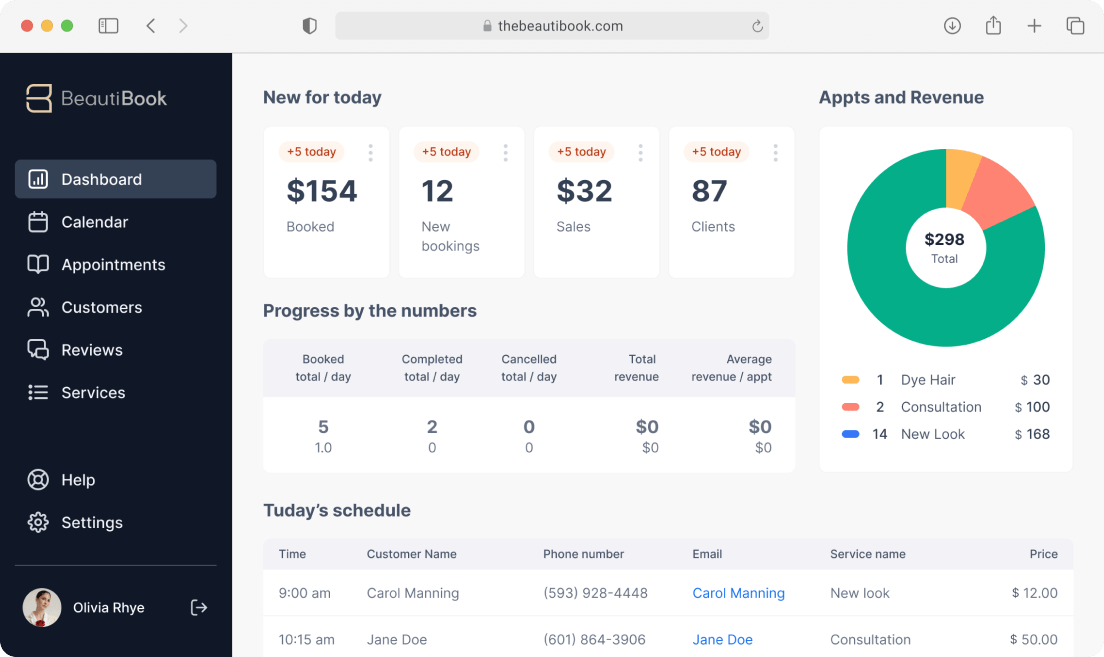
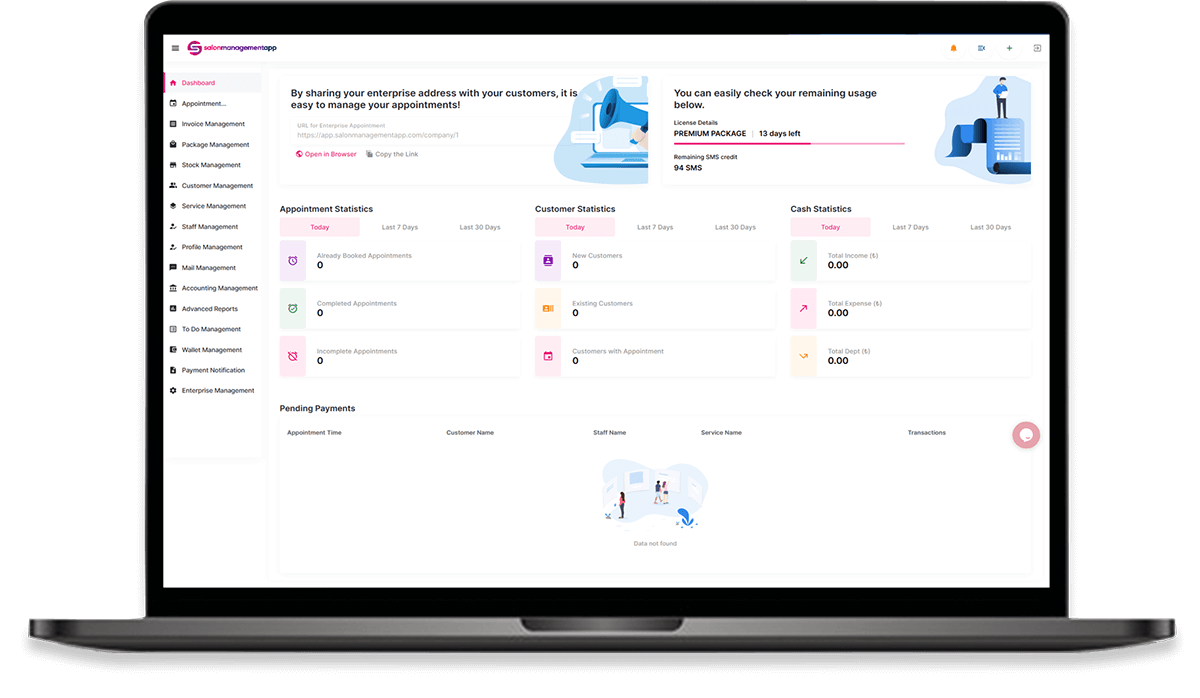
Salon software is a digital management system specifically built for beauty and wellness businesses. It integrates multiple salon operations into one platform, allowing owners and staff to manage bookings, payments, customer records, and marketing activities from a single dashboard.
Instead of using manual booking books or spreadsheets, salon software automates tasks and stores data securely in the cloud.
Common businesses that use salon software include:
-
Hair salons
-
Barbershops
-
Nail salons
-
Beauty clinics
-
Massage spas
-
Wellness centers
With the right salon software, businesses can reduce administrative work and focus more on customer experience.
Key Features of Salon Software
1. Appointment Scheduling
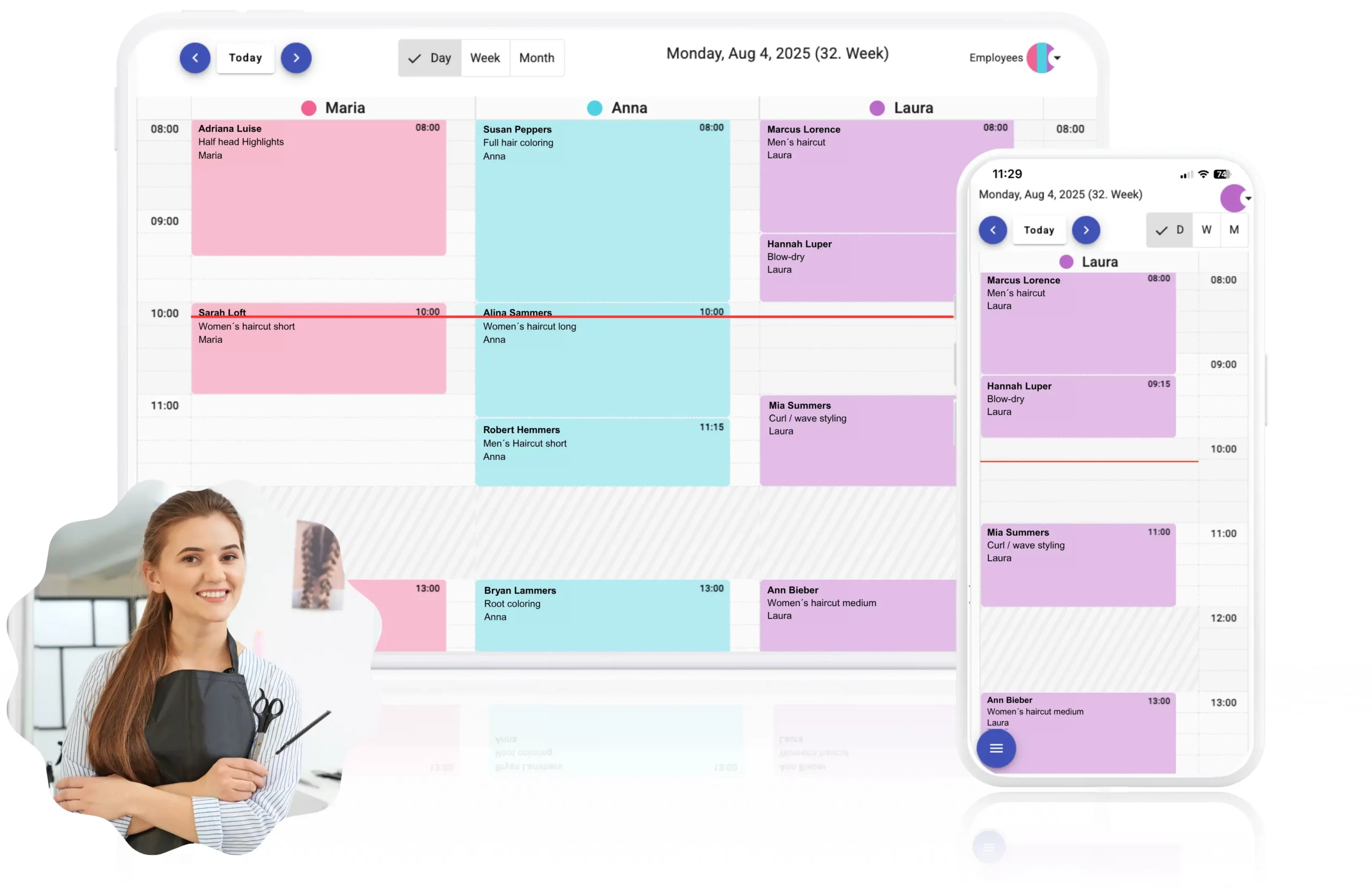
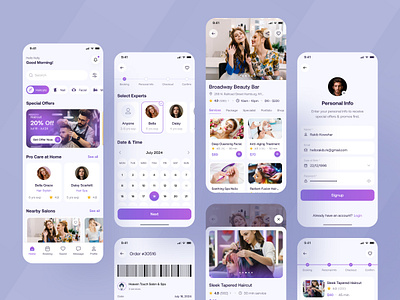
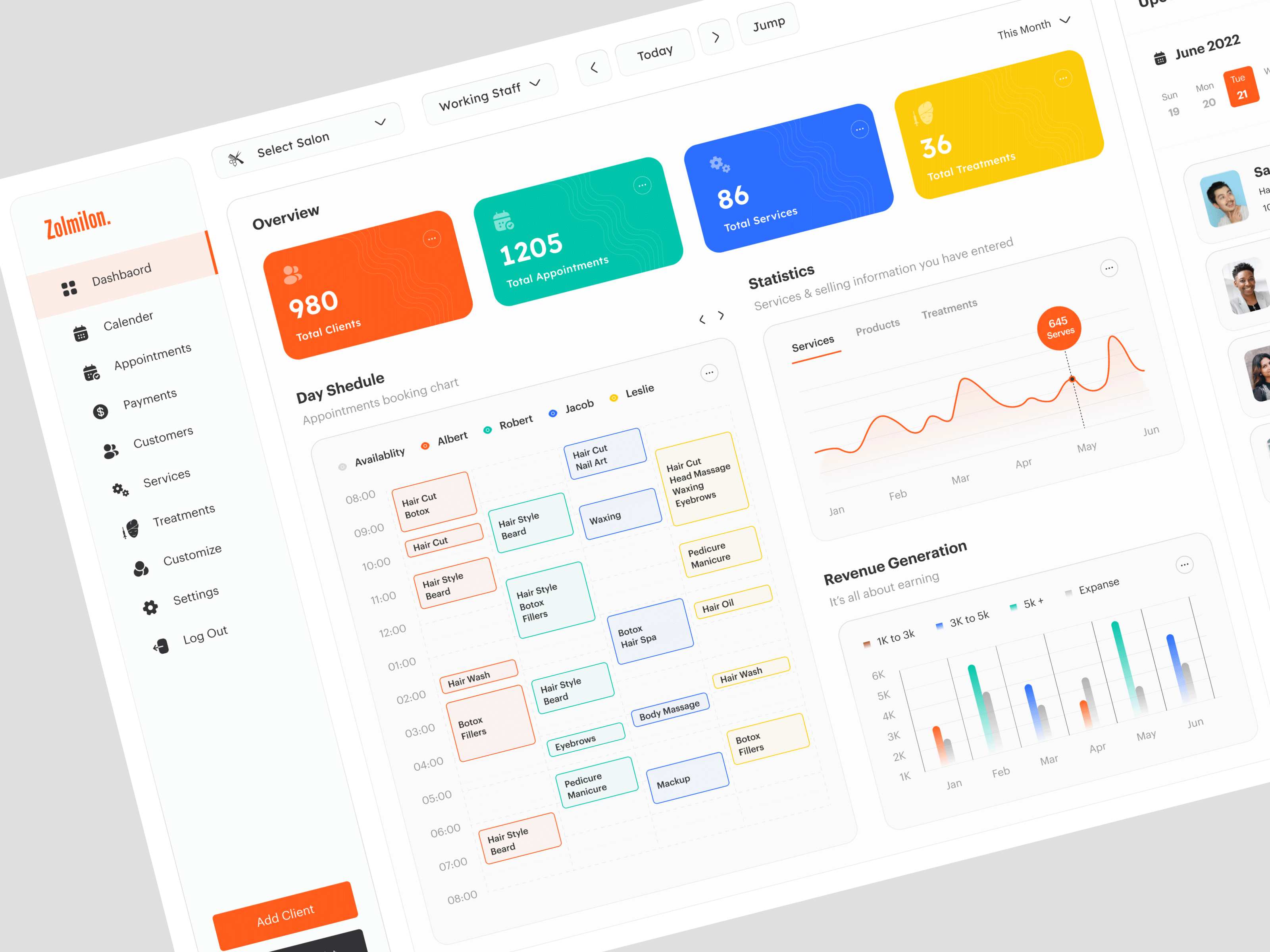
One of the most important features of salon software is appointment scheduling.
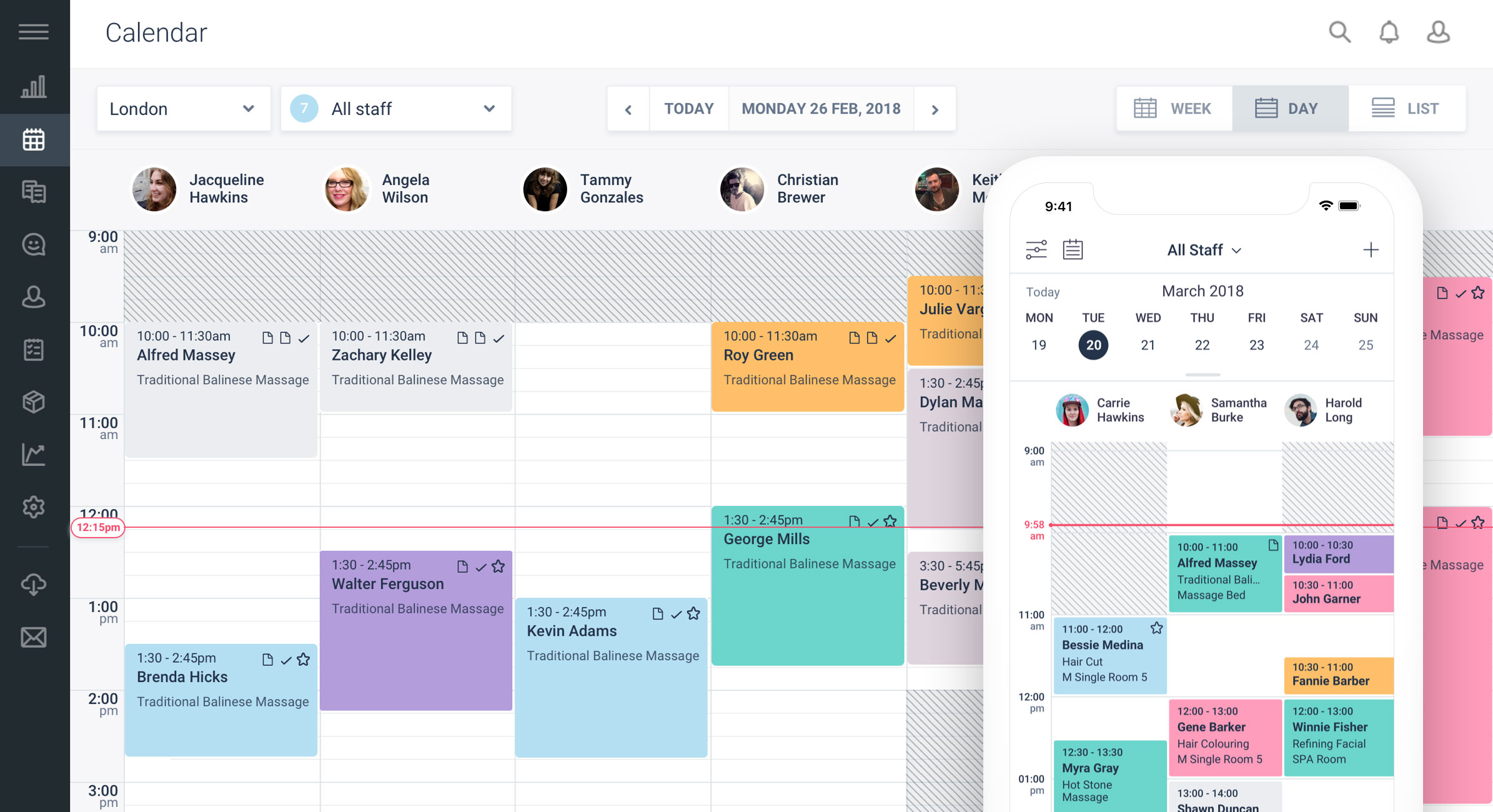
This feature allows clients to book services online while enabling salon staff to manage bookings efficiently.
Benefits include:
-
Online booking 24/7
-
Automated appointment reminders
-
Reduced double bookings
-
Real-time availability updates
-
Calendar management for multiple stylists
Online scheduling improves convenience for customers while reducing administrative workload.
2. Customer Management (CRM)
Salon software stores detailed client information including:
-
Contact details
-
Service history
-
Product preferences
-
Appointment records
-
Notes from stylists
With a built-in Customer Relationship Management (CRM) system, salons can personalize services and strengthen client relationships.
For example, stylists can see previous hairstyles, color formulas, or preferred services before the client arrives.
3. Point of Sale (POS) Integration



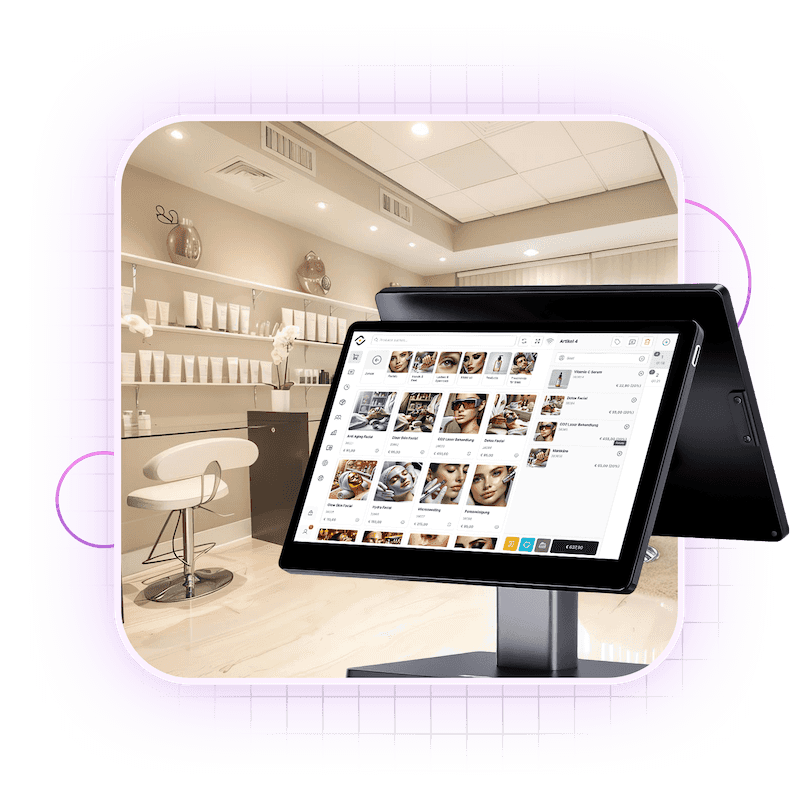
Salon software often includes a Point of Sale (POS) system to process payments.
The POS system helps manage:
-
Service payments
-
Product sales
-
Digital receipts
-
Multiple payment methods
-
Daily sales reports
This ensures smooth checkout experiences for customers while keeping accurate financial records.
4. Inventory Management
Many salons sell retail products such as shampoos, conditioners, styling gels, and skincare products.
Salon software helps track:
-
Stock levels
-
Product sales
-
Supplier information
-
Reorder alerts
Inventory tracking prevents stock shortages and reduces product wastage.
5. Staff Management
Salon software simplifies staff management by providing tools to track:
-
Work schedules
-
Commission calculations
-
Staff performance
-
Payroll reports
Managers can monitor employee productivity and ensure fair commission payments based on services performed.
6. Marketing and Customer Retention
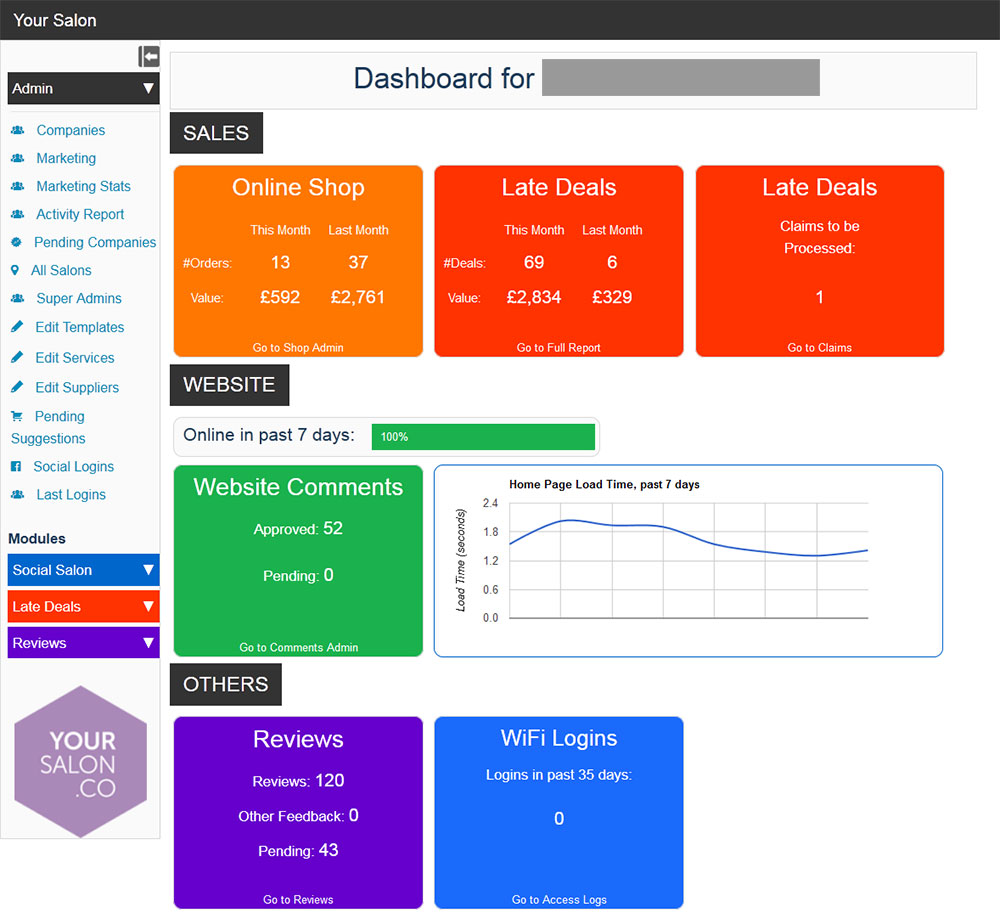

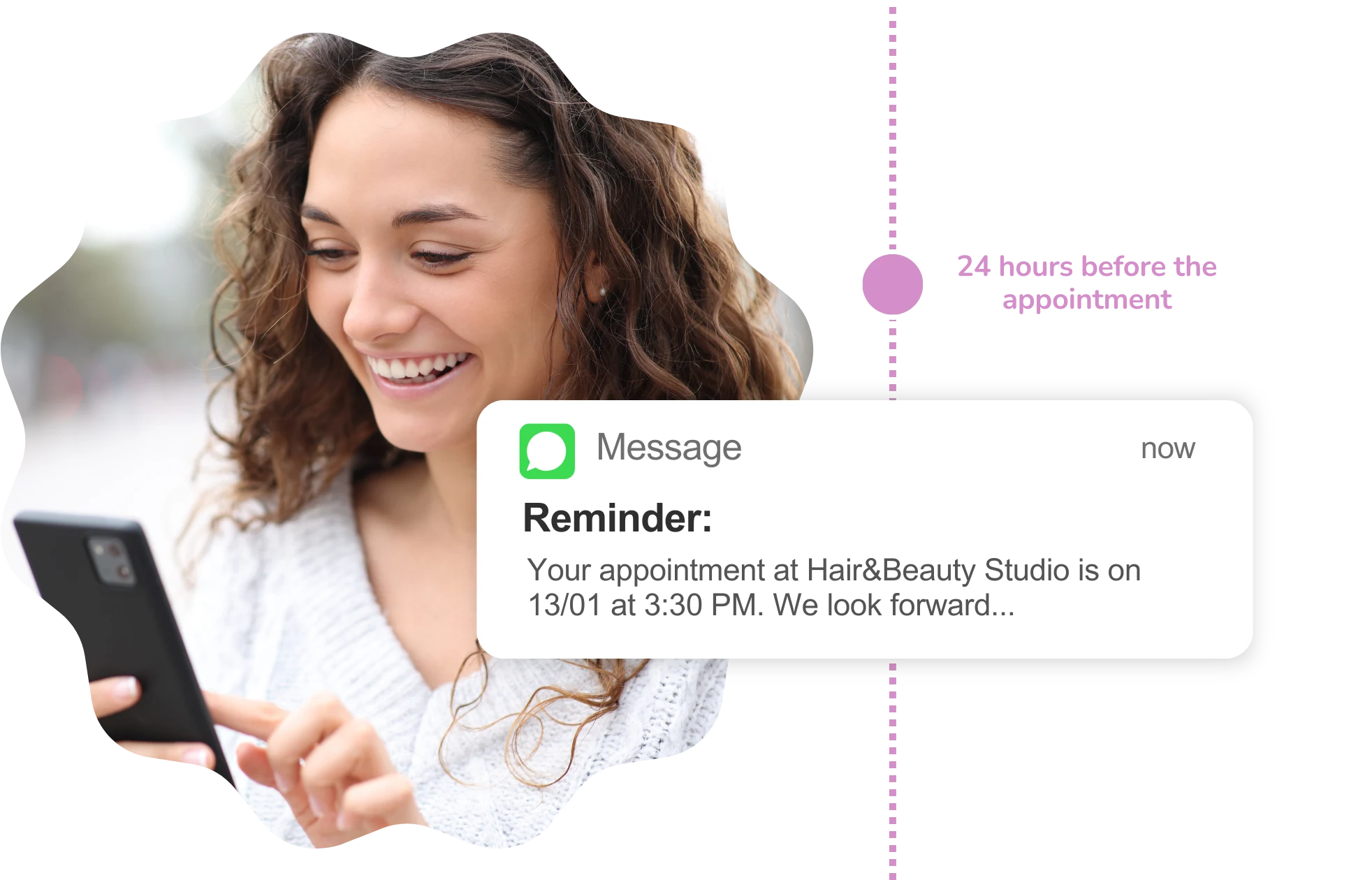
Customer retention is crucial for salon success. Salon software often includes built-in marketing tools such as:
-
SMS appointment reminders
-
Email promotions
-
Loyalty programs
-
Discount campaigns
-
Birthday offers
These features help salons maintain strong relationships with clients and encourage repeat visits.
Benefits of Using Salon Software
1. Improved Efficiency
Manual appointment books and paper records can slow down operations.
Salon software automates many tasks, allowing staff to focus on providing better service rather than handling paperwork.
2. Better Customer Experience
Customers enjoy convenient features such as:
-
Online booking
-
Automated reminders
-
Faster checkout
-
Personalized services
This leads to higher customer satisfaction and loyalty.
3. Increased Revenue
Salon software can help increase revenue by:
-
Reducing missed appointments
-
Promoting additional services
-
Managing retail product sales
-
Offering targeted promotions
4. Accurate Business Insights
Salon software provides real-time reports including:
-
Sales performance
-
Appointment statistics
-
Staff productivity
-
Customer retention
These insights help salon owners make better business decisions.
5. Reduced No-Shows
Missed appointments can cost salons significant revenue.
Automated reminders via SMS or email help ensure clients remember their appointments, reducing no-shows.
Cloud-Based Salon Software
Modern salon software is often cloud-based, meaning it runs online rather than on a single computer.
Advantages of cloud systems include:
-
Access from anywhere
-
Automatic updates
-
Secure data storage
-
Multi-location management
Salon owners can monitor their business even when they are away from the salon.
How to Choose the Best Salon Software
When selecting salon software, consider the following factors:
1. Ease of Use
The system should be simple and intuitive for both staff and customers.
2. Mobile Compatibility
Mobile-friendly platforms allow managers and stylists to access the system from smartphones or tablets.
3. Integration Capabilities
Look for software that integrates with payment systems, accounting tools, and marketing platforms.
4. Customization Options
Every salon has unique needs. Good salon software allows customization of services, pricing, and booking rules.
5. Customer Support
Reliable customer support ensures you can resolve technical issues quickly.
Who Needs Salon Software?
Salon software is useful for businesses of all sizes.
Small Salons
Helps manage appointments and customer records efficiently.
Growing Salons
Supports staff scheduling, inventory tracking, and sales reporting.
Multi-Location Salons
Centralizes operations across multiple branches.
Even freelance stylists and mobile beauty professionals can benefit from salon management systems.
The Future of Salon Software

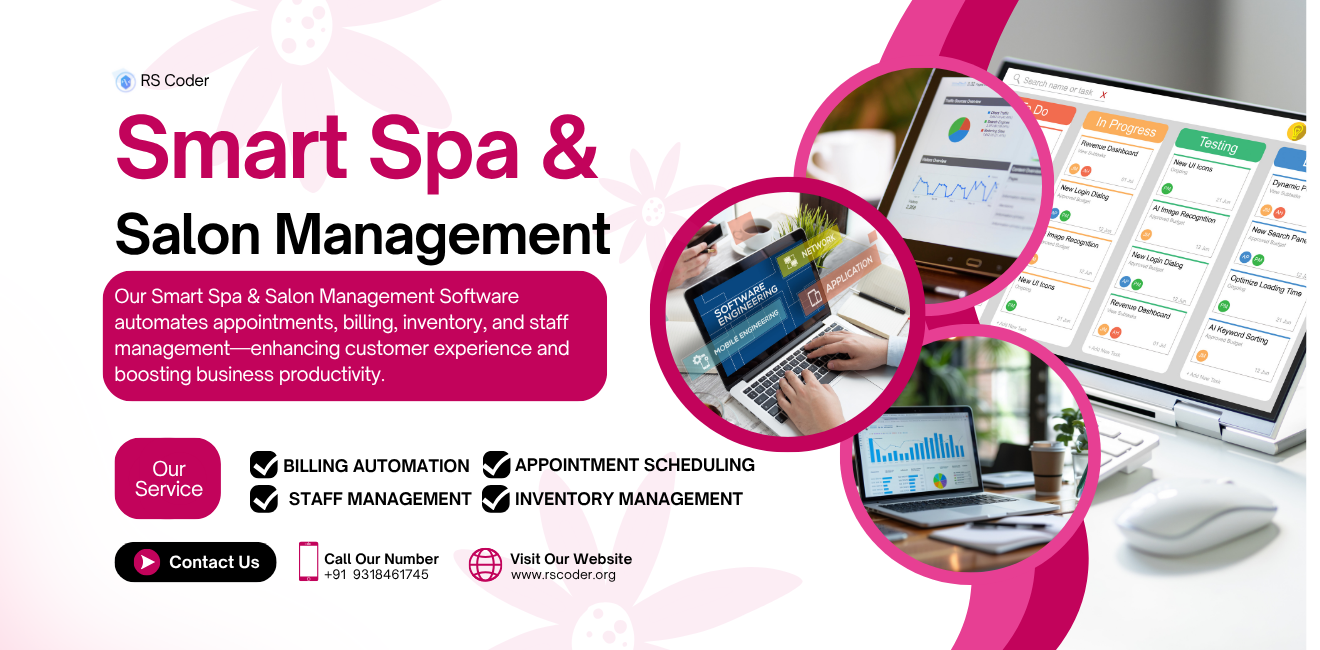

Salon software continues to evolve with new technologies such as:
-
Artificial intelligence for business insights
-
Advanced analytics for customer behavior
-
Automated marketing campaigns
-
Mobile-first management tools
These innovations will help beauty businesses operate smarter and deliver better customer experiences.
Conclusion
In today’s competitive beauty industry, using salon software is no longer optional—it is a necessity. From appointment scheduling and POS systems to marketing automation and inventory management, salon software simplifies daily operations and improves business performance.
By investing in the right salon management system, salon owners can save time, increase revenue, enhance customer satisfaction, and gain valuable insights into their business.
Leave a Reply