Introduction
Running a successful salon requires more than just providing excellent beauty services. Today’s salon owners must manage appointments, track client information, handle payments, monitor inventory, and coordinate staff schedules—all while delivering a great customer experience. This is where salon management software becomes essential.
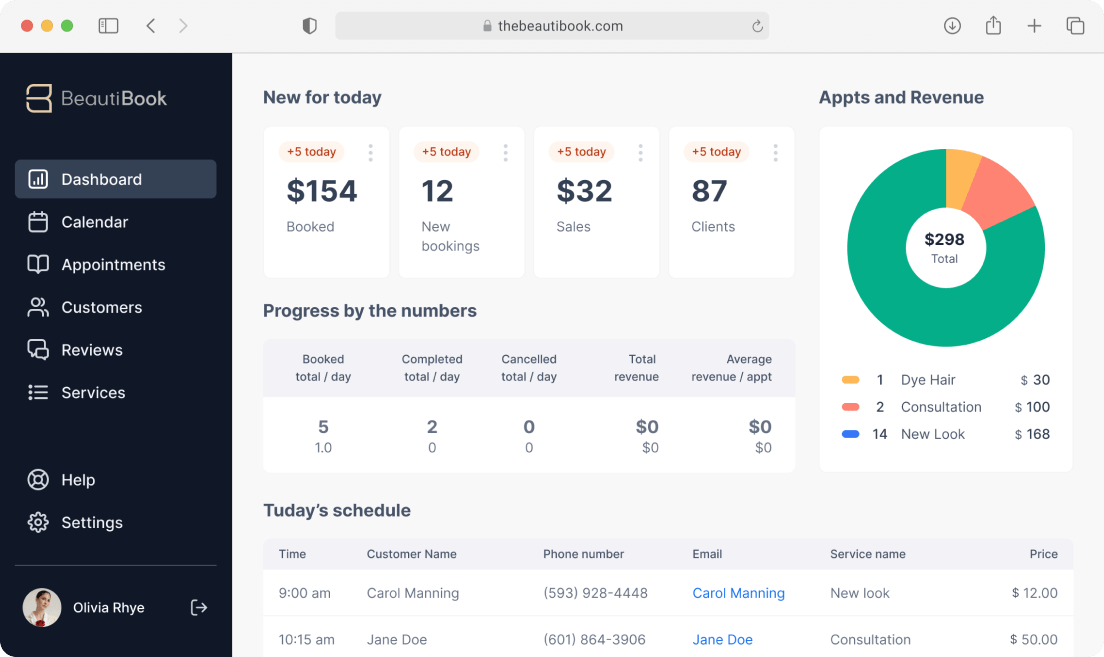
Salon management software is a digital platform designed to help beauty salons, spas, barbershops, and wellness centers streamline their daily operations. From booking appointments to managing customer databases and generating financial reports, this technology simplifies complex business tasks.
With increasing competition in the beauty industry, adopting salon software can help salon owners improve efficiency, increase revenue, and enhance customer satisfaction.
What Is Salon Management Software?
Salon management software is a specialized digital solution designed to automate and simplify salon operations. It integrates multiple functions into one platform, allowing salon owners and managers to control all aspects of their business.
These systems typically include features such as:
-
Appointment scheduling
-
Client management
-
Staff scheduling
-
Inventory tracking
-
Billing and payment processing
-
Marketing tools
-
Sales reporting and analytics
By centralizing these tasks, salon software reduces manual work and helps businesses operate more efficiently.
Why Salons Need Salon Management Software
The beauty industry is rapidly evolving, and customers expect convenience, speed, and personalized services. Traditional manual management methods can lead to scheduling conflicts, lost customer data, and inefficient operations.
Here are some key reasons salons are adopting salon management software.
1. Efficient Appointment Scheduling
Appointment management is one of the most critical aspects of running a salon. Salon software allows clients to book appointments online while enabling staff to manage schedules easily.
Benefits include:
-
Real-time appointment updates
-
Automatic reminders for clients
-
Reduced no-shows
-
Online booking options
This ensures that salon schedules remain organized and optimized.
2. Improved Client Management
Salon software helps maintain a detailed database of customers, including their contact details, service history, and preferences.
This allows salons to:
-
Offer personalized services
-
Track customer visits
-
Recommend services based on history
-
Build stronger customer relationships
Better client management leads to increased customer loyalty.
3. Staff Management and Scheduling
Managing multiple employees can be challenging for salon owners. Salon management software simplifies staff coordination by allowing managers to assign shifts, track performance, and monitor productivity.
Key advantages include:
-
Automated staff scheduling
-
Performance tracking
-
Commission management
-
Payroll support
This ensures staff productivity and smooth salon operations.
4. Seamless Payment Processing
Modern salons require flexible payment options. Salon software supports multiple payment methods including:
-
Cash payments
-
Card payments
-
Mobile money payments
-
Digital wallets
Automated billing and invoicing reduce errors and improve financial accuracy.
5. Inventory Management
Salons often sell beauty products such as shampoos, conditioners, skincare items, and styling tools. Managing inventory manually can lead to stock shortages or overstocking.
Salon software helps by:
-
Tracking product stock levels
-
Monitoring product sales
-
Generating low-stock alerts
-
Managing supplier orders
This ensures that essential products are always available.
Features of the Best Salon Management Software
Not all salon software solutions are the same. The best systems provide comprehensive features that support business growth.
Online Appointment Booking
Clients can schedule appointments anytime using a website or mobile app. This improves convenience and increases bookings.
Customer Relationship Management (CRM)
A built-in CRM system helps salons manage customer information and create personalized experiences.
Automated Reminders
SMS or email reminders help reduce missed appointments and improve client attendance.
Sales and Financial Reports
Salon owners can generate detailed reports to analyze business performance, revenue trends, and service popularity.
Marketing Tools
Some salon management platforms include marketing tools such as:
-
Email campaigns
-
SMS promotions
-
Loyalty programs
-
Discount management
These tools help salons attract and retain customers.
Benefits of Using Salon Management Software
Implementing salon management software offers several advantages that directly impact business performance.
Increased Efficiency
Automation eliminates repetitive tasks such as appointment scheduling and billing. Staff can focus more on providing quality services.
Better Customer Experience
Clients appreciate easy online bookings, appointment reminders, and personalized services.
Improved Business Insights
Advanced reporting tools provide insights into revenue, customer trends, and service demand.
Reduced Operational Errors
Manual systems often lead to errors. Digital platforms improve accuracy in scheduling, billing, and inventory tracking.
Business Growth
Salon software helps businesses scale by supporting multiple branches, managing more clients, and improving operational efficiency.
How Salon Management Software Improves Customer Experience
Customer satisfaction is the foundation of any successful salon business. Salon software helps enhance customer experience in several ways.
Personalized Services
With detailed client records, salons can tailor services to individual preferences.
Faster Service Delivery
Automated systems reduce waiting times and improve overall efficiency.
Convenient Booking
Online booking allows clients to schedule appointments anytime without calling the salon.
Loyalty Programs
Some salon systems include loyalty programs that reward repeat customers with discounts or points.
Choosing the Right Salon Management Software
Selecting the right software is essential for maximizing business benefits. Salon owners should consider the following factors.
Ease of Use
The software should have an intuitive interface that staff can learn quickly.
Customization Options
Every salon has unique needs, so the system should allow customization of services, pricing, and workflows.
Cloud-Based Access
Cloud-based salon software allows owners to manage operations from anywhere using a computer or mobile device.
Integration Capabilities
The software should integrate with payment systems, marketing tools, and accounting platforms.
Customer Support
Reliable technical support ensures smooth system operation and quick issue resolution.
Salon Management Software for Small and Large Salons
Salon software solutions cater to businesses of different sizes.
Small Salons
Small salons benefit from basic features such as:
-
Appointment scheduling
-
Client management
-
Billing
-
Basic reporting
Large Salons and Chains
Larger salons require advanced capabilities like:
-
Multi-location management
-
Advanced analytics
-
Staff commission tracking
-
Marketing automation
Choosing the right plan ensures that the software meets the salon’s needs.
Future Trends in Salon Management Software
The beauty industry is increasingly embracing digital technology. Future trends in salon management software include:
Artificial Intelligence
AI-powered systems will analyze customer preferences and recommend services automatically.
Mobile App Integration
Many salon platforms are introducing dedicated mobile apps for both staff and clients.
Contactless Payments
Digital and contactless payments are becoming more common in salons.
Data-Driven Marketing
Advanced analytics will allow salons to create targeted marketing campaigns.
How Salon Management Software Increases Revenue
One of the biggest advantages of salon software is its ability to increase revenue.
It helps by:
-
Reducing missed appointments
-
Encouraging repeat bookings
-
Promoting additional services
-
Improving product sales tracking
-
Offering targeted promotions
These features help salons maximize profitability.
Common Challenges Without Salon Management Software
Salons that rely on manual systems often face several operational challenges.
These include:
-
Double bookings
-
Lost client records
-
Poor inventory management
-
Inaccurate financial reporting
-
Inefficient staff coordination
Salon management software eliminates these issues by automating daily operations.
Best Practices for Implementing Salon Management Software
To ensure successful adoption, salons should follow these best practices.
-
Train staff on how to use the system.
-
Import existing client data into the software.
-
Set up automated appointment reminders.
-
Integrate payment systems.
-
Regularly analyze business reports.
Proper implementation ensures that the salon fully benefits from the software.
Conclusion
In the modern beauty industry, salon management software is no longer a luxury—it is a necessity. With increasing customer expectations and competitive market conditions, salons need efficient digital tools to manage their operations.
From appointment scheduling and client management to staff coordination and financial reporting, salon software provides a complete solution for salon businesses.
By investing in the right salon management system, salon owners can improve efficiency, enhance customer experiences, and drive long-term business growth.
Leave a Reply